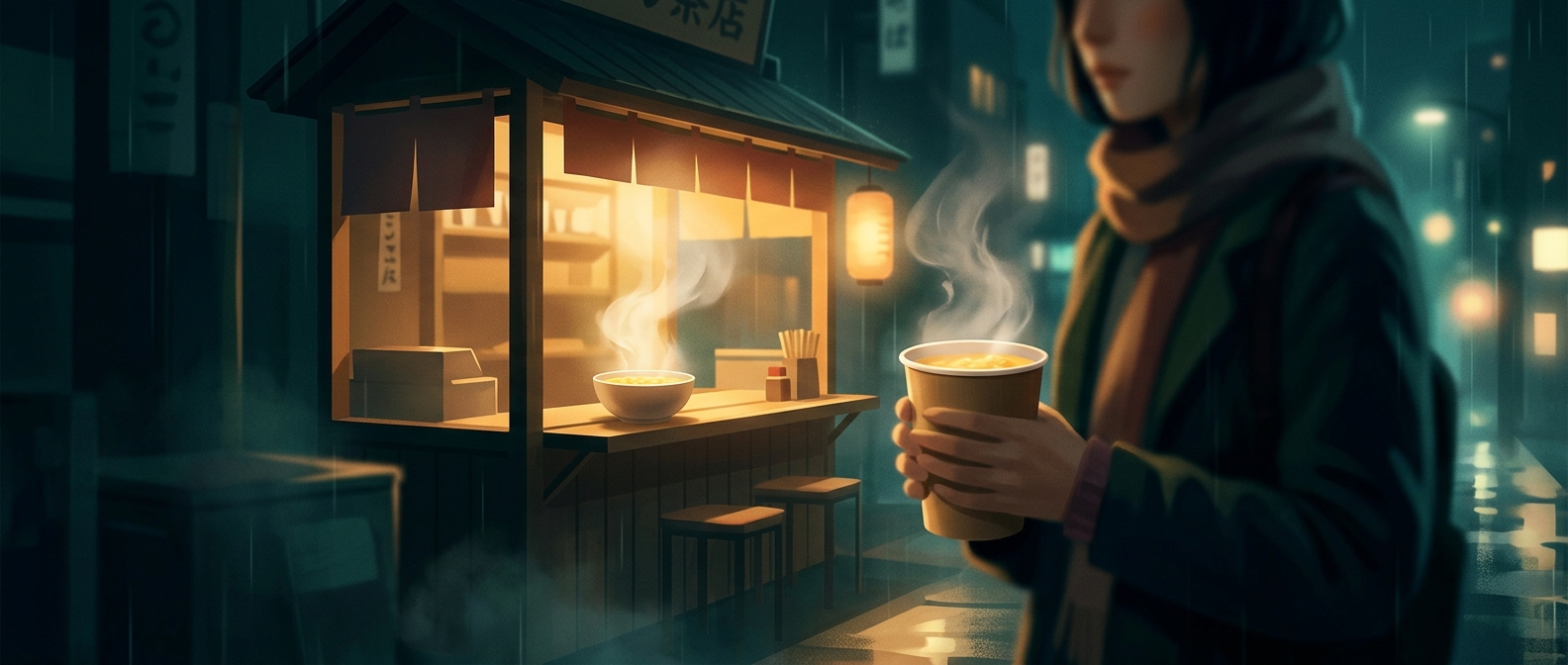
Why Japan’s contrasts meet on the same street
The sense of “two worlds” often comes from distance measured in blocks, not centuries. In dense Japanese cities, rail stations, shops, offices, homes, and religious sites can occupy neighboring plots. A shrine may sit behind a gate on a small patch of greenery while traffic and buildings continue around it. Its quiet is partly a matter of boundaries: the gate marks a change of space, even when the surrounding city remains audible.
That proximity is shaped by how cities grow. Development does not erase every older site; roads and buildings are added around places that remain in use. Shrines and Buddhist temples are distinct traditions and institutions, but both can be encountered within ordinary neighborhoods rather than only in isolated historic districts. Their presence makes the past visible amid everyday routines.
Speed depends on a larger network
A bullet train is not simply a fast vehicle passing through a city. The Shinkansen runs on dedicated tracks, while local railways and urban transit connect passengers to stations and destinations. For travelers, the result can feel abrupt: a long-distance trip moves quickly, then the next leg unfolds on a crowded platform or a walk through busy streets. The contrast is produced by different layers of the transport system working together.
Convenience stores fit into that same daily network. Their ready-to-eat meals are useful not just because they are available late or close by, but because they turn food into an easy stop between trains, work, and home. Prepared foods are stocked for quick purchase, giving travelers an accessible option without requiring a restaurant visit. A meal from a small shop can therefore feel surprisingly substantial: it is designed to serve an everyday need, not to imitate a grand dining experience.
A change of pace, only steps away
The memorable shift is often physical and immediate: leave a bright commercial street, pass through a shrine gate, and find yourself in a quieter enclosure. Japan’s urban contrasts are not separate attractions arranged for a visitor. They are neighboring parts of places where people commute, shop, worship, and live.