Why a Restaurant Tip Can Catch Everyone Off Guard in Japan
In Japan, restaurant service is generally treated as part of the meal, not as an extra that customers are expected to reward with cash. The bill normally states what is owed, and leaving more can look less like a compliment than a payment mistake: perhaps the customer has forgotten their change or has paid too much.
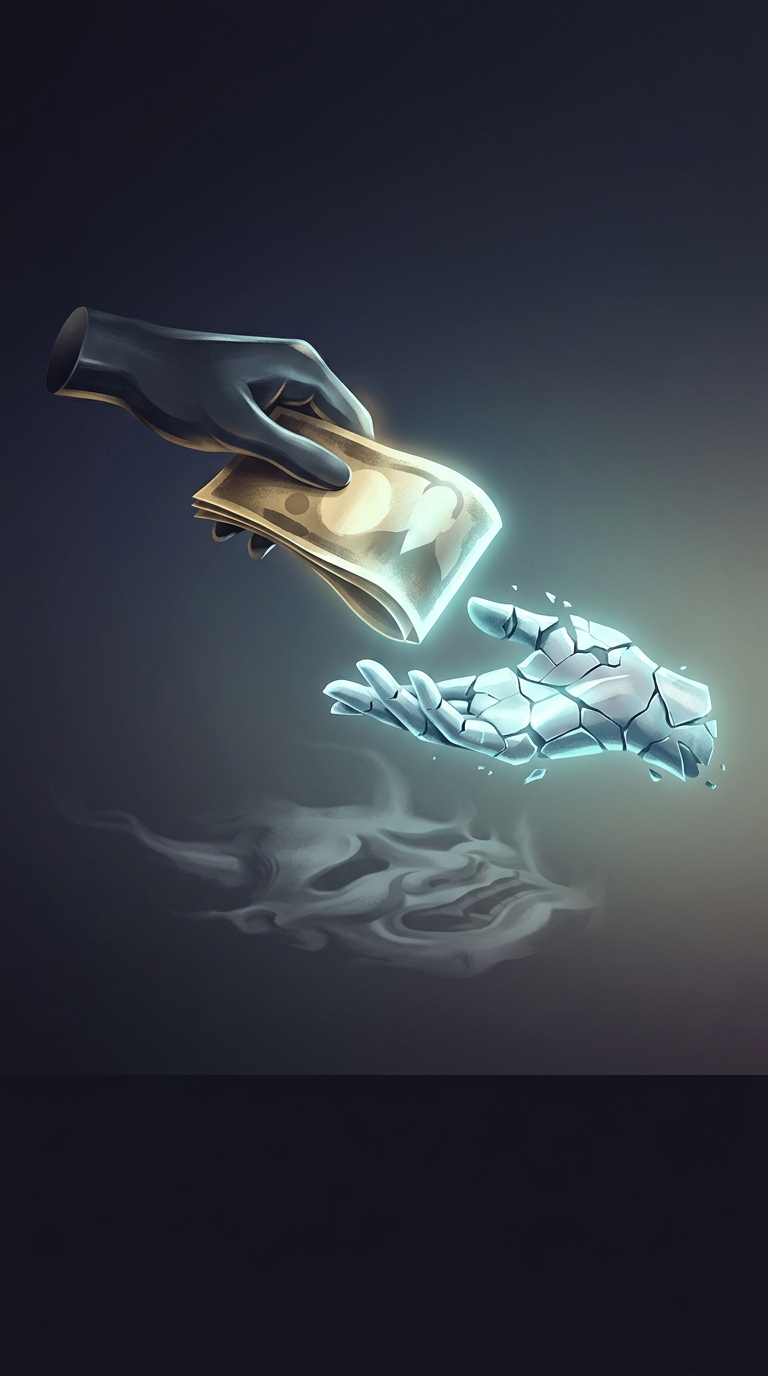
That difference in expectation creates the awkward moment. A server may try to return the money, sometimes following a departing customer to make sure it gets back to them. The visitor, meanwhile, may be trying to show gratitude and may not understand why the staff are refusing it. What was meant as a generous gesture can turn into an unwanted negotiation.
A Clear Thank-You Is Usually Better
The point is not that Japanese restaurant workers dislike appreciation. Rather, appreciation is not ordinarily expressed through an unsolicited cash tip, and accepting one can be outside the normal interaction. A sincere “thank you” is less likely to confuse anyone; so is paying the amount shown on the bill and leaving without extra cash.
Practices can vary at places catering specifically to international visitors, and a clearly stated service charge is different from a tip. But at an ordinary restaurant, the smoothest way to show gratitude is usually to follow the bill, not add to it.