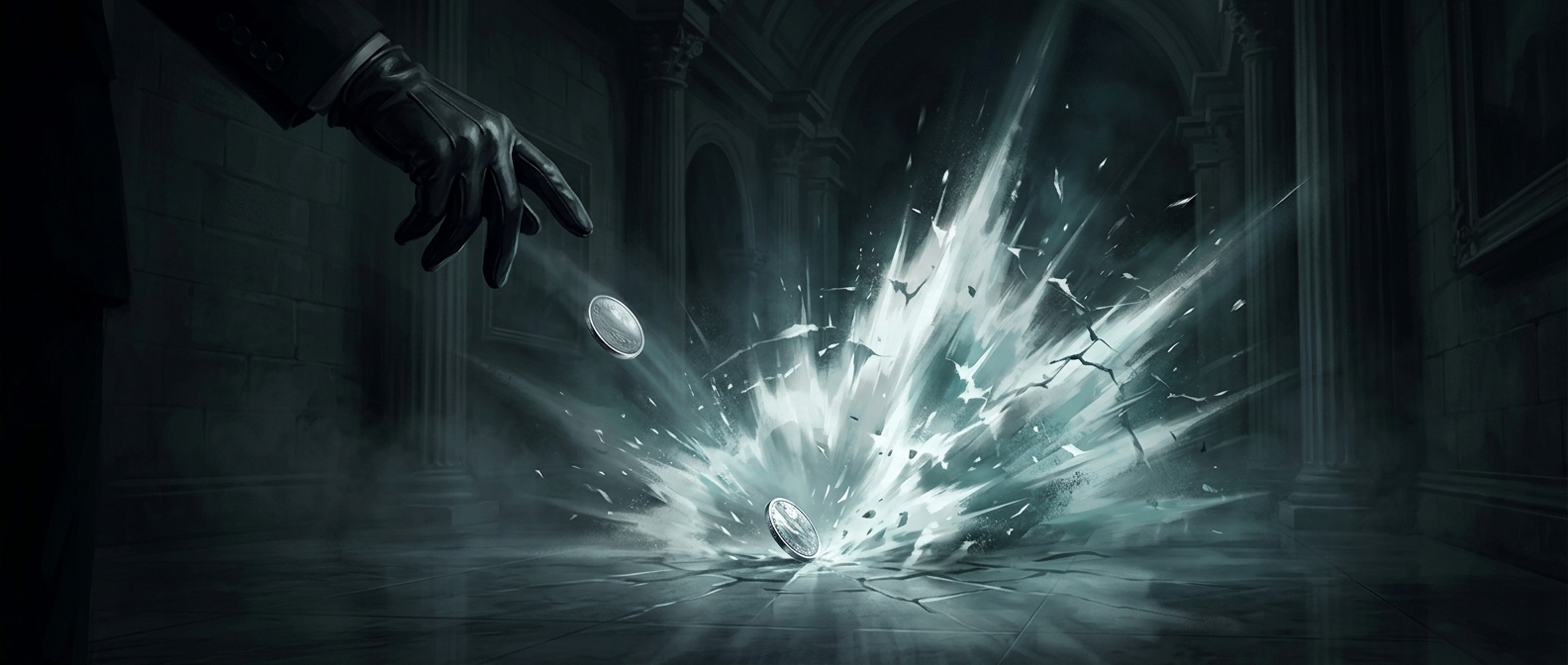
A Tiny Object, a Deliberately Big Signal
A coin is useful in Hitman because it turns sound into a controllable tool. Agent 47 can toss one toward a chosen spot, creating a reason for a guard to leave a post or investigate a hallway. The coin’s value is not its physical realism; it is that the player can place the distraction precisely.
Why the Sound Can Outrank a Gunshot
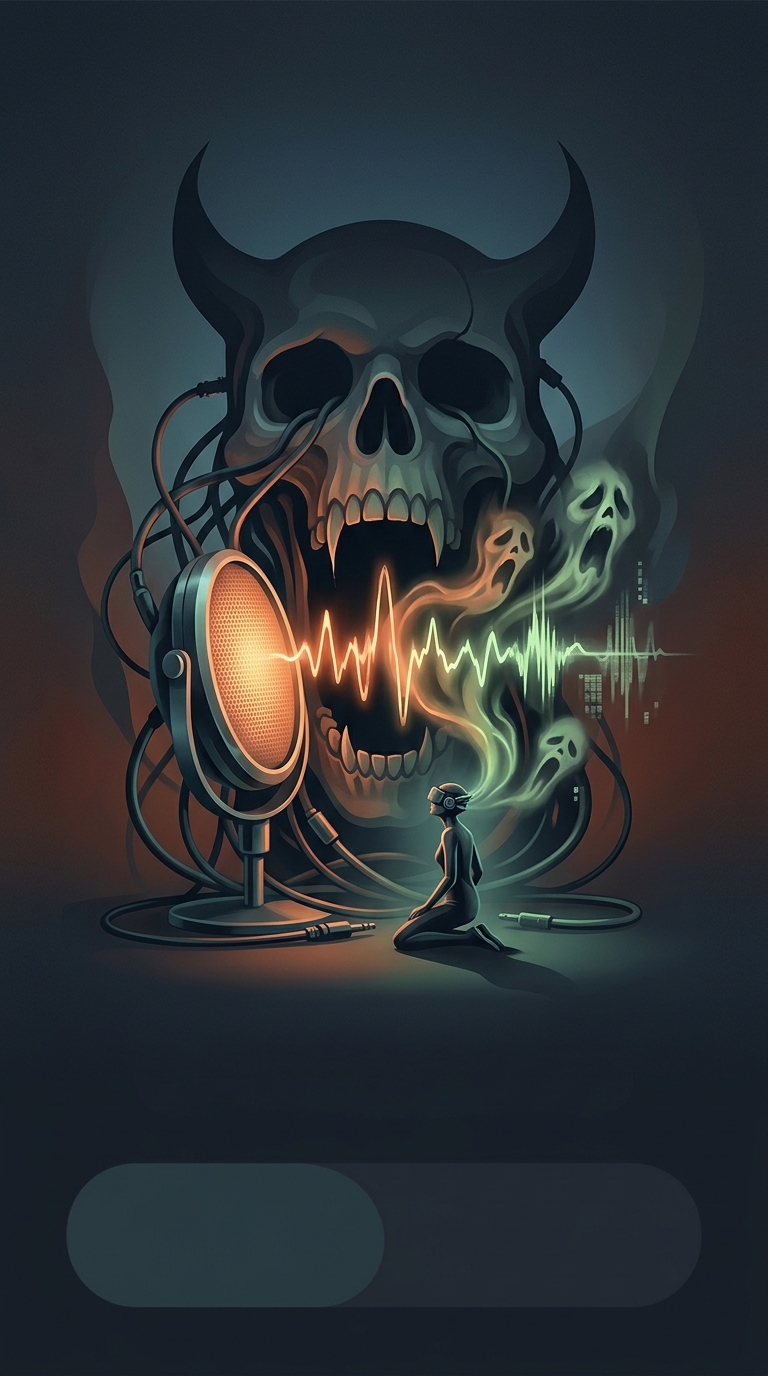
The game treats noises as gameplay signals, not simply as recordings competing for realism. A coin’s clink can be assigned enough in-game reach to register as an invitation to investigate, while a gunshot may trigger a different response—alarm, panic, or a search for danger. Those reactions depend on the situation and the game’s rules, not just on which sound would be loudest in a real room.
“Decibels” here are best understood as a way to describe the game’s sound-strength values, not a literal measurement of a coin in the world. The important design choice is that a small, harmless object can produce a strong, predictable cue for the guards’ hearing system.
The Player Gets to Shape the Scene
That tradeoff makes stealth more legible. A player can create a disturbance, watch who responds, and use the gap left behind—without immediately escalating to violence. If the coin’s cue were too weak or inconsistent, it would be a poor planning tool; if every noise drew everyone, it would be hard to use strategically. Its outsized sound gives the player a way to redirect attention, one guard at a time.