Why a Tiny Exposure Can Break Stealth
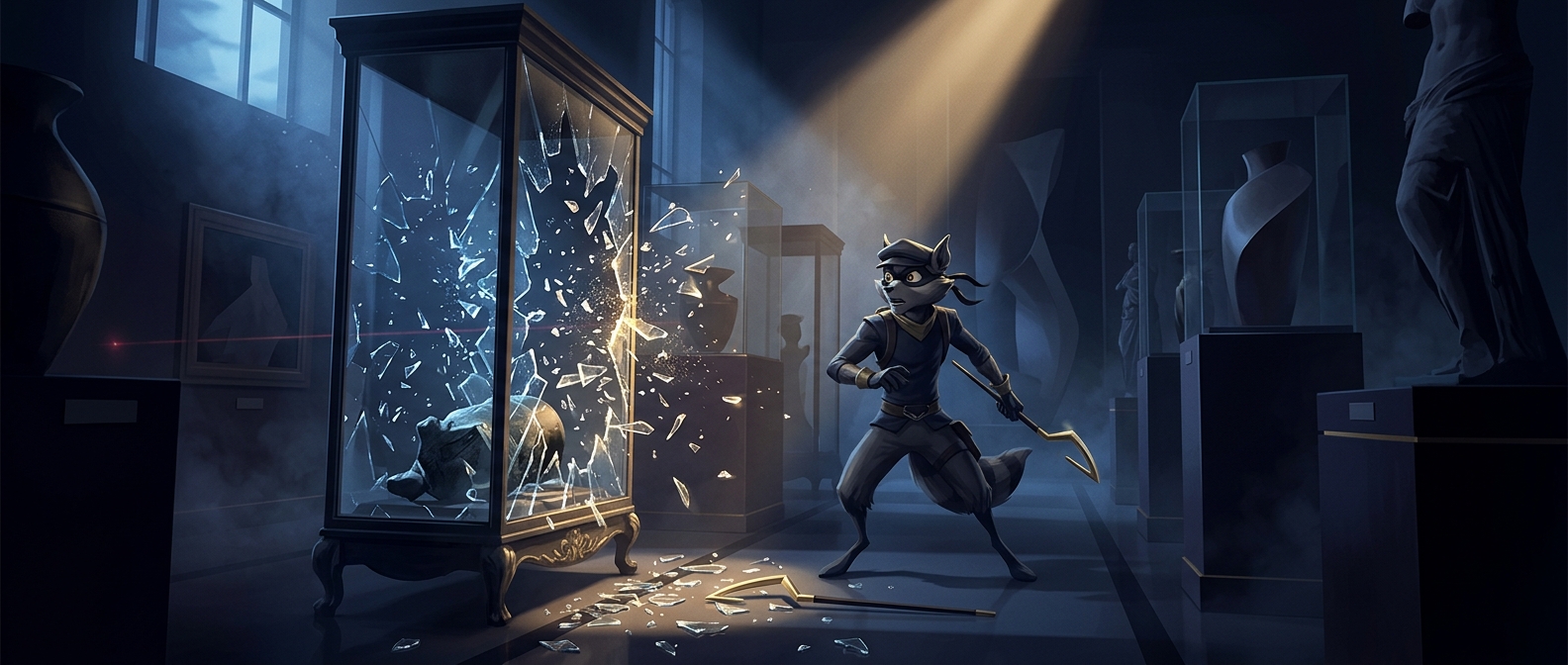
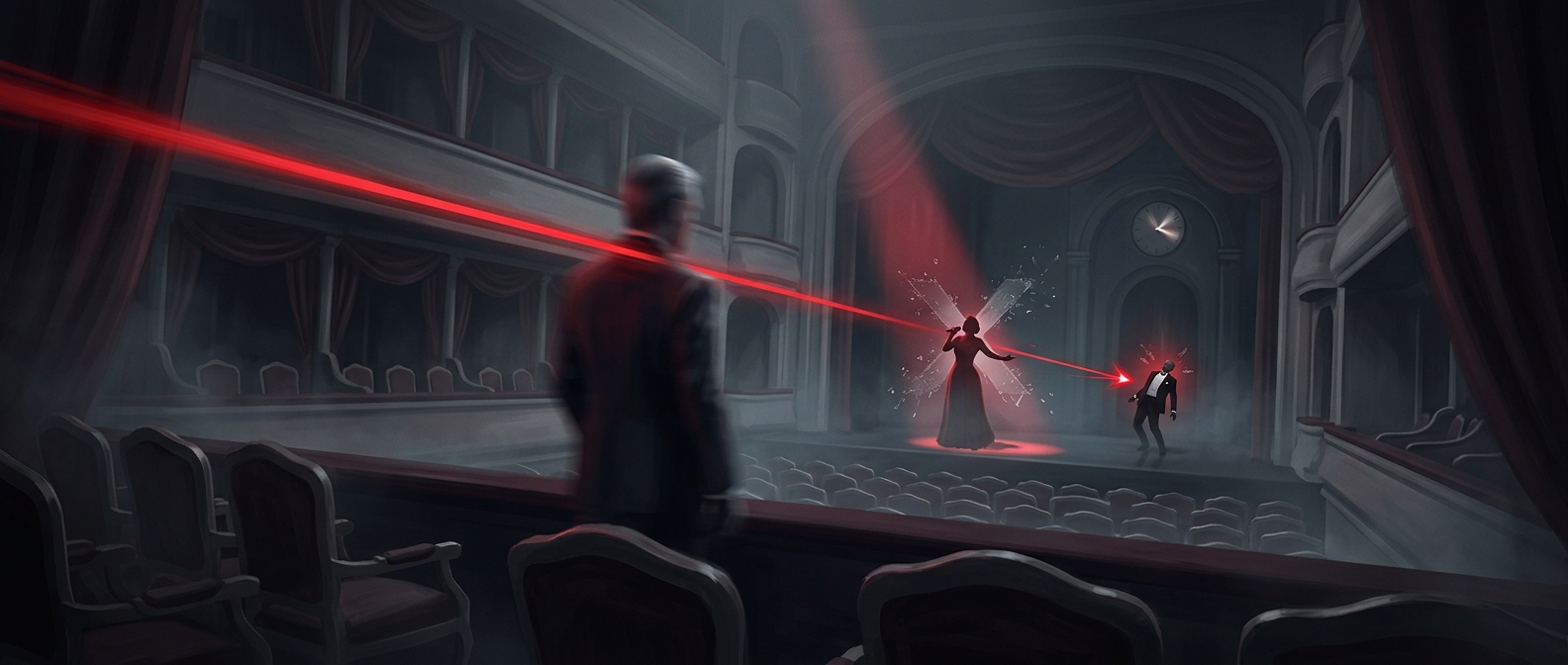
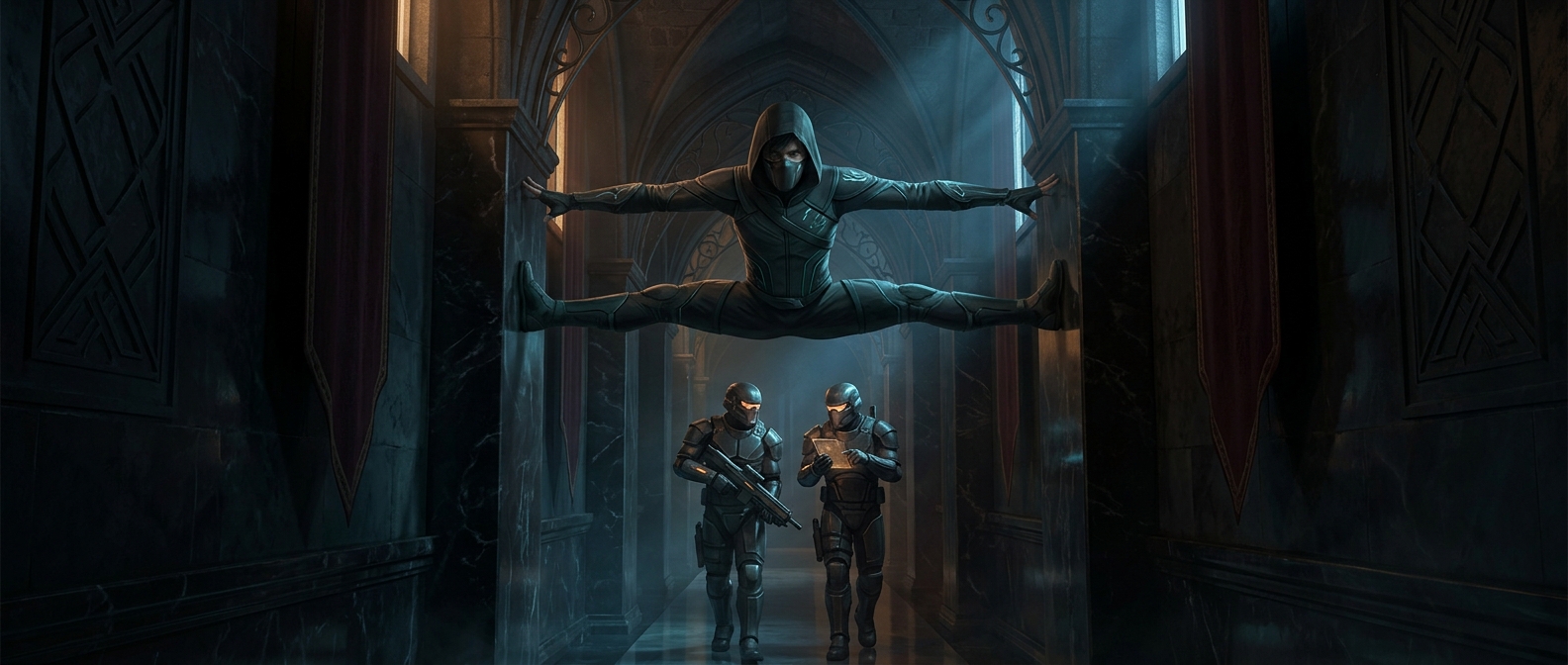
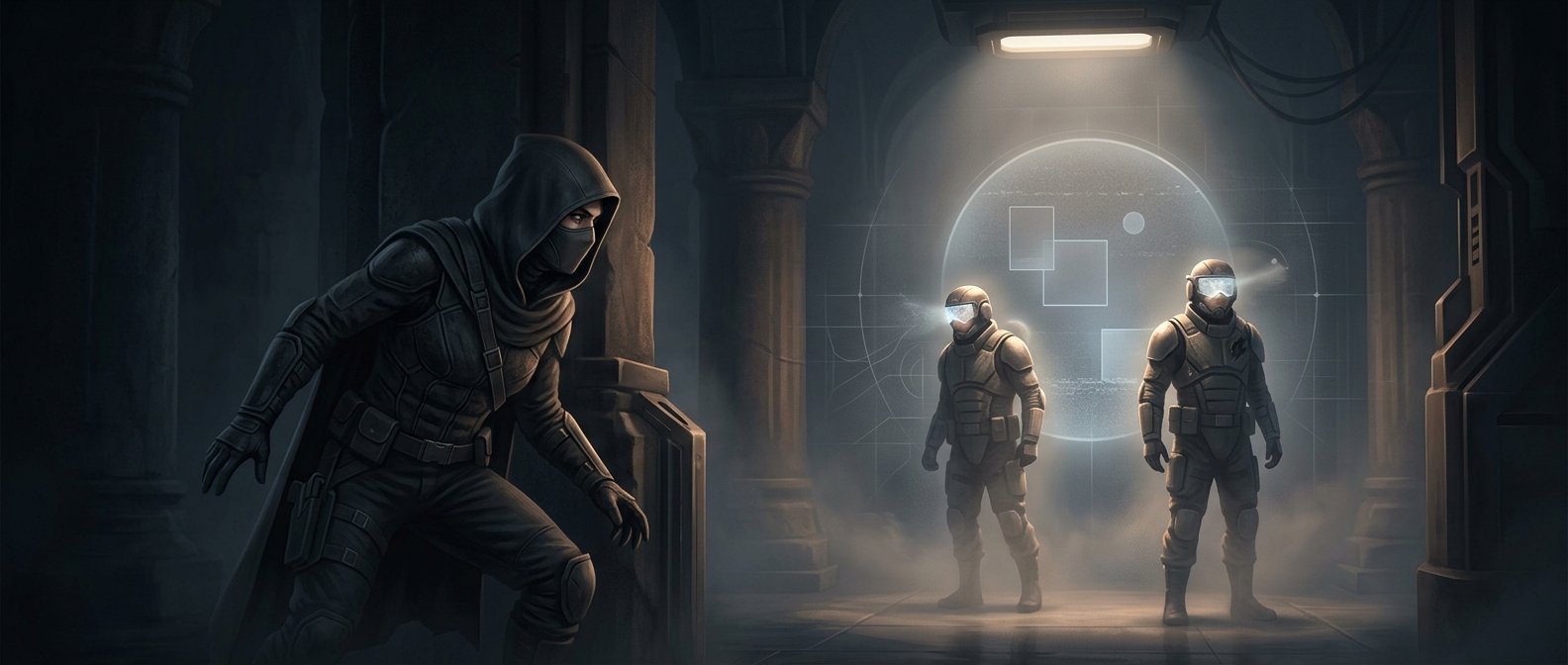
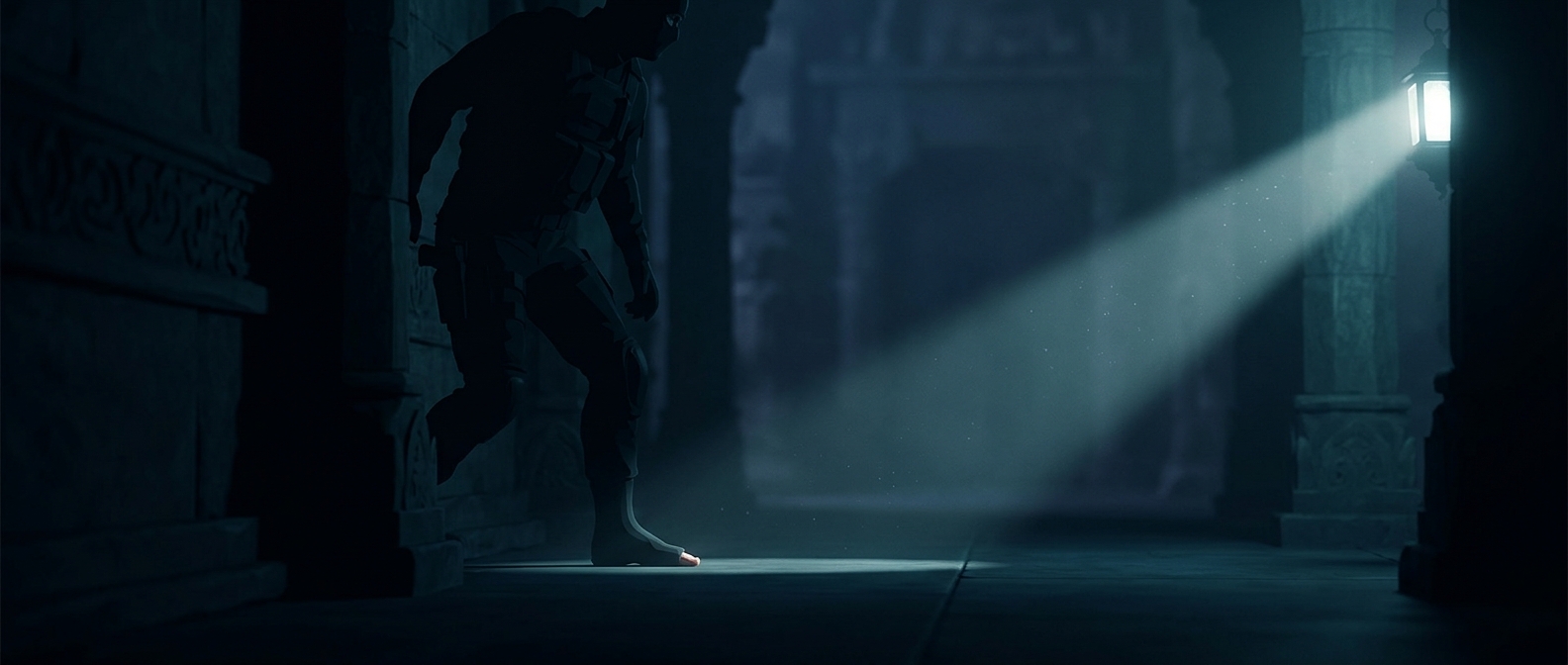
Stealth games often turn hiding into a test of what an enemy can detect, not simply whether the player feels concealed. A character tucked behind a wall may be safe, while a foot that crosses the edge of cover becomes visible to an enemy’s line of sight—the unobstructed path between the enemy and the player. In games that track visibility this way, even a brief glimpse can start a detection response.
That can make a toe feel more consequential than the careful route that led there. The game may be checking the character’s position repeatedly, so a small movement, a camera shift, or an imperfect stop can expose part of the model for just long enough to count.
The Alarm Is Usually a Chain, Not a Switch
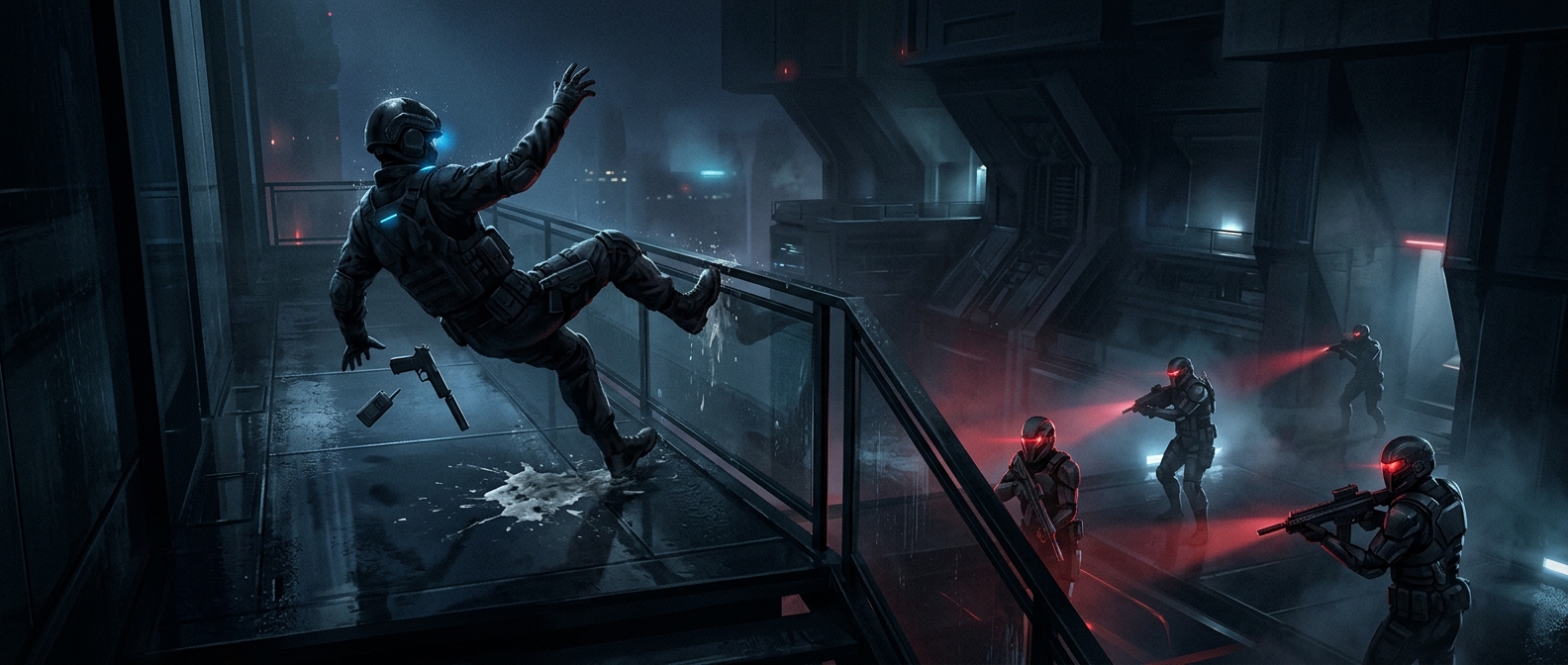
Detection often builds in stages. An enemy may first become suspicious, then investigate, and finally raise an alarm if the player remains exposed or makes another mistake. Sound can feed the same process: a rustle may draw attention toward a hiding place, where a visible foot then confirms that someone is there. The player experiences one sudden failure, but the game may be combining several small signals.
This design creates tension because cover is conditional. Bushes, shadows, and corners are not necessarily safe zones; they are useful only while the player stays within their limits. A sound that seems harmless can also change where an enemy looks, turning a previously safe hiding spot into a risky one.
Why It Can Feel Unfair
The system’s logic may be consistent while its feedback is hard to read. If the game does not clearly show how much of the character is exposed, or how close an enemy is to noticing, a tiny animation can feel like a random punishment. The design challenge is to make danger legible without removing uncertainty: players should be able to learn that a toe beyond cover matters, even if they cannot predict every patrol’s response.