When a Shooter Takes Away Its Main Verb
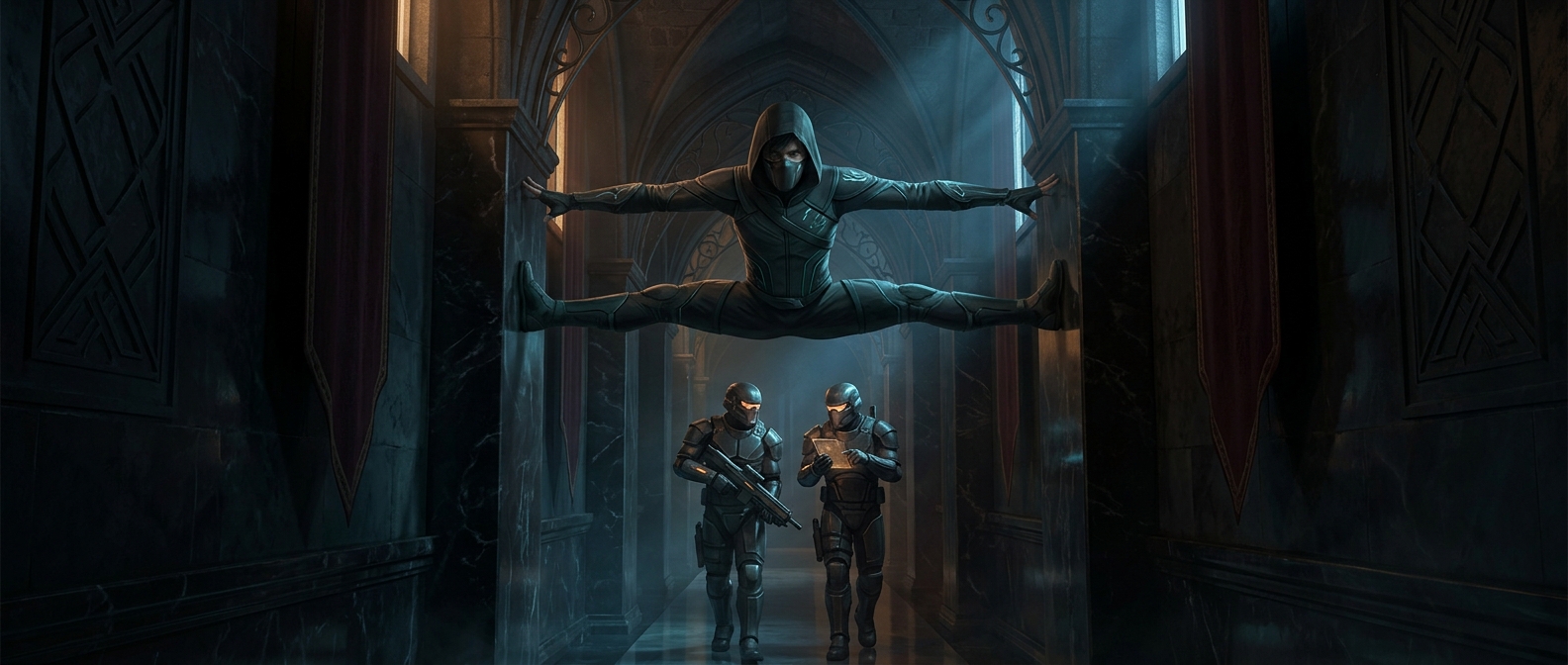
Action games teach players to solve problems by moving, aiming, and firing. A stealth section changes the rules: the same enemies who were targets become alarms to avoid, and the player’s usual tools may be disabled or ineffective. That can create tension—but it also interrupts the habits and expectations the game has spent hours building.
The shift is especially jarring when the game offers little room to adapt. In a strong stealth encounter, players can read patrol routes, use cover, distract guards, or recover from a mistake. If detection instead triggers an instant failure, or if the game funnels everyone through one narrow path, caution becomes a test of patience rather than a tactical choice. The player is no longer improvising with the action game’s systems; they are waiting for permission to continue.
Why the Length Matters
A brief change of pace can make a later firefight feel more intense. A long stretch can drain momentum, because it postpones the payoff that the game’s combat has trained players to anticipate. Repeatedly creeping past guards can also make time feel heavier than it does during combat: movement is slower, progress depends on watching predictable patterns, and a small mistake may force a replay.
Stealth does not have to be a detour. It can fit an action game when it preserves the player’s agency—perhaps by letting them sneak into a position, choose when to start a fight, or use familiar tools in new ways. The key is not simply whether weapons are available, but whether the player still has meaningful ways to shape what happens. When a long stealth sequence removes both the action and the freedom to improvise, it can make the game feel as if it has stopped being itself.