Turning a Punchline Into Publicity
A club that advertised insurance against a patron dying of laughter was selling two things at once: entertainment inside the room and a story that could travel beyond it. The claim made the performance sound so uproarious that it carried a comically extreme danger. That contrast gave newspapers and prospective customers a reason to notice the club before they had heard a single joke.
The Economics of a Theatrical Risk
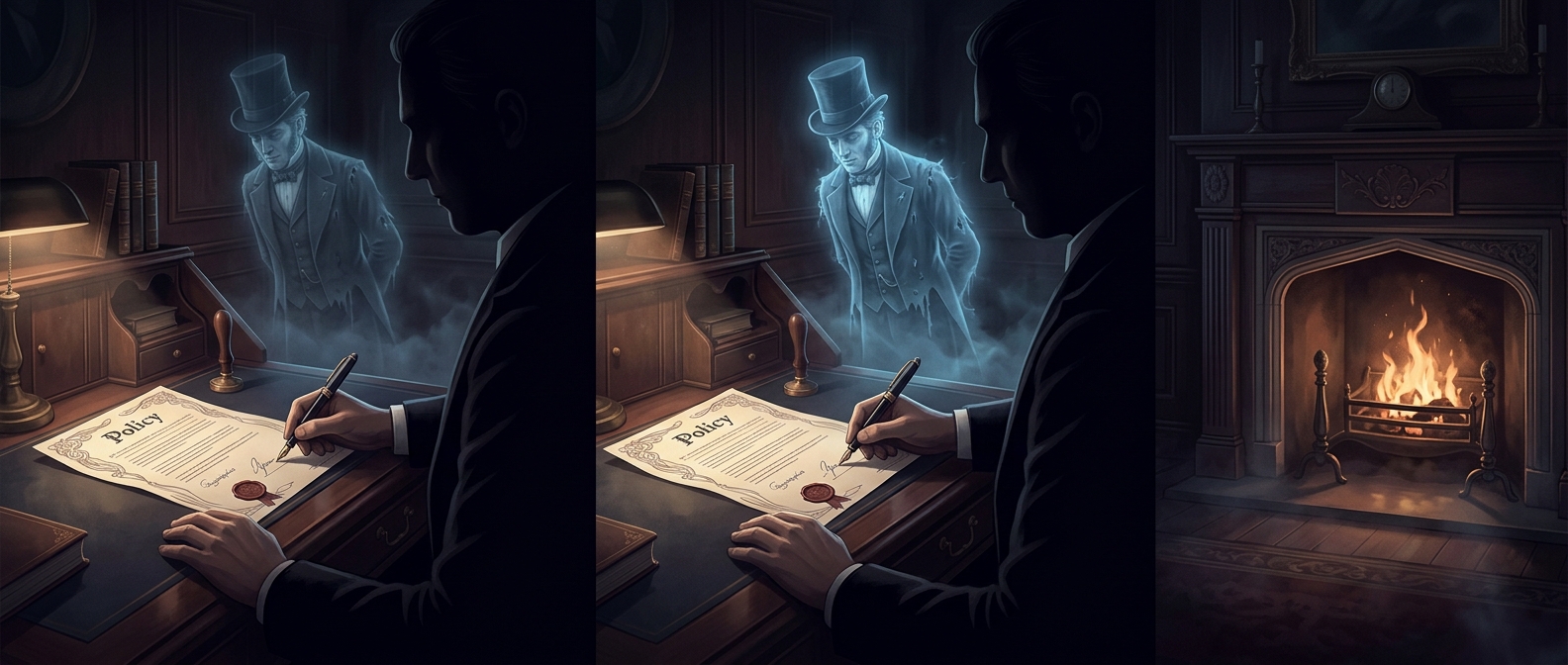
Insurance gave the stunt a prop with institutional weight. A policy made the danger sound official, while its actual promotional value lay in attracting attention. For a club, the hoped-for return was not a payout after an accident; it was publicity that might draw customers. The insurer, meanwhile, could charge for coverage whose practical exposure depended on the policy’s terms—details that could vary and are not established by the stunt itself.
The joke worked because the underlying risk was imaginable but extraordinary. Audiences could recognize that laughter affects the body, yet the dramatic possibility of death was far more useful as a headline than as an everyday hazard. The policy turned that gap between conceivable and likely into an advertising device: the club appeared daring, and the supposed danger became part of the show without needing to be demonstrated.