How a haunting becomes an insurance risk
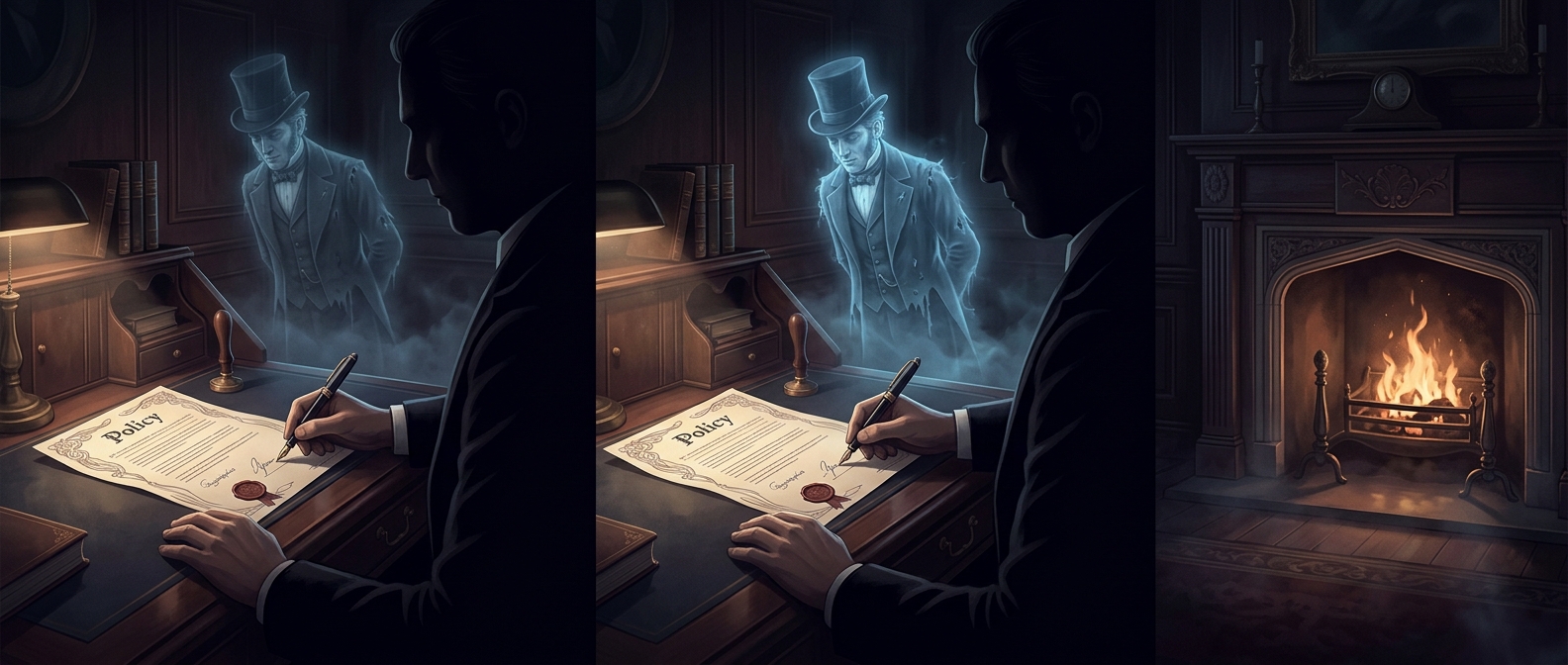
A pub’s ghost story may be part of its appeal, but it can also be framed as a business risk: an alleged haunting might be blamed for damage, disrupted trading, or customers staying away. Specialist cover gives an owner a way to insure against certain losses associated with that story, rather than relying on folklore alone.
The key is the policy wording. Insurance does not pay simply because a pub is said to be haunted. A claim would have to fit the cover’s terms, and the owner would need to show that a covered loss actually occurred. Damage and lost income are different kinds of loss, so the policy must specify which are included and what evidence is required.
The practical value is in defining the risk
For an insurer, an unusual cause still has to be translated into familiar questions: What was lost? How can the loss be documented? What circumstances are excluded? Those boundaries matter because “a ghost caused it” is difficult to assess on its own, while a repair bill or a documented closure is more concrete.
That makes this kind of cover as much about managing uncertainty as about predicting the supernatural. The pub owner can treat a haunting as a possible source of disruption; the insurer can set limits around which consequences, if any, it will cover. The memorable detail is that a ghost story can enter the same paperwork as other business exposures—but the story itself is not a blank cheque.