Why scarcity warnings appear at checkout
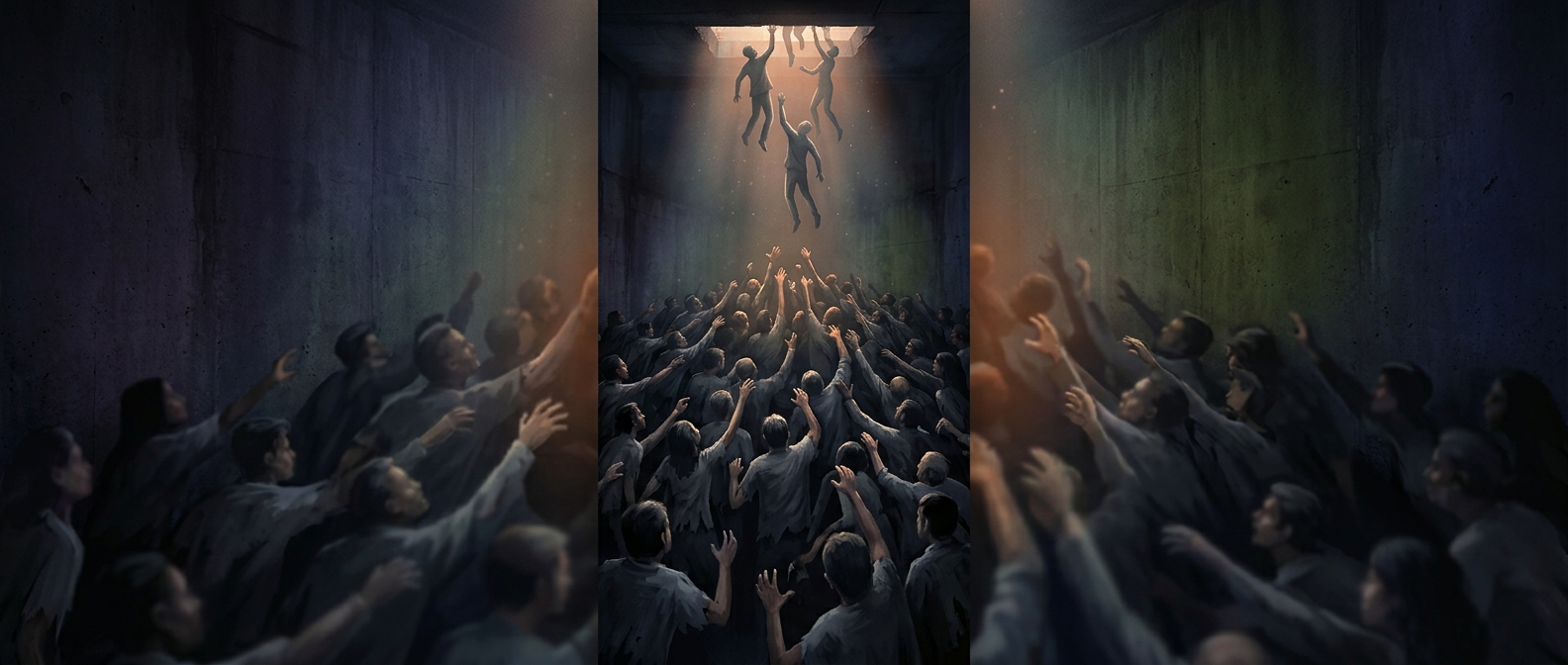
A warning such as “Only 2 left” is meant to change the decision from whether to buy to whether to buy now. It uses scarcity: when a product seems difficult to get, shoppers may judge it as more desirable and worry that waiting will mean losing it. At checkout, that nudge arrives when a shopper has already chosen an item and is close to paying, so the retailer is trying to prevent a last-minute pause or abandoned cart.
The business incentive—and the trust risk
For an online store, a sale can be lost if a shopper leaves to think, compare prices, or ask someone else. A limited-stock message adds a cost to delay, even if the price and product have not changed. It is a low-friction prompt: the retailer does not need to offer a discount, and the shopper can act immediately.
The message may also communicate a real inventory constraint. Stock can be limited for a particular size, color, seller, or fulfillment location, and availability can change as other customers place orders. But a warning is useful only if its wording reflects the stock information the store actually has. If shoppers repeatedly see dramatic alerts that do not match their experience, the tactic can erode trust—and make them less willing to believe a genuine warning.
Why the timing matters
The checkout is where urgency has the greatest chance to affect behavior: the shopper has invested time choosing a product, but payment is not yet complete. The alert turns that unfinished decision into a deadline, whether or not a literal countdown is shown. Its power comes from making “wait and see” feel like a choice with something to lose.