From “That’s unfair” to “At least I can get a ride”
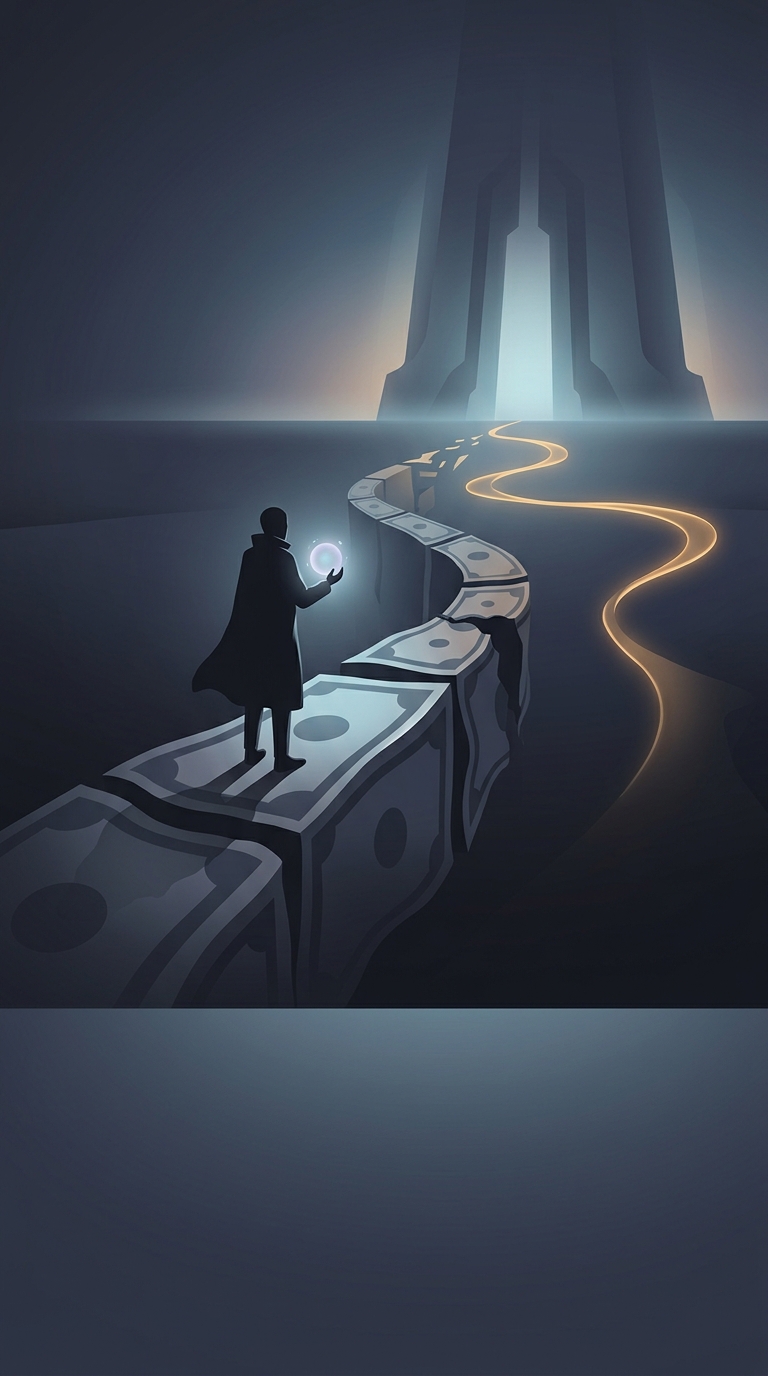
Surge pricing is easiest to resent when a rider sees only the higher fare. But in a moment when ordinary rides are hard to find, the same price can acquire a different meaning: it may help keep cars available. The psychological shift is from judging the fare as a charge for a service to judging it as part of the mechanism that makes the service possible.
That reframing matters because consumers often judge a price against a reference point—what they expected to pay, or what they paid last time. A sudden increase feels like a loss. When a ride is urgently needed, however, the comparison can change: the relevant alternative may not be a cheaper Uber ride, but waiting, walking, or being unable to travel. The fare can then seem less like an arbitrary penalty and more like the cost of getting a scarce ride now.
Seeing the market from the driver’s side
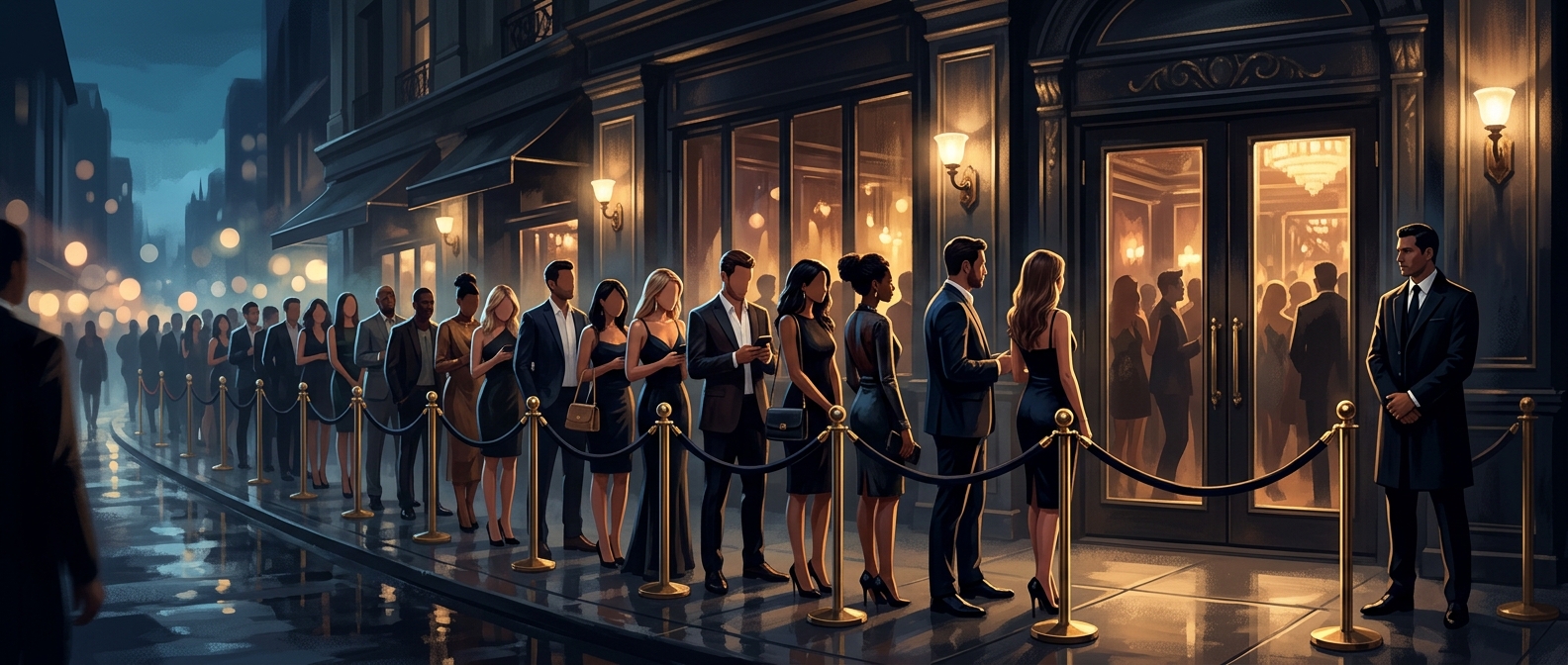
The mechanism is straightforward. When requests outnumber available drivers in an area, higher fares can discourage some riders from requesting trips and make driving more attractive to others. That can help bring supply and demand closer together. Riders who understand this may defend surge pricing not because they enjoy paying more, but because they see the increase as a signal and an incentive rather than a punishment.
This is a change in perspective, not a guaranteed reaction. A rider who suspects the increase is excessive, opaque, or timed to exploit an emergency may still view it as unfair. Clear information about the fare—and the ability to decline it—can make the tradeoff easier to recognize, though it does not make every increase acceptable.
Why the same fare can feel different
The key is which problem the rider is trying to solve. If the priority is paying the usual amount, surge pricing looks like a loss. If the priority is finding a ride during a shortage, it can look like a way to secure one. The price has not changed its purpose; the customer’s reference point has. That is why someone can criticize a surge fare in principle and still defend it when the alternative is no ride at all.