When the Workday Lost Its Edges
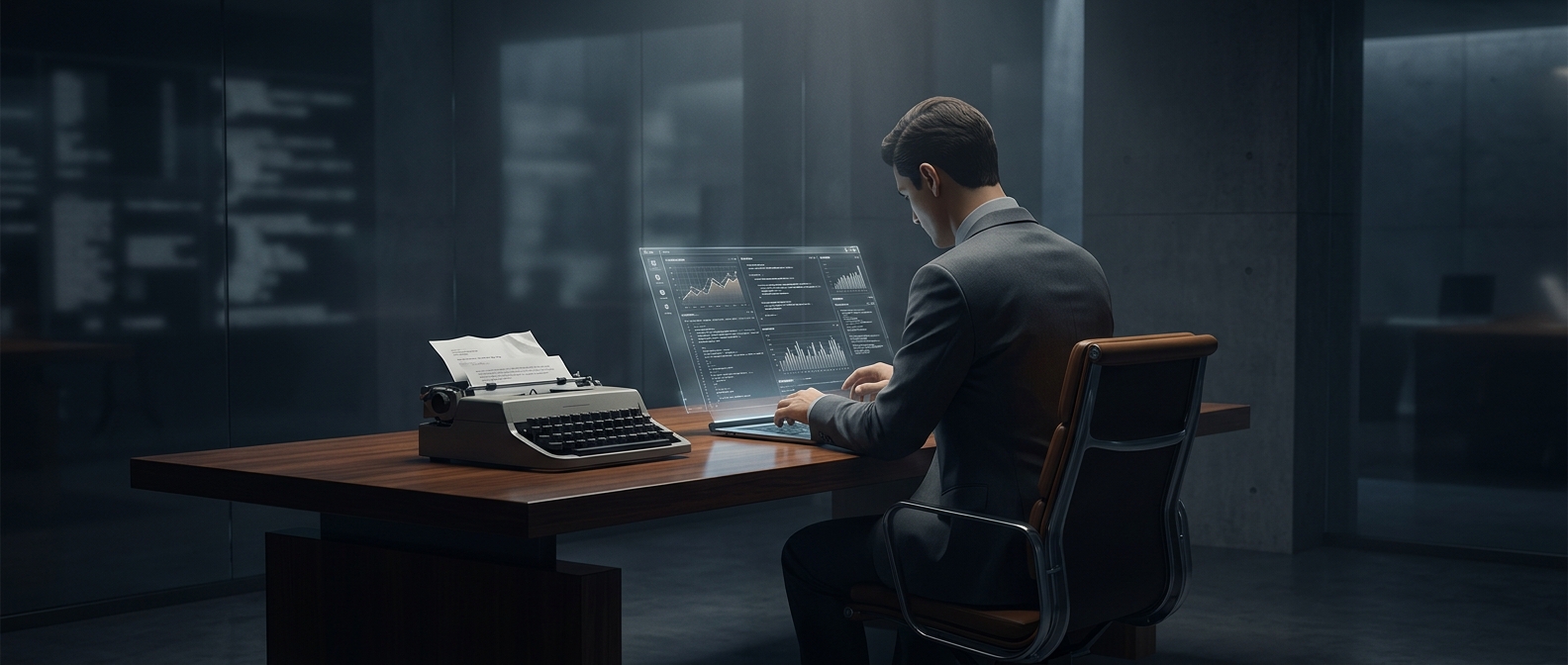
In an office, the end of the day has physical cues: coworkers leave, lights go off, and the trip home creates a buffer between work and personal time. Remote work removes many of those signals. A laptop can stay open on the kitchen table, and a new message can make work feel unfinished even after scheduled hours have passed.
The commute’s disappearance can blur the boundary further. Time once spent traveling may become extra work time—not necessarily because a manager explicitly demands it, but because workers can use the saved minutes to catch up, start earlier, or respond to a request that would once have waited until morning.
How Availability Becomes Extra Labor
Digital communication makes it easy for a task to arrive at any hour. If a worker answers late-night email, colleagues may begin to treat that response as normal, even without anyone formally changing the schedule. The worker, meanwhile, may feel pressure to stay visible and responsive when effort is harder to see from a distance.
That creates a quiet tradeoff: flexibility over where to work can come with less control over when work stops. The hours added may be scattered—one message after dinner, another quick task before bed—so they are easy to overlook as a longer workday.
A practical boundary is therefore more than a clock-out time: it is a routine that signals work is finished, such as closing the laptop or setting a clear expectation about when messages will be answered. Without those cues, the office may be gone, but the workday can follow people from room to room.