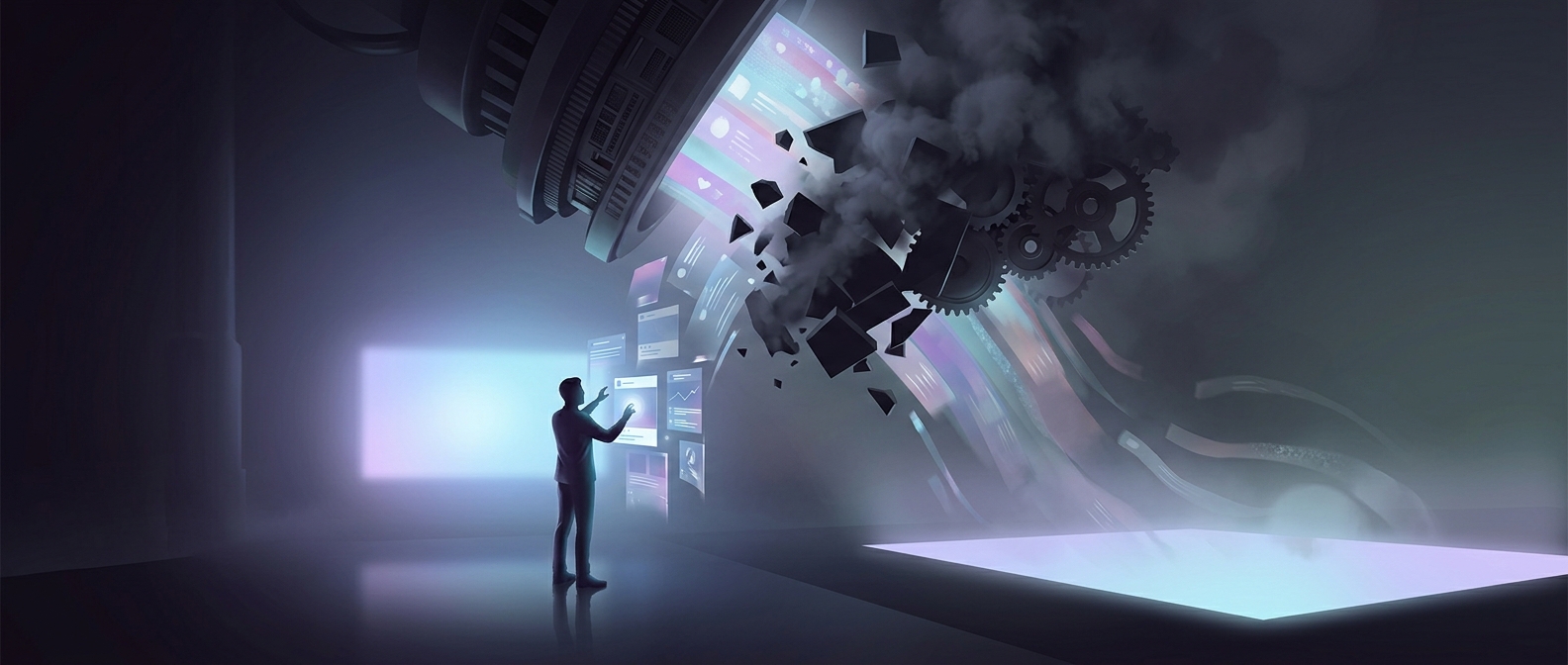
A feed is a ranking system, not a neutral timeline
When a platform has more posts than a person can reasonably see, software decides what appears first. A recommendation system estimates which items a viewer is likely to watch, like, share, or otherwise engage with, then ranks the feed accordingly. The exact signals and their weights can change—and may not be fully visible to creators.
That means a post can lose reach without being removed or formally penalized. If the system is tuned to encourage longer viewing, for example, a video that keeps someone watching may fit its goals better than a still image. A post containing an external link may also send the viewer away from the app, creating a tension between the creator’s goal of directing people elsewhere and the platform’s goal of keeping them browsing.
Small ranking shifts can reshape creative choices
Recommendations are also a feedback loop. Posts shown to more people have more chances to gather engagement, and that engagement can help determine what gets shown next. A change in ranking rules can therefore affect not just one post but a creator’s ability to build momentum—especially if their work depends on formats the system is currently less likely to surface.
Creators may respond by changing how they package the same idea: turning a photo into a video, putting information directly in a post instead of linking out, or adjusting when and how they publish. Those choices are not proof of a hidden penalty; they are attempts to adapt to a system whose priorities can be difficult to observe from the outside.
The practical consequence is that visibility depends partly on the work and partly on how well its format matches the feed’s current ranking logic. A quiet change to that logic can alter what audiences encounter—and what creators feel compelled to make.