When a Trending Story Stops Trending
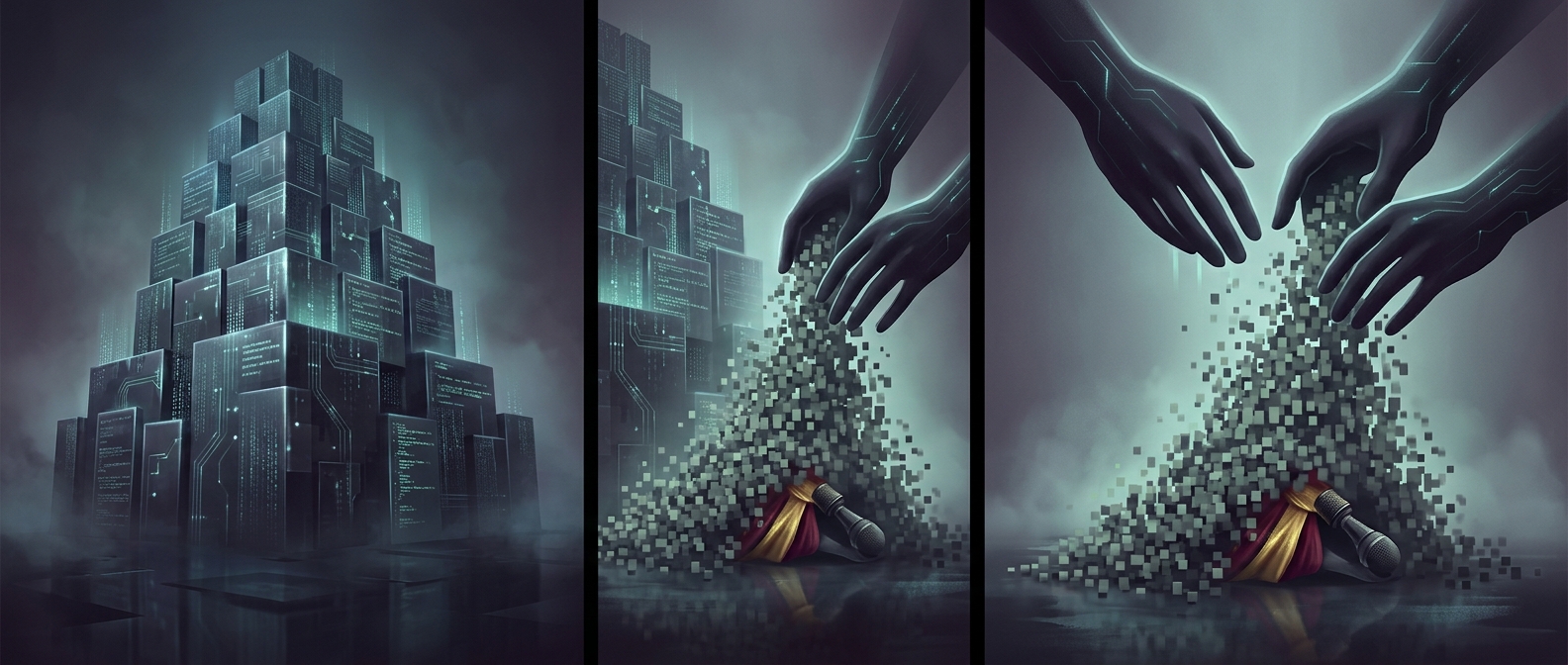
A hashtag can look like a public measure of what people care about, but it is also the output of a ranking system. Platforms choose which posts and topics to surface using signals such as activity, freshness, and expected interest. A story may be widely discussed in some circles and still remain hard to find in a trending feed if the system does not elevate it—or if posts about it receive less distribution.
That distinction matters in allegations involving a prominent online figure. The reports described the hashtags as suppressed, but a low profile in a platform’s trend list does not, by itself, reveal whether a system deliberately targeted a topic or whether ranking and moderation decisions had that effect. Either way, users who rely on recommendations may never encounter a story that is circulating elsewhere.
Creators Can Build a Route Around the Feed
Independent creators can counter that discovery bottleneck by discussing the same story across their own channels and directing audiences toward one another’s coverage. Instead of depending on a single hashtag to carry the story, they can make it visible through videos, posts, and conversation among communities that already follow them.
That effort can attract attention beyond the original platform audience. When a story becomes persistent and visible across multiple creators’ work, journalists may notice it and investigate or report on it. In this case, the organized campaign helped bring the allegations into mainstream media, extending their reach beyond the channels where they first spread.
The deeper consequence is that platform visibility and public attention are not the same thing. A ranking system can narrow what users readily encounter, but coordinated human networks can create other paths—sometimes carrying a story from niche feeds into the broader news cycle.