Why horoscopes suited a newspaper page
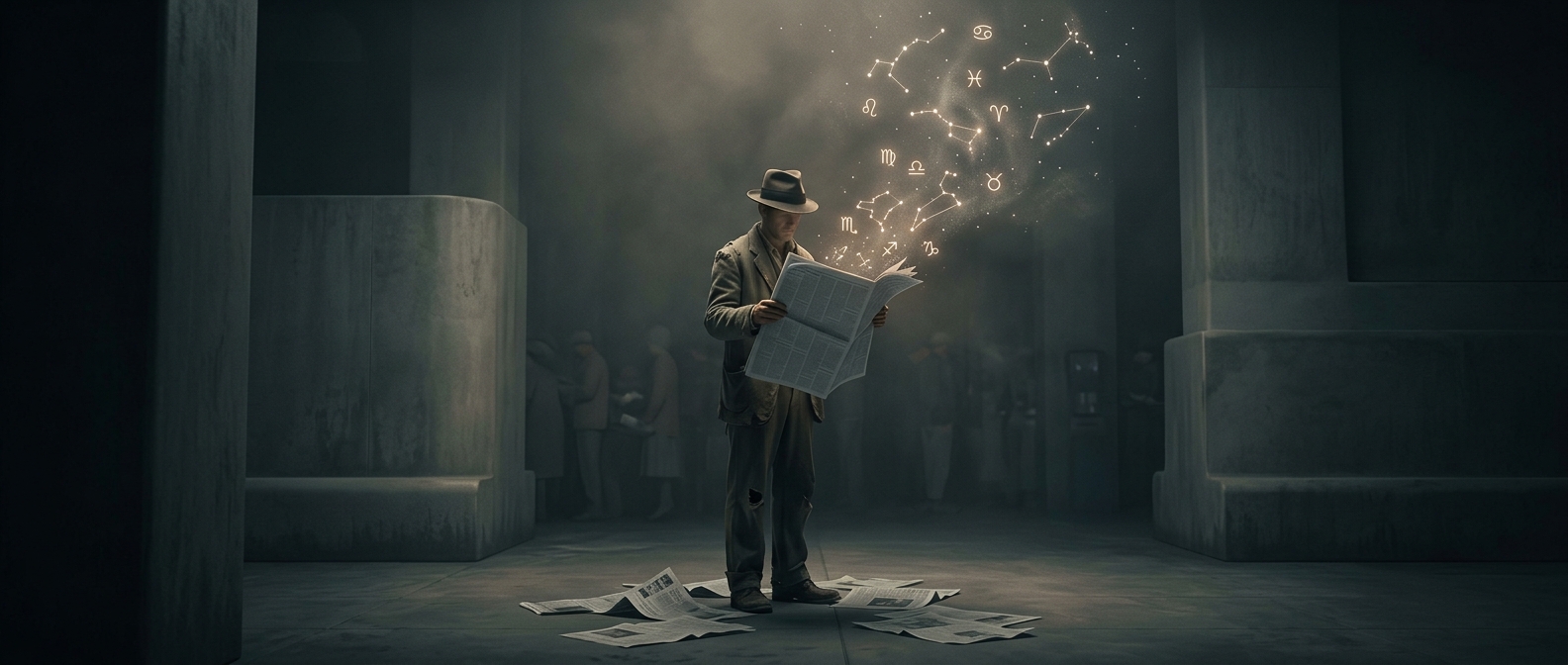
A horoscope offered something a news report could not: a sentence that seemed to speak directly to the person holding the paper. During the Great Depression, when jobs and security felt uncertain, forecasts about money, work, or romance had an obvious emotional pull. For publishers, that personal appeal could help make a paper more inviting—and encourage readers to return for the next installment.
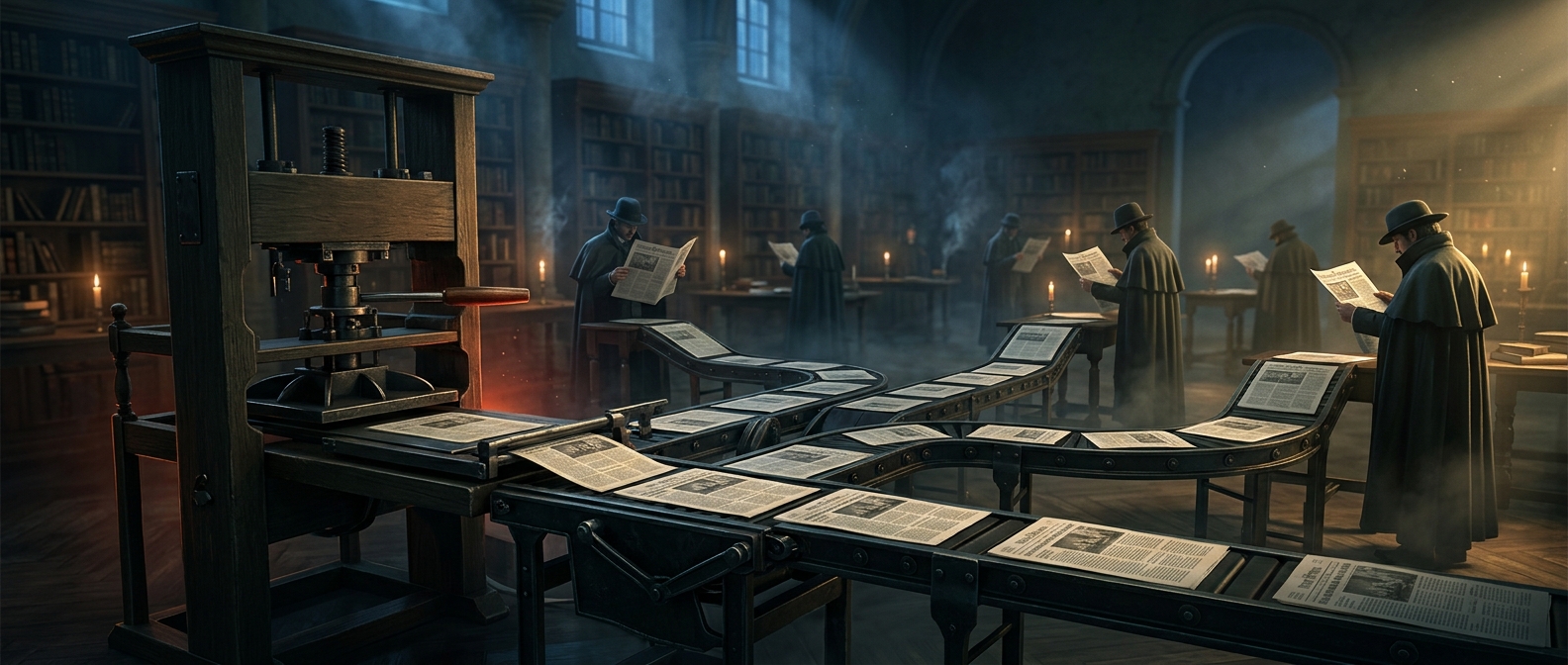
The format was inexpensive and easy to repeat. A short forecast could be divided by zodiac sign, giving many readers a personal-feeling prediction without requiring a separate story for each person. Its language also tended to leave room for interpretation: a warning to be cautious with money, for example, could seem relevant across many different circumstances. The feature’s commercial strength lay in making a mass-produced newspaper feel personally addressed.
From novelty to routine
Horoscopes were not news in the usual sense; they were a small, recurring feature that offered reassurance, curiosity, or entertainment alongside reports of events readers could not control. That distinction helped the column fit the moment. It did not need to solve anyone’s problems to offer a brief sense of direction—or simply a reason to check the paper.
Once readers began looking for the feature, its regularity became part of its value. A publisher could keep it in the paper day after day, turning a novelty into a familiar habit. In that way, forecasts aimed at anxious readers could serve both sides of the transaction: readers got a moment of personal attention, and newspapers gained a repeatable feature that gave people one more reason to buy a copy.