How the CN Tower’s glass floor carries a crowd
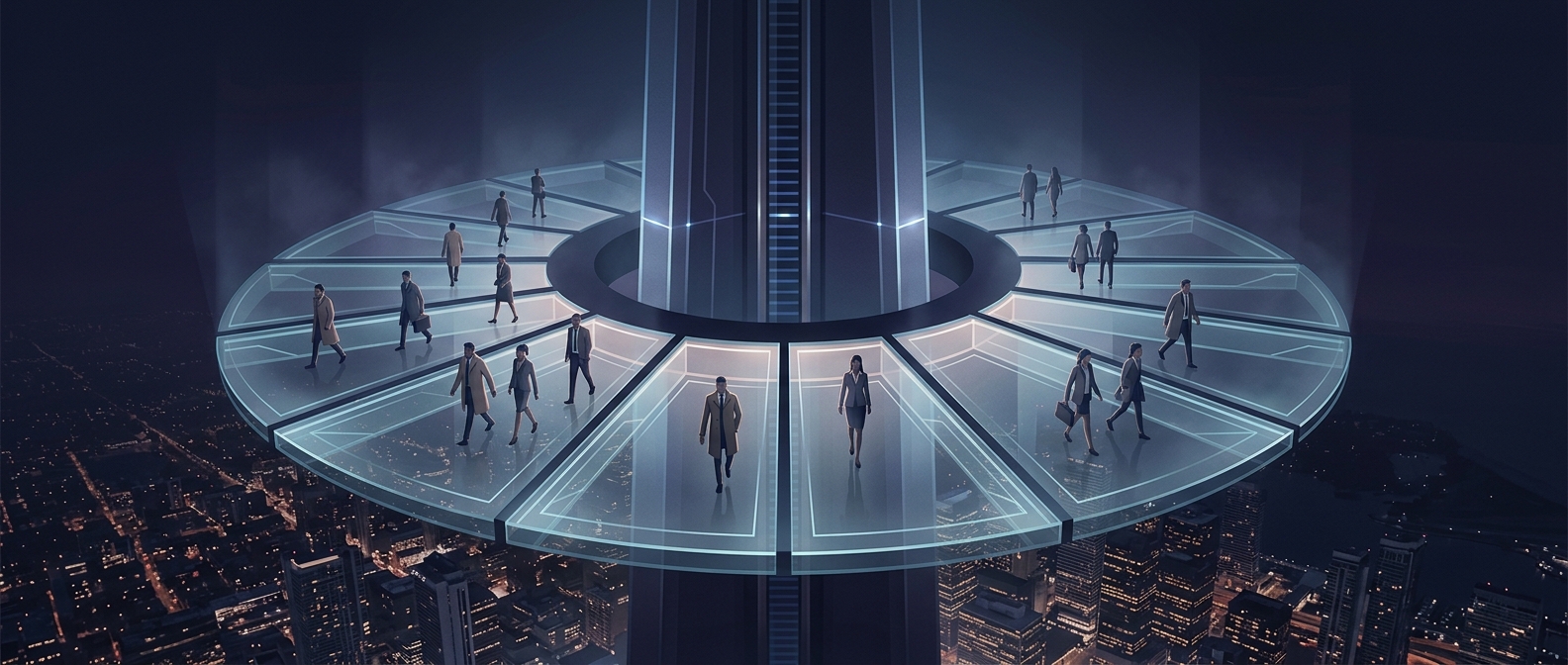
The floor feels unnerving because it looks like a single sheet of glass suspended over open air. Structurally, though, its strength comes from more than the visible surface: the panels are engineered as part of a supported floor system, with their edges transferring weight into the surrounding structure.
Glass used in floors is typically built in bonded layers. If one layer cracks, the others can help keep the panel in place rather than letting it immediately fall apart. The panel and its supports are designed together to handle people standing and moving across the floor—not just a single person planted in the middle.
The view changes how the floor feels
On an ordinary floor, the building below is out of sight, so your brain treats the surface as solid ground. Here, the view exposes the height directly. That can make a sturdy panel feel precarious even when it is carrying weight through the same basic path as any floor: from the surface, through its supports, and into the building.
The contrast is the point of the experience. The floor turns the tower’s height from a fact you read on a sign into something you feel underfoot: a normal step, with hundreds of metres of open view beneath it.