Why a landing slot can be worth an almost-empty flight
At a crowded airport, a landing slot is more than a place to touch down. It is permission to arrive at a particular time, often paired with a departure slot that lets the airline run a scheduled service. Those windows are scarce: if one carrier cannot use them, another may be waiting to operate a flight.
In Europe, slot-allocation rules generally tied an airline’s right to keep a slot for the next scheduling season to how much it had used it in the current one. The rule was meant to prevent airlines from sitting on valuable airport capacity while leaving flights unoperated. But it created a blunt incentive: when passenger demand collapsed during the pandemic, cancelling too many services could jeopardize future access to the airport.
The timetable became the cargo
An airline deciding whether to operate a flight faced two costs. Flying with few passengers meant paying for fuel, crew and aircraft operation while earning little fare revenue. Cancelling could mean surrendering a slot that might be difficult or impossible to regain—and losing the ability to serve that airport at a commercially useful time later.
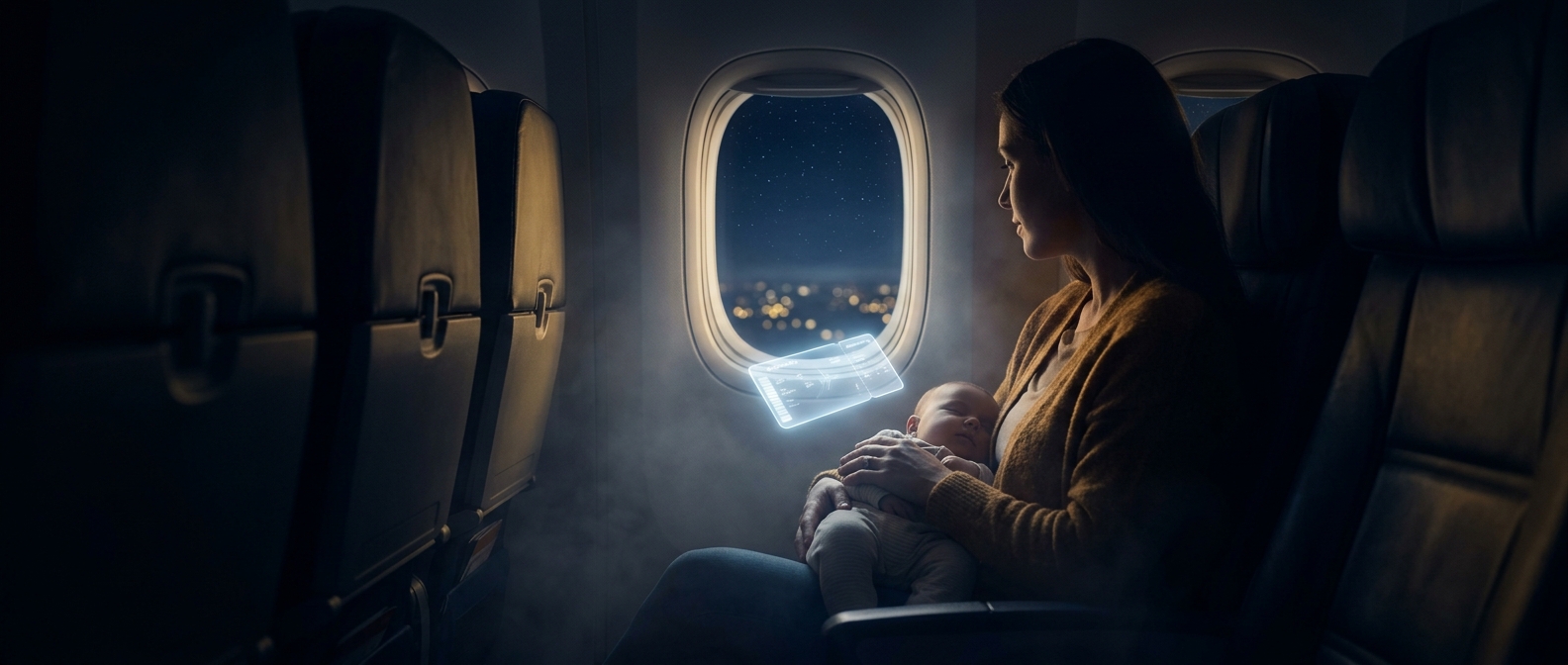
For some services, the second risk made an otherwise uneconomic flight seem worth operating. The aircraft still had to complete the scheduled journey, even when there were few passengers or none. What it effectively carried was the airline’s claim to a place in the airport timetable.
A rule built for normal demand met an extraordinary shock
The underlying policy problem was real: airports need a way to allocate limited capacity, and airlines have an incentive to hold onto desirable times. But a use-it-or-lose-it rule assumes carriers have a reasonable chance to use their slots. When travel restrictions and collapsing demand made that assumption fail, preserving the normal schedule could mean flying without a normal commercial purpose.
The empty seat was therefore only the visible part of the waste. The deeper mismatch was between a timetable designed to ration scarce airport access and a moment when there were far too few travelers to justify many of the flights scheduled to protect it.