Why a crowded checkout can change the price
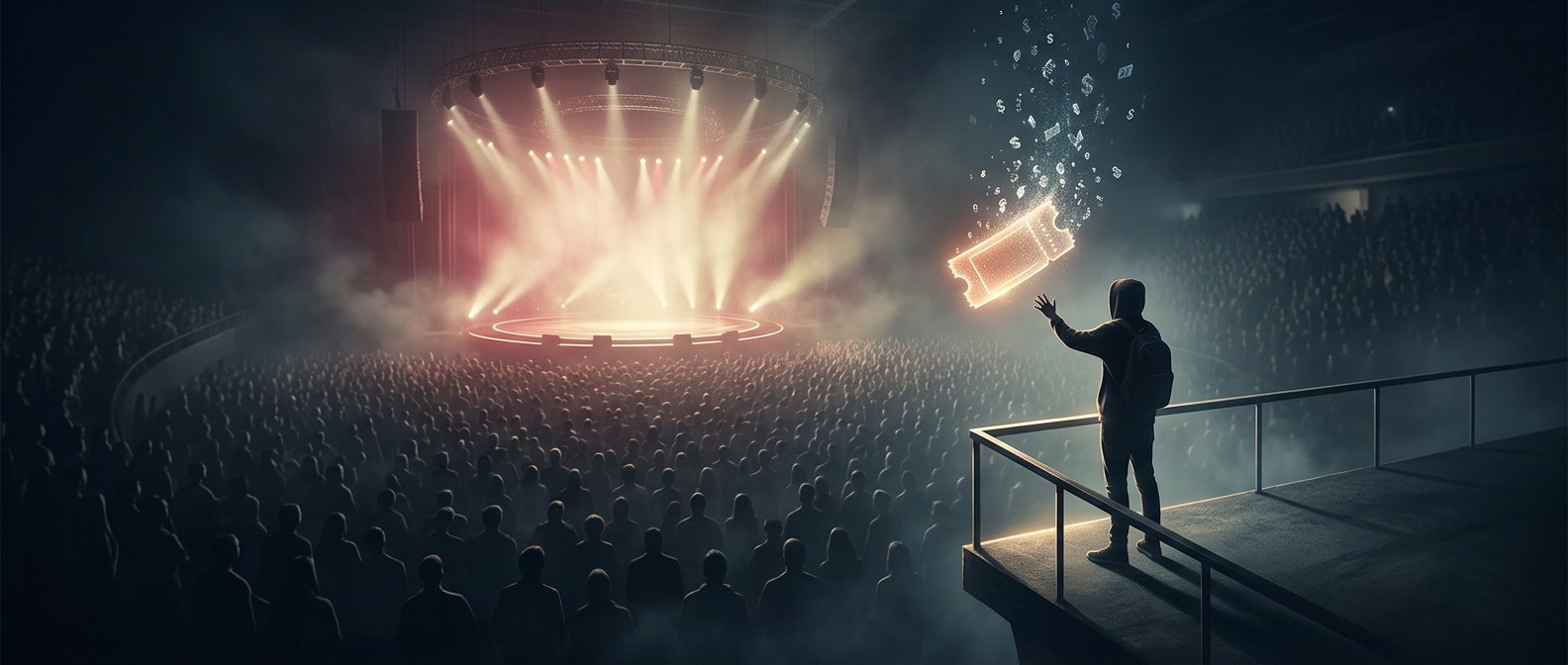
Concert tickets are a limited inventory: once a seat is sold, it cannot be sold again. When many buyers arrive at once, ticketing systems may use dynamic pricing—adjusting prices as demand and remaining inventory change. A seat that was affordable earlier can therefore cost more by the time another fan reaches checkout.
The system is not necessarily measuring how much any one person wants the show. It responds to patterns across shoppers, such as a rapid rise in searches or purchases. If tickets are disappearing quickly, a higher price can slow sales and reserve some seats for buyers willing to pay more. If demand is weaker, prices may stay put or be reduced, depending on how the seller has set up pricing.
Who benefits—and who bears the tradeoff
Higher prices can direct scarce seats toward buyers who value them enough to pay more, while bringing in more revenue for the seller. But they also make the buying experience feel unpredictable: fans may see one price, hesitate, and return to find a higher one. And a price that rises during a rush can exclude people who planned around the original amount.
Not every increase has the same cause. Some tickets have fixed prices, while others are deliberately priced to change; resale listings are a separate market where individual sellers may raise prices. For fans, the practical consequence is that the displayed price may depend not only on the seat, but also on when they try to buy it.