A tiny island, a very large workaround
In RollerCoaster Tycoon, unhappy guests are not just background scenery: their mood contributes to how well the park is rated. A low rating might seem to call for ordinary fixes—lower prices, better paths, or more attractions. But the game also lets players pick up guests and place them elsewhere, creating a shortcut around that problem.
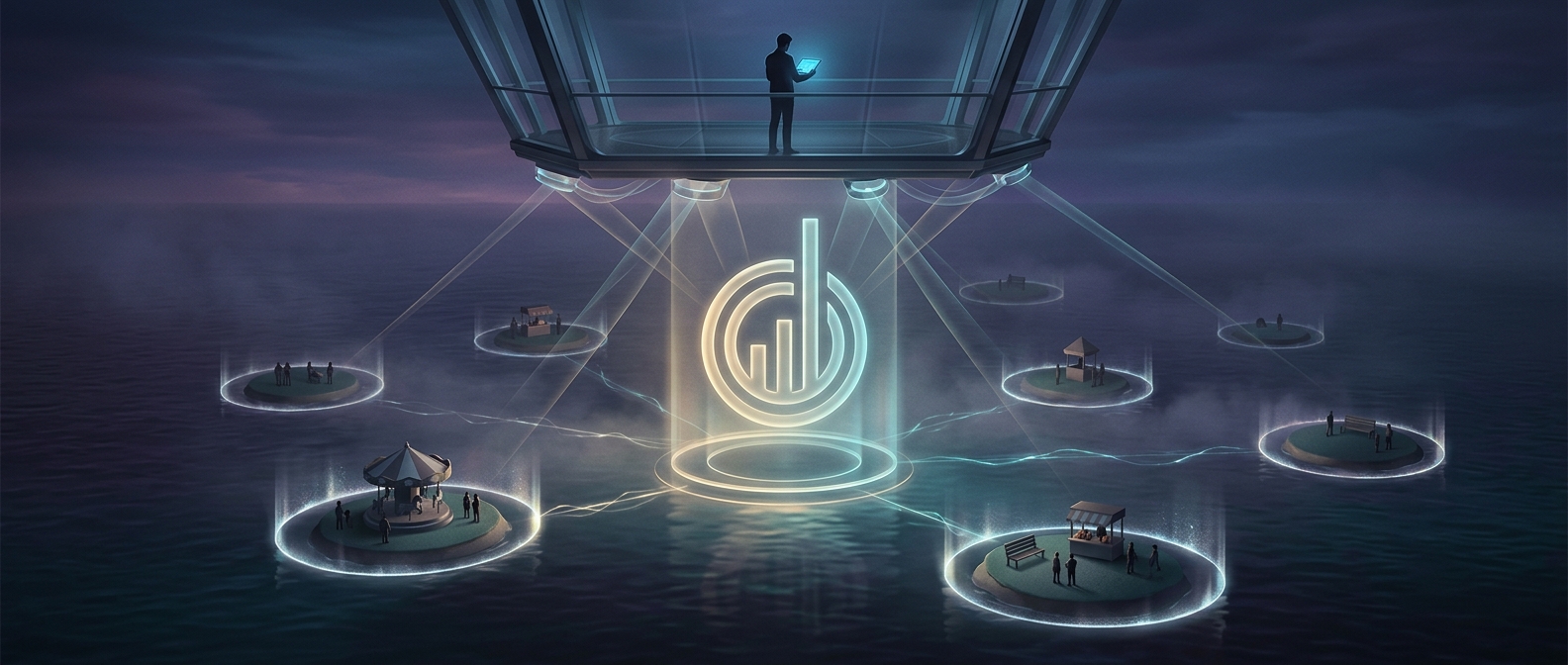
Put an unhappy guest on a one-tile island with no path back, and the guest is effectively removed from the park’s everyday flow. The player has not made the food cheaper or repaired the park’s layout; they have changed where the troublesome visitor can affect the simulation.
When management becomes manipulation
That shortcut reveals an unusual tension in the game’s design. The park is presented as a place to manage, with guests reacting to what they encounter. Yet guests are also objects the player can directly move. Once those two systems meet, a player can treat a dissatisfied customer less like feedback and more like a problem to contain.
It is a distinctly game-like solution: instead of improving the experience, build a miniature prison and keep the evidence out of sight. The island may be only one tile wide, but it exposes the gap between a park that guests genuinely enjoy and a park whose rating has been managed around its unhappy visitors.