A layover can turn a sealed bottle into a security problem
Duty-free alcohol is often sold after security, where ordinary cabin-liquid limits no longer apply at the shop. But that does not make the bottle exempt from screening for the rest of the trip. If a connection sends you out of the international transit area—into the public terminal, for example—you may have to pass through security again before boarding your next flight.
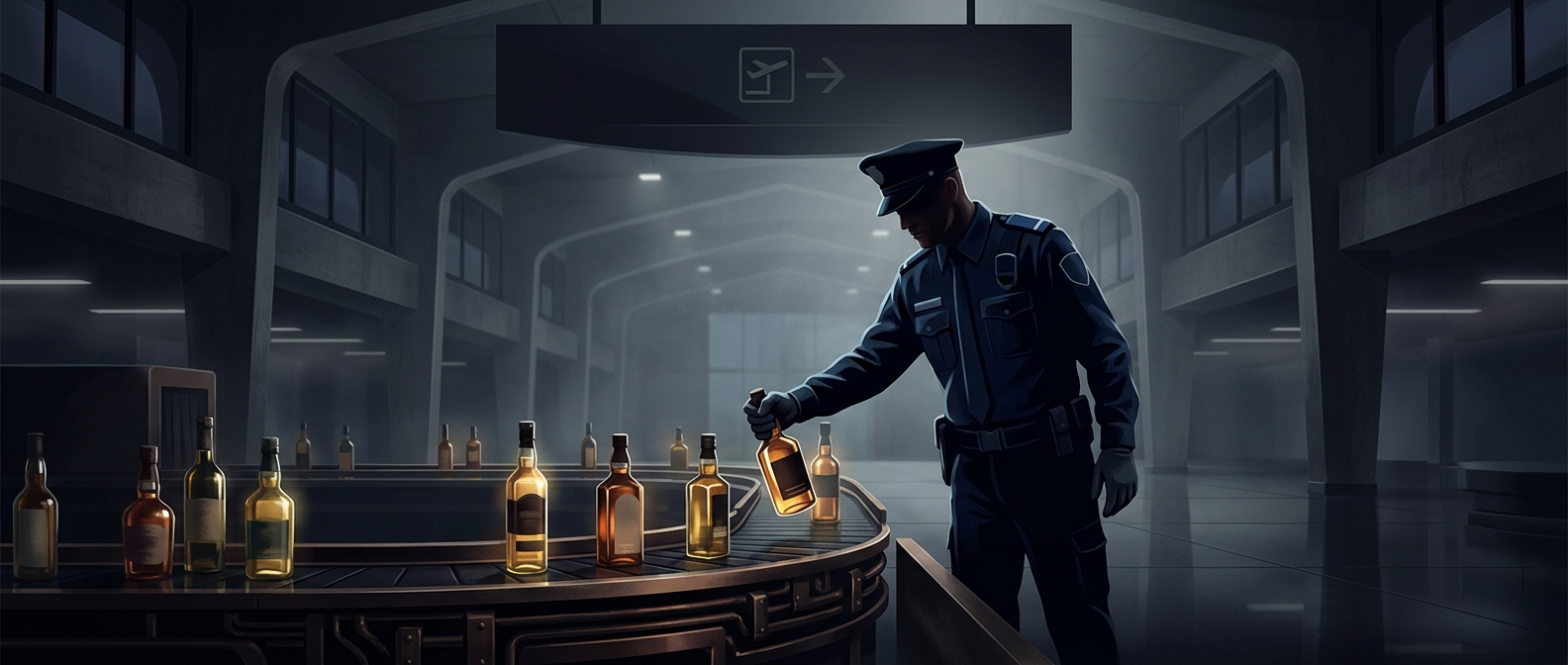
At that checkpoint, the bottle is still in your carry-on. If it exceeds the permitted liquid size, it may not be allowed through, even though you bought it at an airport shop. The key distinction is not where the bottle came from; it is whether you can carry it through the security screening you encounter next.
Why the route matters more than the purchase
Airports handle connections differently. Some let passengers transfer between flights without leaving the secured area. Others require arriving travelers to clear immigration, collect checked bags, or change terminals in a way that sends them through screening again. A domestic connection can trigger that extra step, breaking the chain of security under which the duty-free purchase was made.
A sealed, security-approved duty-free bag may be accepted in some circumstances, but packaging and screening rules vary. A shop purchase is not a promise that every later checkpoint will accept it. If you must leave the secure area, placing the bottle in checked baggage before that screening is the safer option—when you have a chance to do so.
The practical trap is timing
Once you are at the connecting checkpoint, you may have no access to your checked suitcase, and checking a carry-on may not be possible. Before buying, check whether your itinerary requires you to exit the transit area and be screened again. That small route detail can decide whether the bottle travels home with you or gets left behind at security.