Why a Used Visa Is Hard to Remove Cleanly
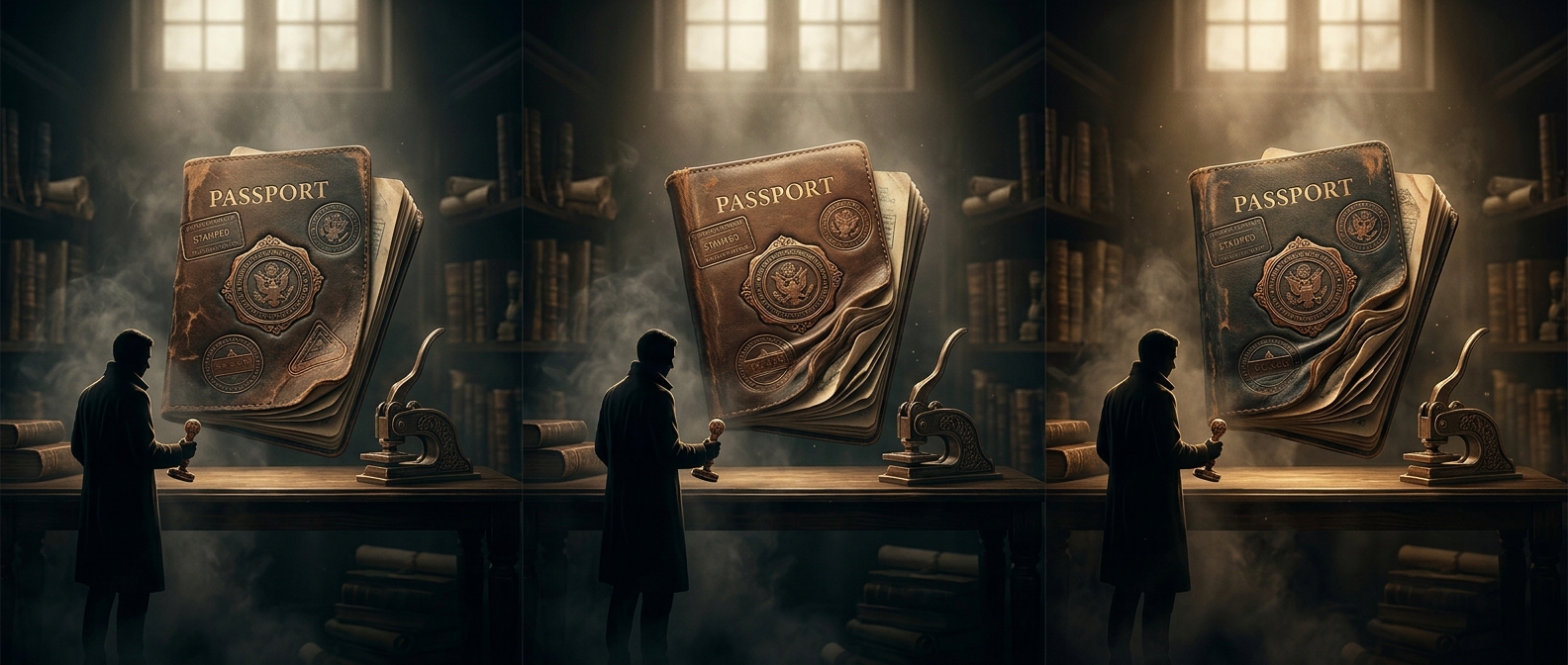
A passport is not just a stack of loose sheets. Its pages are bound into a booklet, and some contain printed security features designed to help officials detect alterations. A visa may be a sticker bonded to a page, or an inked record pressed directly into it. Peeling off a sticker can lift paper fibers, leave adhesive, or tear the page; cutting or scraping risks damage too.
That damage can change more than the page’s appearance. A tear may spread from the edge, weaken the binding, or obscure printed details and security elements. The booklet’s structure and the information officials rely on are connected: a page that has been altered or damaged can raise questions about whether the passport remains intact and usable.
Why the Whole Booklet Can Be Affected
Border officials need to inspect a passport as a reliable document, not simply read its newest visa. If a page appears mutilated, authorities may reject the booklet or require its replacement, even when the passport’s personal details are still legible. A damaged passport can therefore complicate travel before the traveler reaches the destination.
The practical consequence is that a used visa is still part of the passport’s physical history. Trying to reclaim space by removing it can cost the traveler the document itself. When a passport is crowded or a visa is no longer needed, the safer course is to leave the page intact and ask the issuing authority about replacement options.