At the checkpoint, shape gives way to function
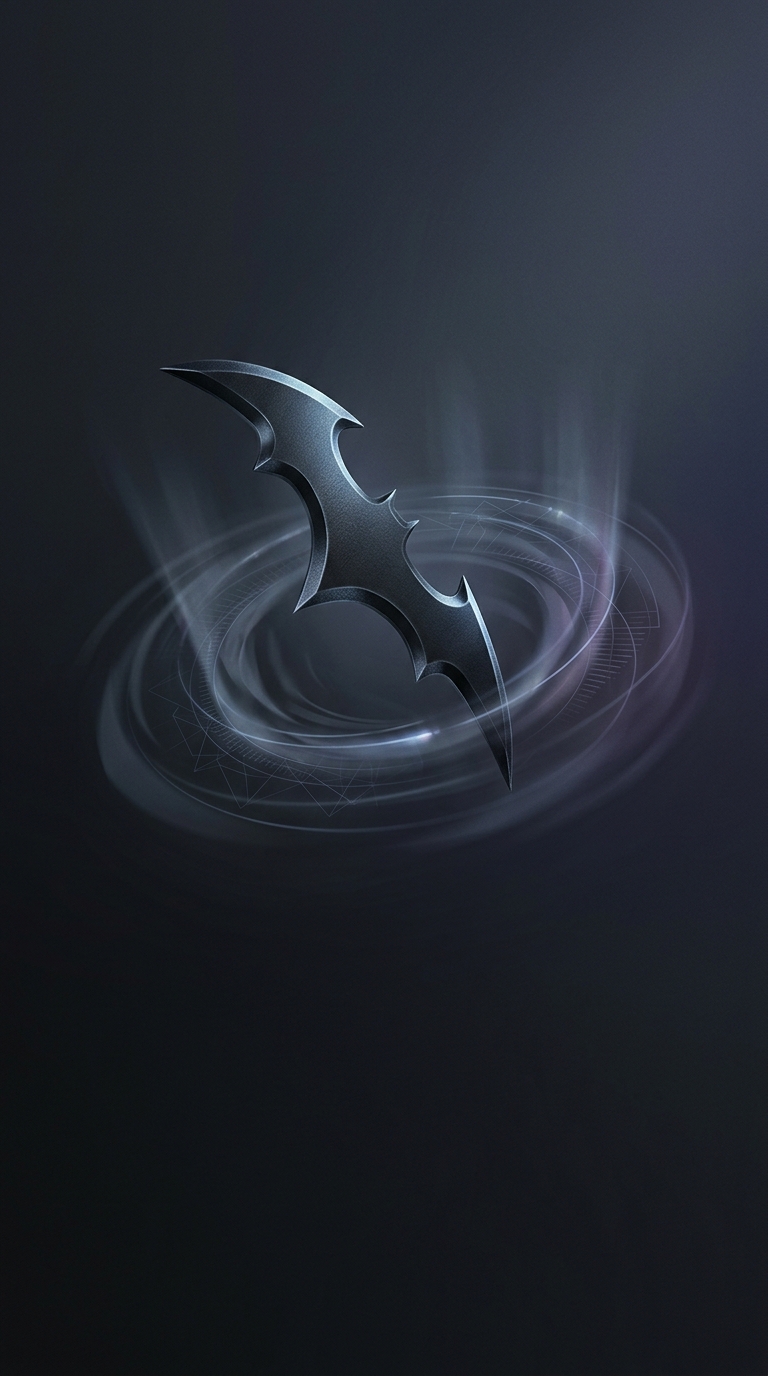
A batarang may look like a prop from a superhero story, but a working one presents a very ordinary security problem: it is a sharp object designed to be thrown. For screening purposes, its fictional name and dramatic silhouette matter less than what the object can do. If it can cut or injure someone in an aircraft cabin, it is not merely a collectible to wave through because it resembles a toy.
That is the practical logic behind airport screening. Officers evaluate objects passengers bring into the secure area, where access to potentially dangerous items is restricted. A novelty item can cross into a different category when it is made with a sharp edge and built to function as a weapon. The distinction is not about whether the passenger intended harm; it is about the risk the object would pose in the cabin.
A souvenir can become a travel problem
The episode also illustrates a common mismatch between a traveler’s idea of an object and a checkpoint’s. To its owner, the batarang might be a comic-book collectible or conversation piece. To a screener, its sharpness and throwing function are immediate, visible properties—and the relevant ones.
That mismatch can turn an unusual souvenir into a disrupted trip. Once a prohibited item is found in carry-on luggage, the traveler may have to give it up or find another way to handle it before proceeding. The memorable part is not simply that a Batman-inspired object appeared at an airport; it is that, at security, a piece of fiction becomes a real-world object with real-world capabilities. A batarang that can actually fly—and cut—is no longer just a prop.