Why a blockchain remembers the joke
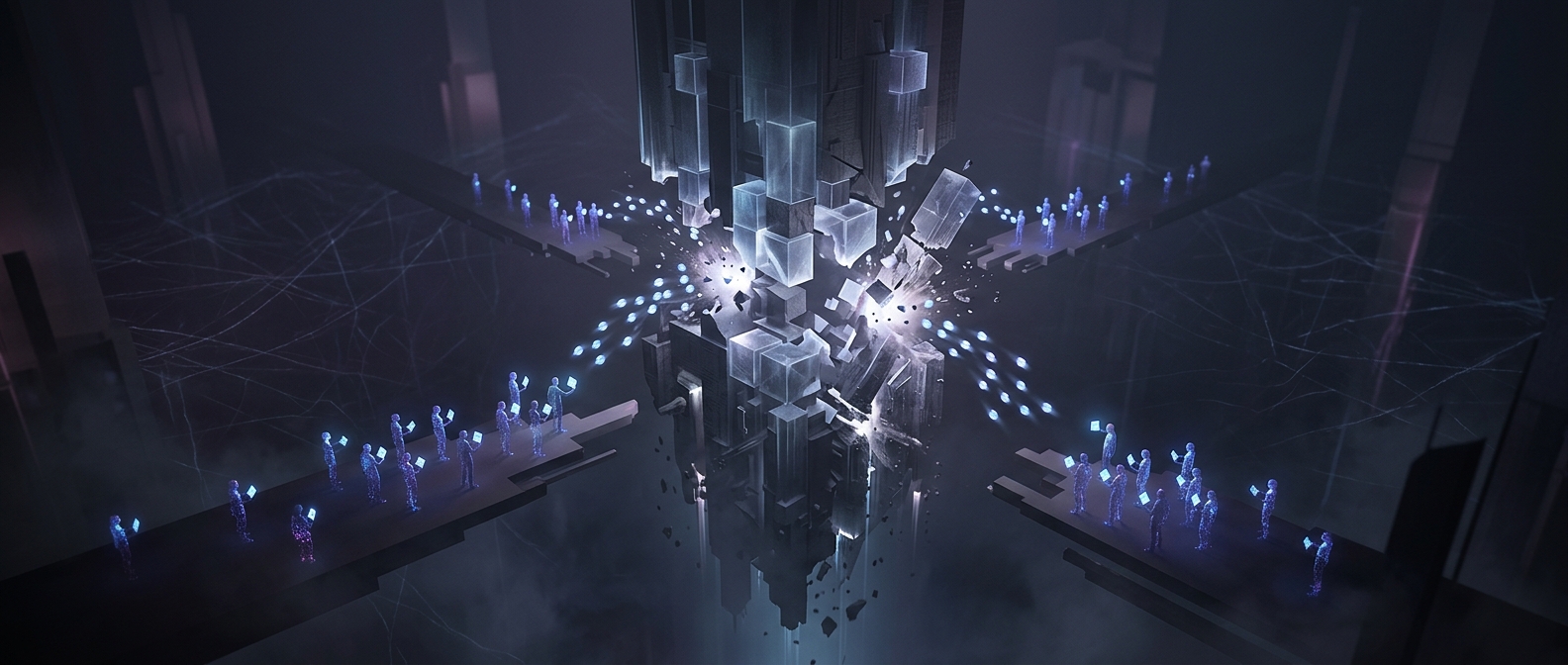
A blockchain is a shared record copied across many computers. New entries are added in sequence, and the system is designed to make old entries difficult to alter without the network noticing. If a meme’s actual bytes—its text or image data—are written into that record, every participating copy may retain them as the chain grows. There is no central moderator who can simply edit the original entry out of everyone’s copy.
That changes what “posting” means. On an ordinary website, an owner can delete a file and let its link go dead. On-chain, the record can remain available to anyone who knows how to retrieve it, even if the uploader regrets the joke or the original app disappears.
The crucial difference: file or pointer
Not every blockchain upload stores a complete image or animation in the ledger. Some entries contain only a pointer—a reference to a file held elsewhere—or a cryptographic hash, a short fingerprint that can help verify a file but cannot reconstruct it. If the outside file is removed, the pointer may lead nowhere. The strongest form of persistence applies when the content itself is stored in the chain, or in a storage system designed to keep it available.
Putting data directly on a blockchain also has a price. The record must be carried and checked by the network, so large files can be costly and burdensome. That is why small text snippets, crude pixel pictures, or ASCII art—the kind of joke that fits in a tiny space—are especially suited to being preserved this way.
A punchline with a long afterlife
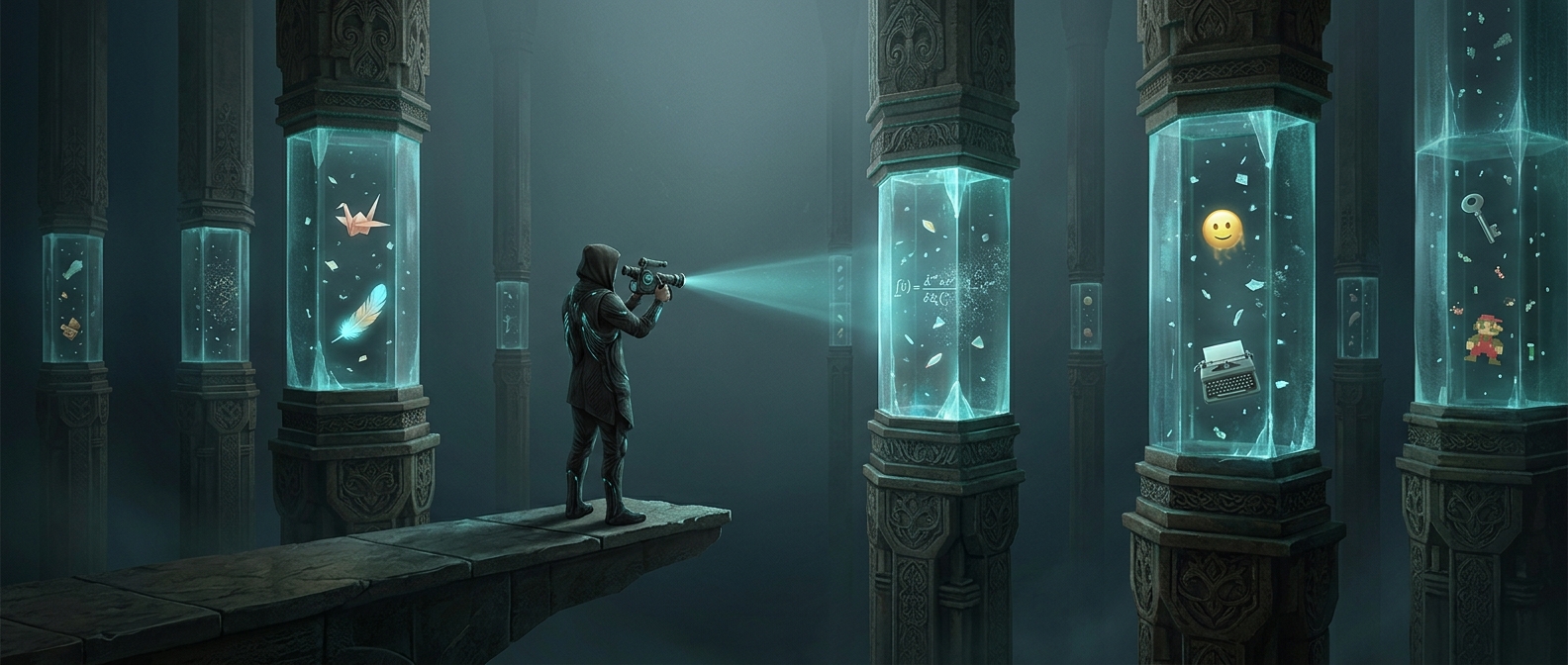
The permanence is less like pinning a meme to a social feed and more like carving it into a public ledger: later readers may find it long after the original context has vanished. The network can preserve the bytes, but not the timing, audience, or shared reference that made them funny. A joke can therefore outlast its laugh—and, if it was stored directly on-chain, outlast the service that first displayed it.