When a Banknote Has No Bank Behind It
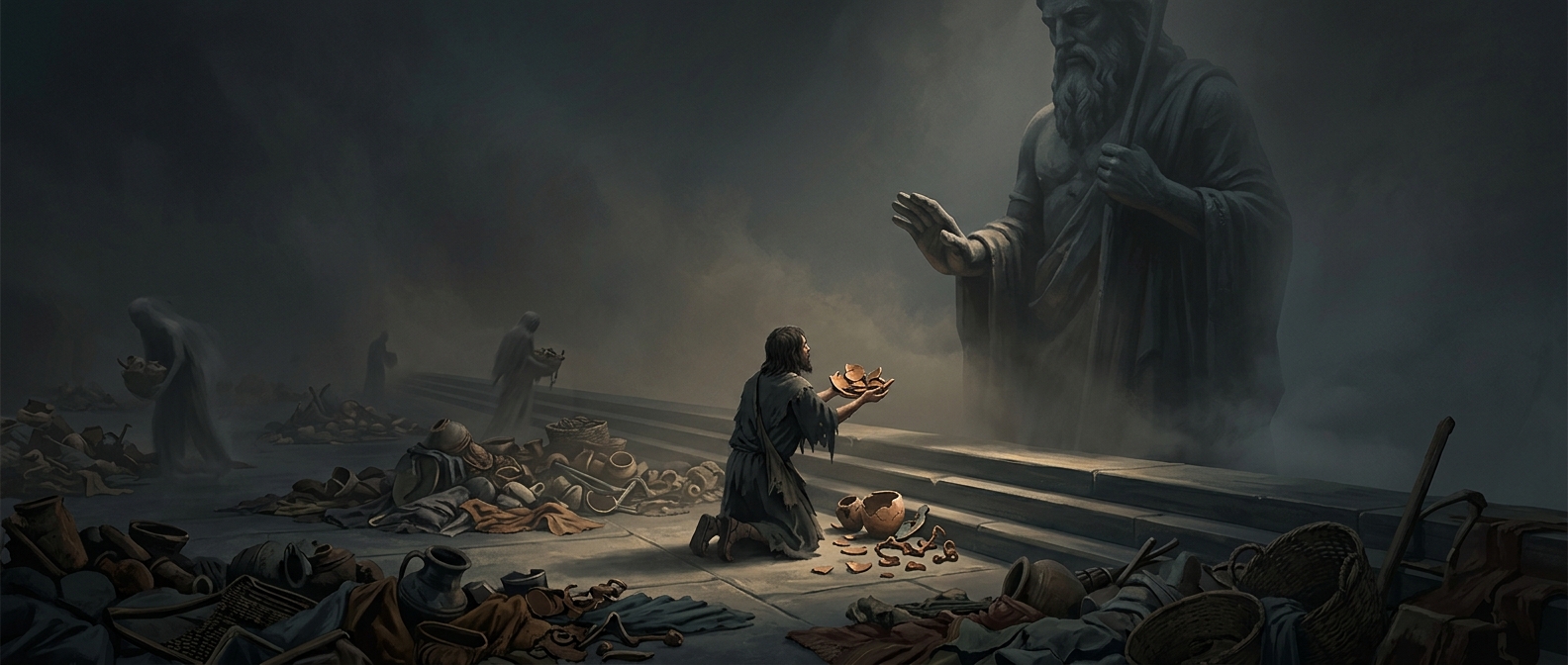
After Somalia’s central government collapsed in 1991, the country lost a functioning central bank able to issue money, manage the currency, or enforce rules against counterfeiting. Yet people still needed a way to price goods and settle everyday purchases. Existing Somali shilling notes—and new notes produced without state authorization—continued to circulate because buyers and sellers recognized them and expected others to accept them.
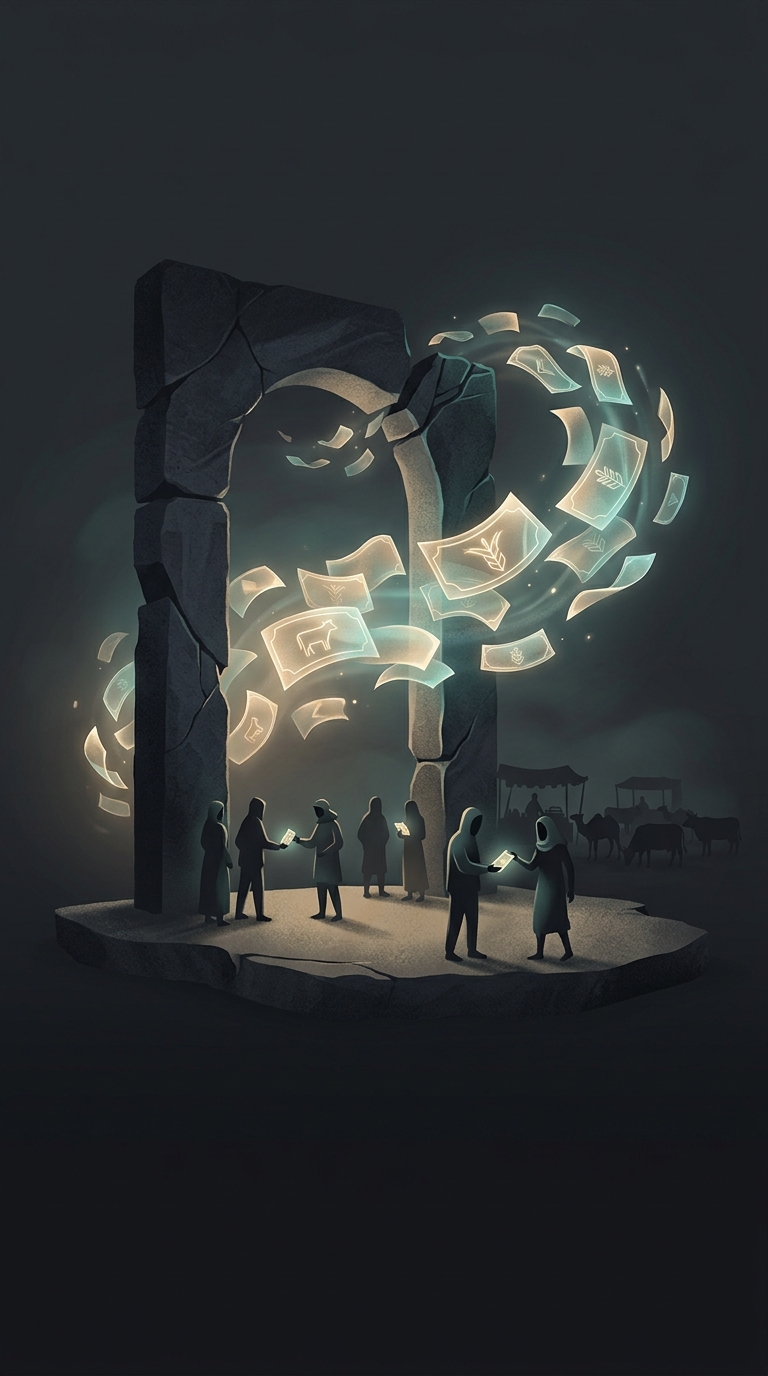
In that sense, “counterfeit” describes the notes’ lack of official backing, not necessarily their usefulness as cash. A banknote works in a market when people trust that someone else will take it in exchange. That shared expectation can persist even after the institution that once stood behind the currency disappears.
How Markets Kept Moving
With no authority controlling issuance, private operators, including powerful factions, could put additional notes into circulation. This was not monetary policy: there was no central institution adjusting the supply in response to economic conditions or defending a stable value. More notes could mean that sellers demanded larger amounts for the same goods, while the shilling’s worth varied across places and over time.
But a currency does not have to be stable to remain useful for local trade. People could still use shillings to bargain over food or livestock, especially when both sides knew the denominations and had limited alternatives. Other currencies, including foreign cash, also circulated; the shilling was part of a patchwork rather than a universally dependable national standard.
The Cost of Informal Money
The arrangement kept transactions possible, but it shifted the risks onto users. Without a trusted issuer, a note’s value depended on local acceptance, and people had little protection against an influx of new bills or sudden changes in what sellers would take. The striking consequence was that money survived as a social agreement after the state machinery meant to regulate it had broken down.