Why people crossed fingers for luck
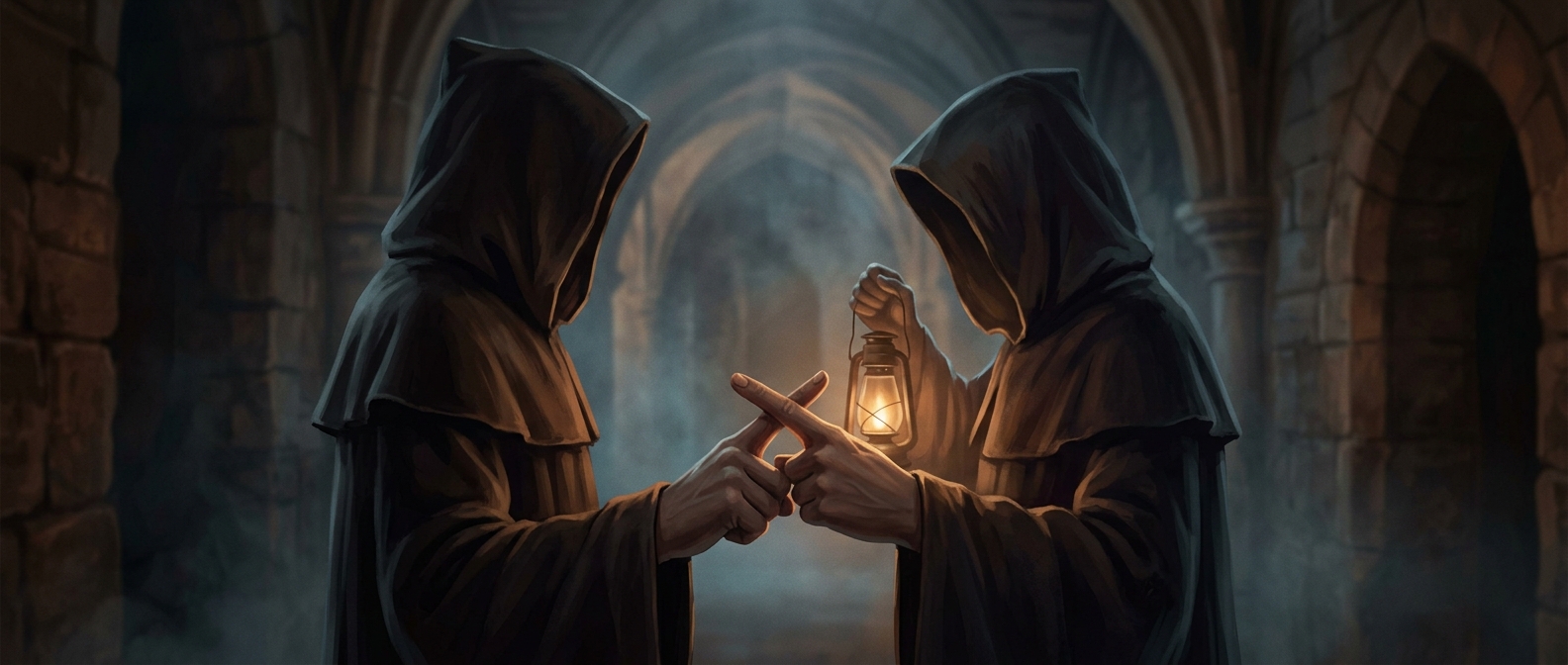
Crossing fingers turns an uncertain hope into a small physical act. In one familiar version, a person crosses the index and middle fingers while wishing for a good outcome; in another, people cross two objects or make them overlap. The gesture can serve as a private appeal for luck, or as a way to ask that circumstances go one’s way without making a formal request.
A portable ritual for uncertainty
The appeal is practical in its simplicity: no special place, equipment, or other person is needed. Someone waiting for news, facing a test, or hoping a plan succeeds can make the gesture in a moment. It gives an invisible wish a visible form—and a brief action to perform while the result remains out of their hands.
That does not mean the gesture changes events by a proven supernatural mechanism. Its significance lies in how people use it: as a sign of hope, a personal ritual, or a playful way to acknowledge that luck matters to them.
Why the gesture travels
Because it is quick and easy to recognize, crossing or overlapping things can work as a compact signal even when people do not share a formal ceremony. The specific object may change, but the idea remains: make a small connection in the hope of a favorable one in the world. It is a modest act, but that is exactly what makes it easy to repeat whenever uncertainty returns.