The balance becomes a claim against the estate
A person’s death does not make a large credit-card balance vanish on the spot. The account is still owed, but the person’s estate—the money and property they leave behind—now handles the debt. The executor or other estate representative gathers the assets, notifies creditors, and settles valid claims through the legal process for administering the estate.
Credit-card debt is generally unsecured: it is not tied to a specific asset, such as a house or car. The issuer can seek payment from the estate, but that does not automatically give it a right to take money from a relative’s own account.
Heirs are not usually responsible personally
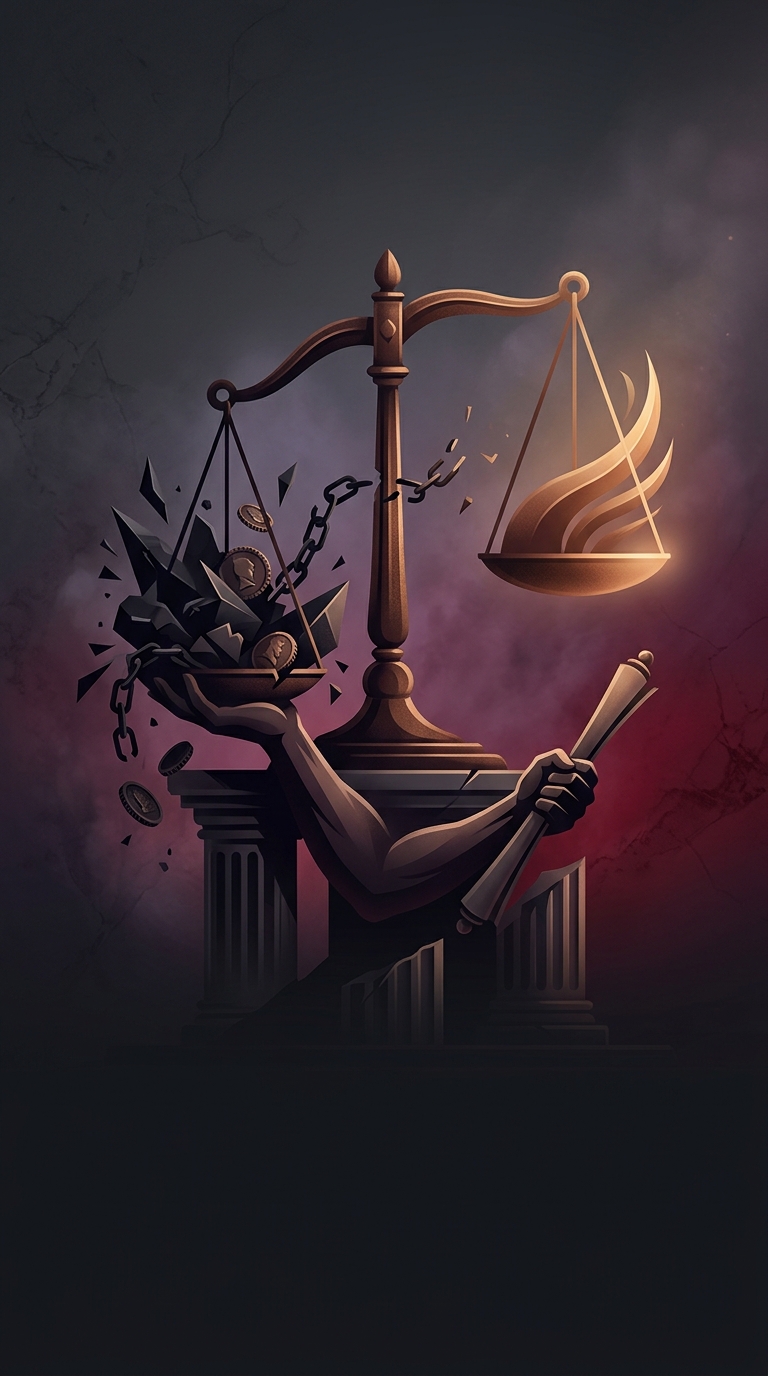
The estate’s debts are generally paid before heirs receive what remains. If the estate has enough assets, some of them may be used to pay the card balance. If it cannot pay everything, state law determines how available funds are distributed among creditors. A card issuer may receive only part of what it is owed—or nothing—and the unpaid remainder generally cannot be collected from heirs simply because they are family.
There are important exceptions. Someone who jointly borrowed on the account may be responsible for the balance. An authorized user, who was allowed to use another person’s card but did not jointly borrow, is generally not liable just for being an authorized user. Rules can also vary by state, including for spouses in some circumstances.
Why the timing matters
A large balance can reduce or eliminate an inheritance, even when no relative has to pay it personally. The representative must identify the estate’s assets and obligations, and creditors may need to make claims before the estate can be fully settled. The debt follows the deceased person’s estate, not automatically the people left behind. If the estate runs out of money, heirs may receive less—or nothing—but the unpaid card balance generally does not become their bill.