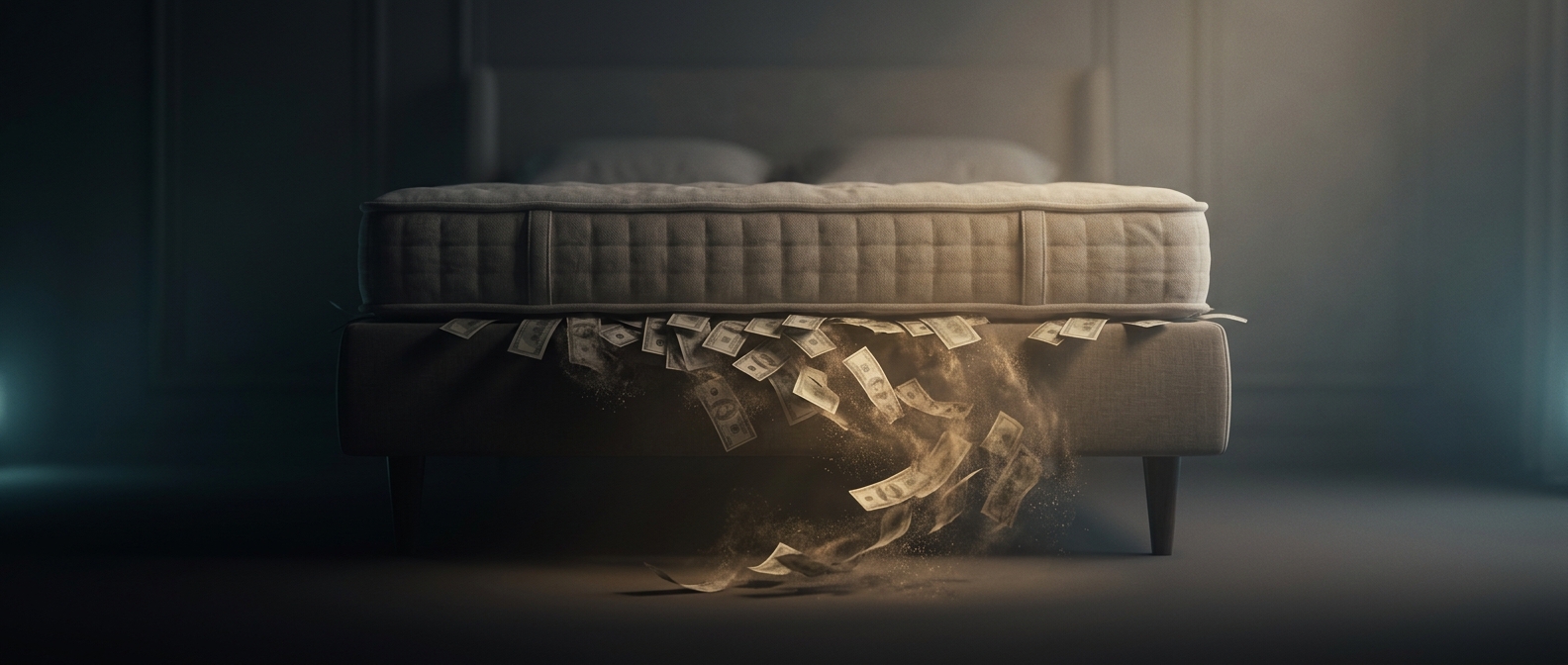
Why a used purchase can beat a rising price tag
Buying secondhand can be a way to sidestep part of an item’s steepest price drop. A new car, couch, or stroller is priced for its unused condition and may also include the retailer’s costs for delivery, stocking, and sale. Once it has an owner, it becomes a used item—even if it has seen little use. The next buyer is comparing it with other used goods, not paying the original new-item premium.
That change in status can matter when prices are rising. Inflation pushes up the cost of newly made goods, but it does not automatically lift every used item by the same amount. A pre-owned product may still be available at a discount to its new counterpart, especially when the seller needs to make room or wants a quick sale. The discount is not guaranteed: popular models, scarce supply, and strong local demand can keep used prices high.
The lower price comes with a different kind of risk
A secondhand purchase trades some certainty for savings. The buyer may have less warranty coverage, no easy return option, and limited information about wear or repairs. With a car, hidden mechanical problems can erase the discount; with furniture or baby gear, condition, cleanliness, and whether the item meets current safety guidance matter.
A useful comparison is the cost of owning the item, not just the sticker price. Check the condition, likely repair costs, included accessories, and any protections that come with buying new. The first owner may absorb the sharpest fall in resale value, but the second buyer still has to judge what remains: a sound item at a fair price, or a cheap purchase that will soon need replacing.