Why Cash Loses Buying Power
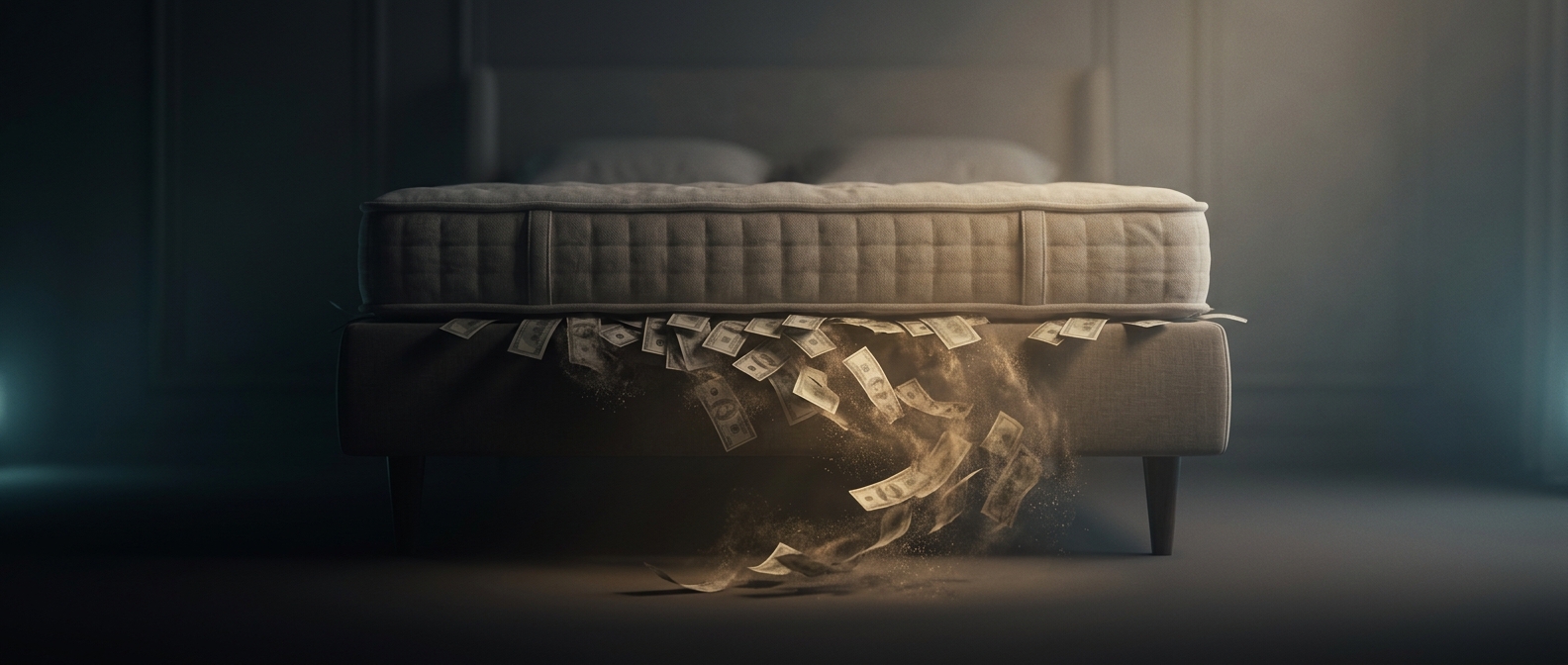
A dollar bill does not shrink when it sits under a mattress, but the amount it can buy may. Inflation is a broad rise in prices over time: when groceries, rent, and other costs increase, each dollar covers a smaller share of them. The cash’s face value stays the same; its purchasing power—what it can actually buy—falls.
What Causes the Loss
Prices can rise for different reasons. When demand for goods and services outpaces what businesses can supply, sellers may raise prices. Costs such as wages, fuel, or materials can also increase and be passed along to customers. As these changes spread through the economy, a fixed pile of cash buys less than it did before.
The loss is gradual, not a daily fee deducted from the bills. Some prices may hold steady or even fall, and inflation varies over time. But if the overall cost of living rises while the cash earns no interest, its real value declines.
The Trade-Off of Keeping Cash
Cash is immediately available and avoids the risk of an investment losing value, which can matter for emergencies or near-term expenses. The trade-off is that hidden cash earns nothing to help offset rising prices—and it can also be lost, stolen, or damaged. Keeping a reserve can be useful; treating it as a way to preserve long-term buying power is a different bet.
A stack of bills may look unchanged years later, yet the grocery basket it can pay for may be smaller.