Why a fast run is good live entertainment
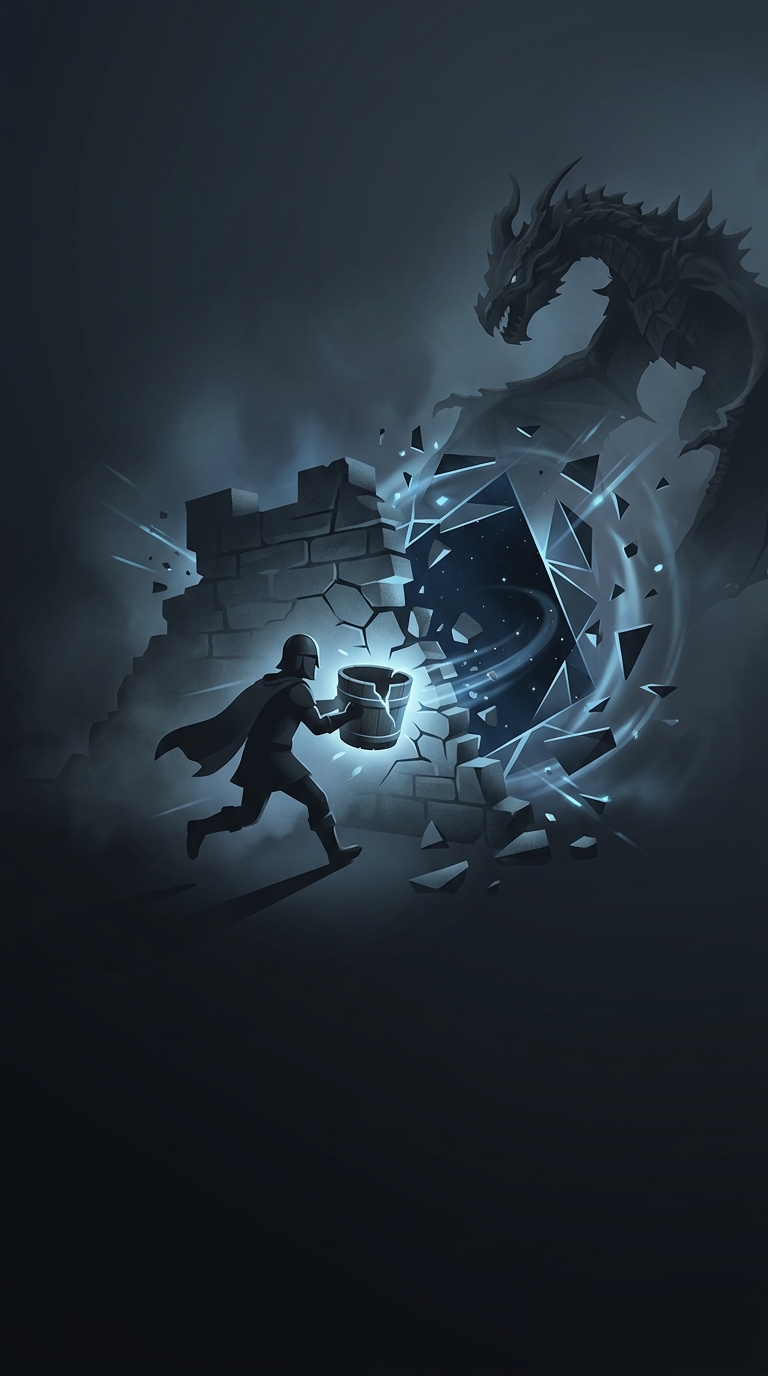
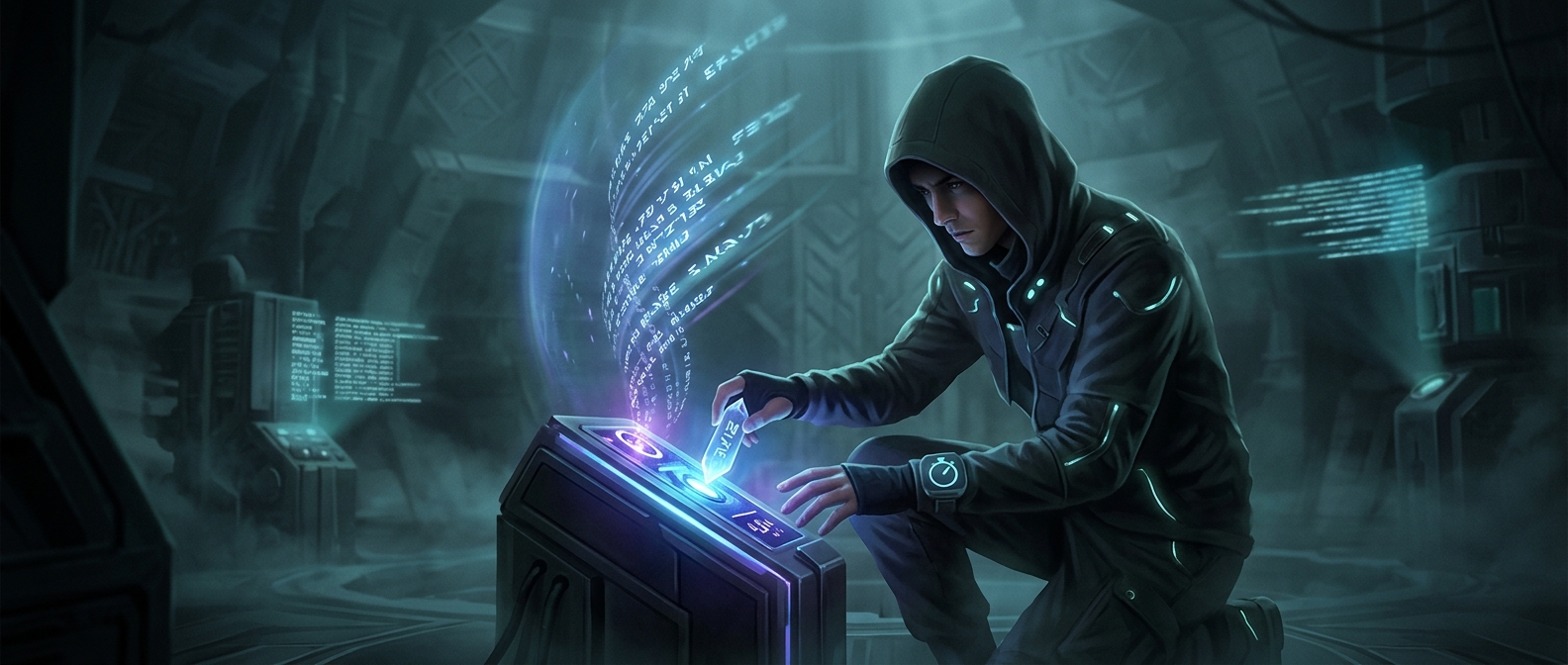
A speedrun is not simply a player moving quickly. Runners learn a game’s rules so thoroughly that they can route around ordinary play: skipping optional areas, triggering useful glitches, or performing precise sequences that save time. A marathon puts that expertise onstage, where an audience can watch the plan unfold—and see the runner adapt when a risky maneuver goes wrong.
That makes the event unusually easy to follow in short bursts. Commentary can explain what a trick does just before it happens, while the game supplies a visible clock and clear milestones. Even viewers who have never played the title can grasp the basic drama: Will the runner make the jump? Will the strategy hold?
How donations become part of the run
The broadcast can connect contributions to specific choices: which character to use, whether to attempt a difficult challenge, or which ending to pursue. These are donation incentives—small decisions that let viewers influence what happens without taking control away from the runner. A goal also gives supporters a shared target to push toward, turning the chat and the live audience into part of the performance.
The format works because the incentives fit around a tightly planned schedule. Runners need time to explain techniques and recover from mistakes; organizers need a program viewers can dip into; donors need a visible way to affect the event. A well-chosen incentive adds suspense without derailing the run.
Skill becomes a shared spectacle
The runner supplies precision, but the community supplies context: commentary translates obscure mechanics, and viewers recognize the effort behind a seemingly effortless shortcut. The result is more than a record attempt. It is a live demonstration of how deeply people can understand a game—and an occasion where that understanding gives an audience something concrete to support.