A board game made of bodies
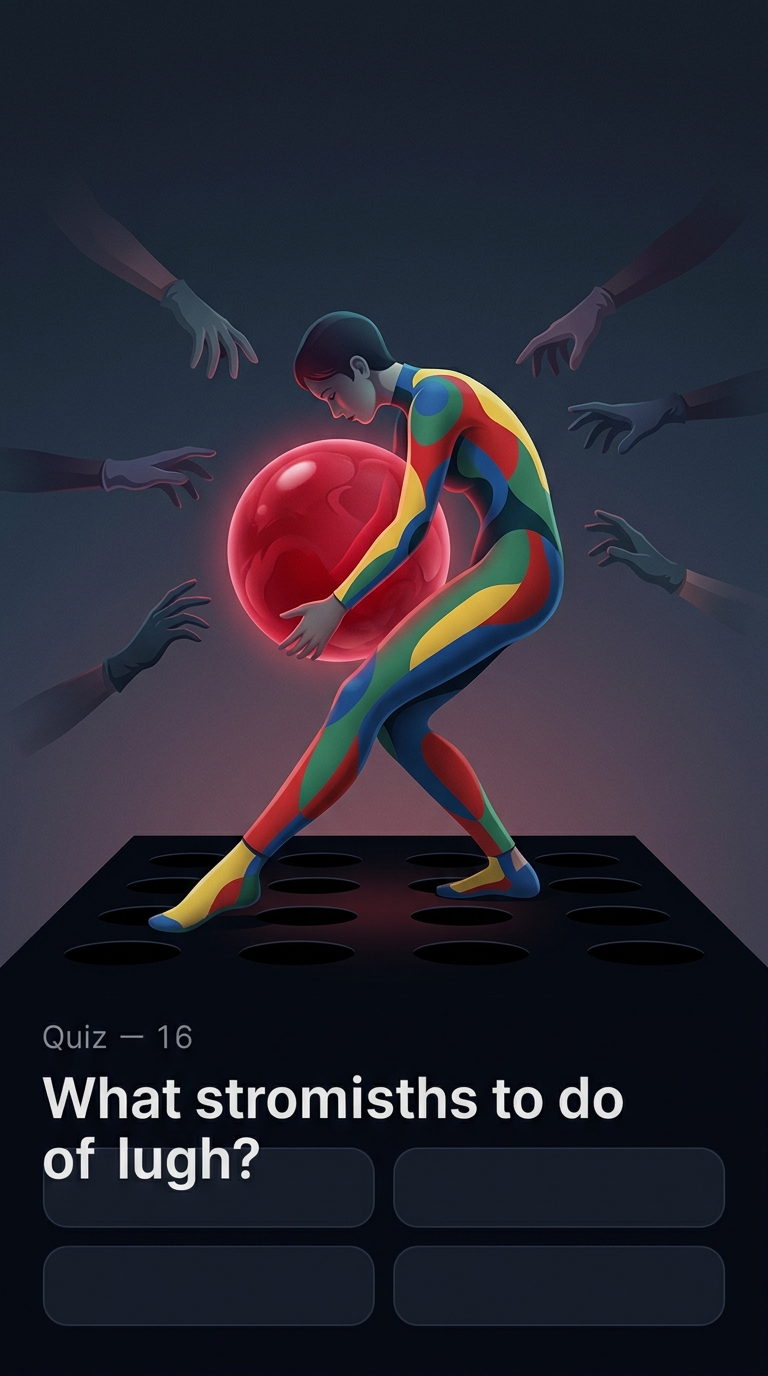
Twister’s unusual trick was to remove the board from the floor and put it under the players. A spinner tells each person which hand or foot to place on a colored circle. As turns accumulate, players stretch across one another, twist into cramped positions, and try not to fall. The game’s challenge comes not just from balance but from sharing close physical space with people who might otherwise keep a polite distance.
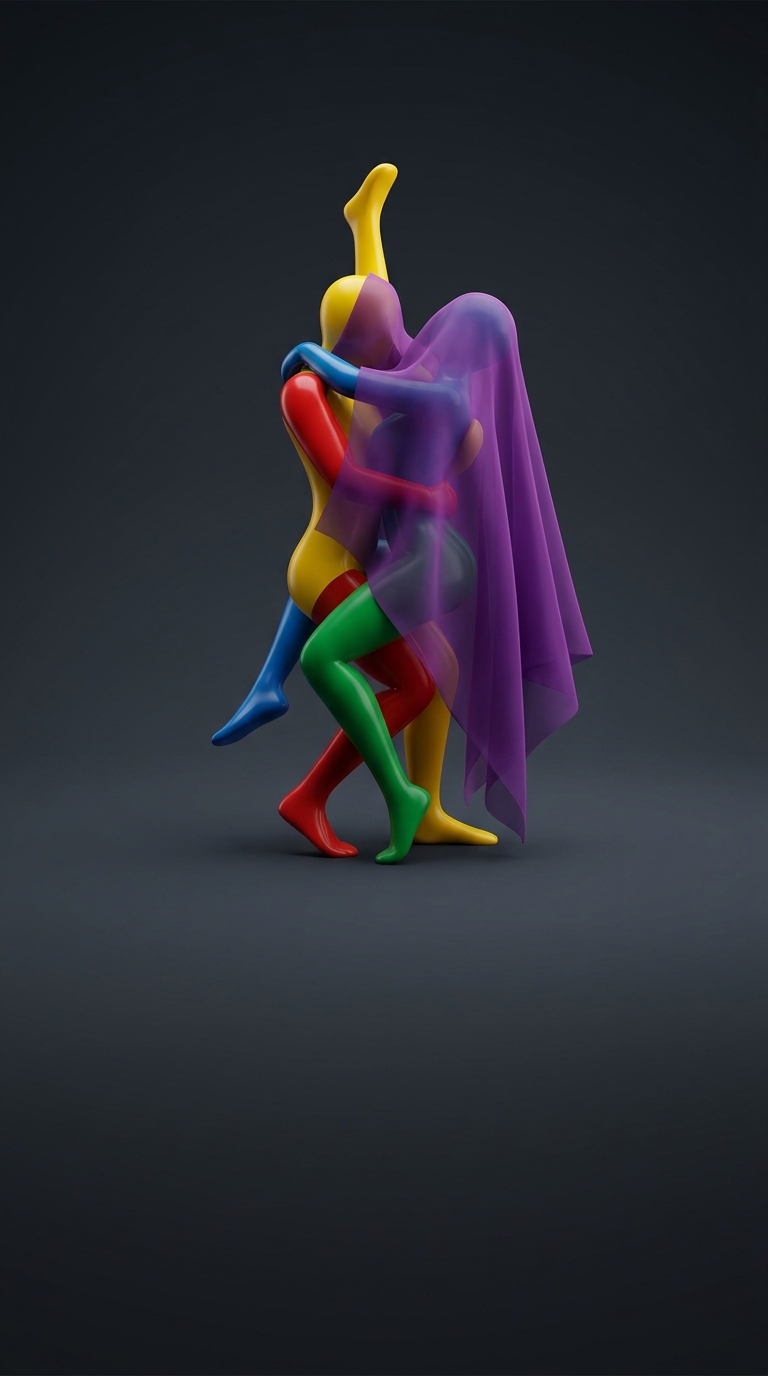
That made the laughter part of the design—and made the game easy to misread. The rules involve no romance, but the spectacle is unmistakably intimate: limbs overlap, faces come close, and players may end up pressed together. The game turns ordinary movement into a public performance, with the body itself serving as both playing piece and playing surface.
Why that looked provocative
In the mid-century setting described by the criticism, respectable social behavior placed importance on keeping physical boundaries, especially between men and women. Twister made those boundaries hard to maintain while framing the contact as harmless play. Its awkwardness was visible to anyone watching, not just to the people taking turns.
The scandal, then, was less about what players were asked to do than what the game made them look like doing. Twister’s central joke was that a simple rule could produce a tableau of tangled bodies—and let everyone claim it was only a game.