A Game That Put Players on the Floor
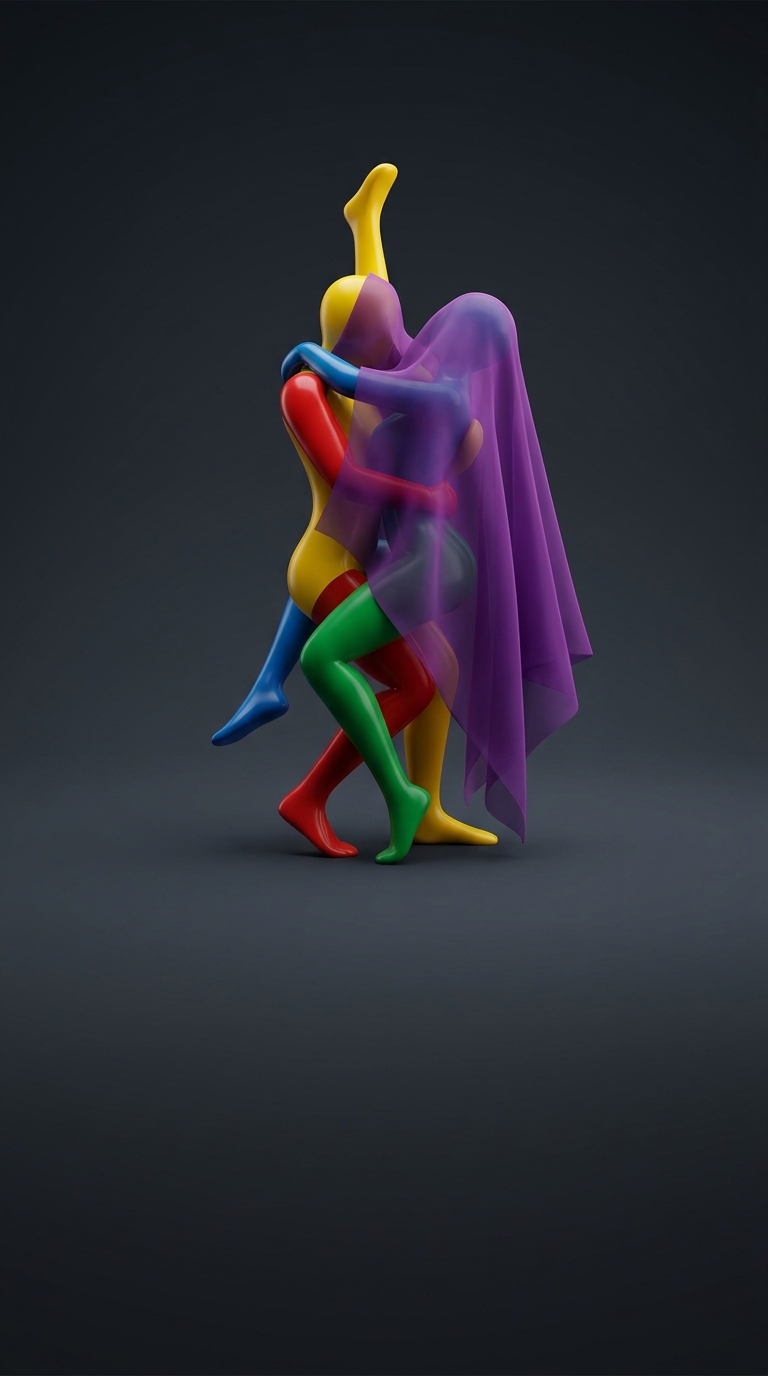
Twister’s novelty was not a board or a set of pieces. Players themselves became the pieces, placing hands and feet on colored circles as a spinner directed their moves. As the mat filled, keeping balance could bring opponents close together—or leave them tangled in an awkward pose.
That physical setup made the game easy to understand but hard to mistake for a conventional tabletop pastime. Its appeal depended on bodies moving and touching in public, an unusual premise for a mass-market family game in 1966.
Why Competitors Called It “Sex in a Box”
The accusation was a put-down: rivals suggested the game was selling sex, not merely entertainment. The joke pointed to what made Twister distinctive. Its rules were simple, but playing meant accepting the possibility of intimate, conspicuous contact with other people.
That tension also gave the game a memorable identity. Twister turned a living room floor into a playing surface and made physical awkwardness part of the challenge. What competitors treated as a liability became the feature players remembered: in Twister, getting tangled was not a mishap—it was part of the game.