Why a Small Luxury Can Survive a Big Cutback
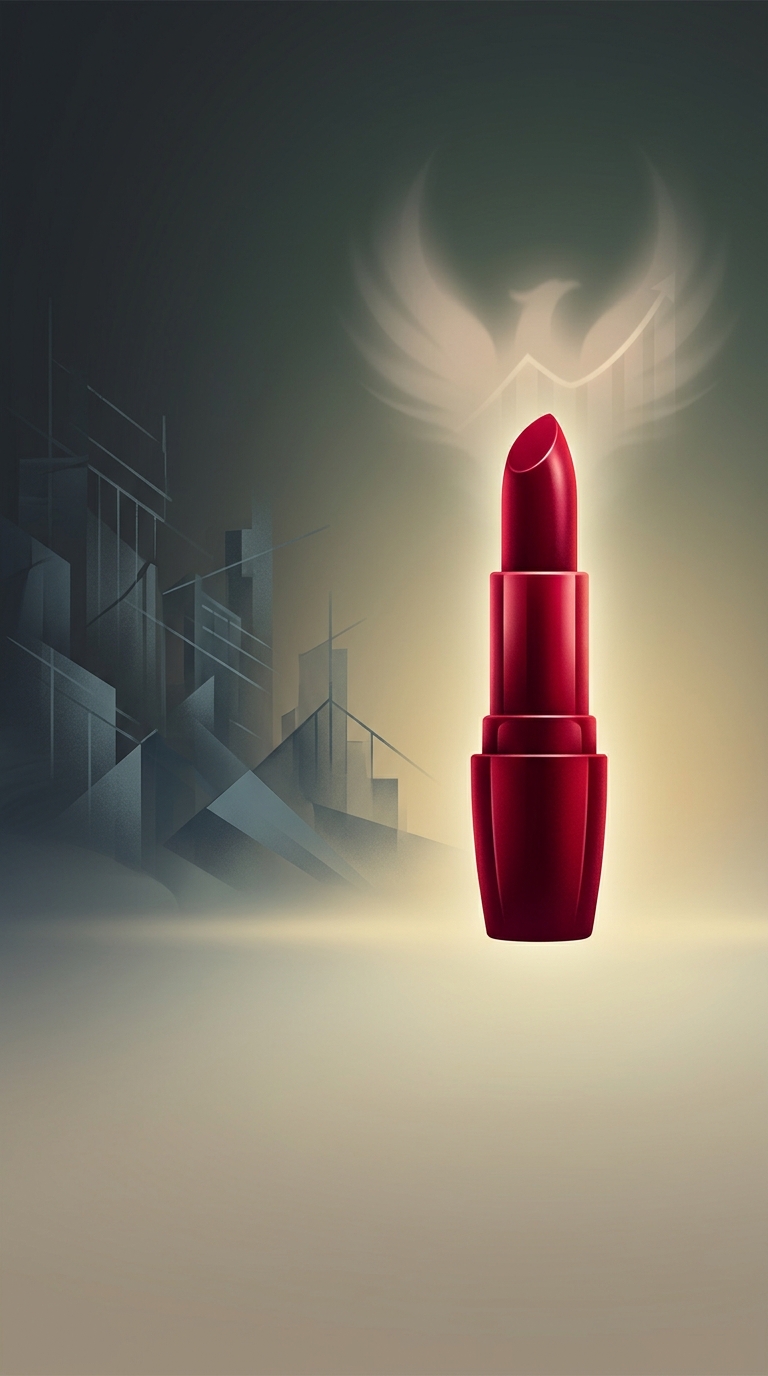
When money feels uncertain, households often postpone purchases that would reshape their finances: a new car, a kitchen renovation, or an expensive trip. A lipstick sits at the other end of the budget. It can deliver a visible, personal sense of novelty for far less money, so shoppers who are giving up larger treats may still make room for one small indulgence.
That is the economic logic behind the lipstick effect: some premium beauty purchases can hold up—or even rise—when consumers pull back elsewhere. The appeal is not just the product itself. A modest purchase can offer a feeling of control and normalcy at a moment when bigger plans seem risky or out of reach.
A Shift in Spending, Not a Recession-Proof Rule
The effect is best understood as a possible change in what people buy, not a guarantee that lipstick sales increase in every downturn. Its strength depends on who is shopping, how worried they feel, and whether the products still seem affordable. If a recession cuts income sharply, even small luxuries may be dropped; if consumers merely become cautious, inexpensive treats may fare better than major purchases.
For beauty companies, that difference matters. A lipstick may be a lower-cost way for a customer to try a premium brand than a larger item, while still carrying the emotional promise of a treat. But sales alone cannot show why a shopper bought it: a rise might reflect product launches, promotions, or changing tastes as well as recession-era trade-offs. The revealing point is the contrast—when big-ticket plans feel unsafe, a small purchase can preserve a little of the pleasure those plans once promised.