What the stylus is actually picking up
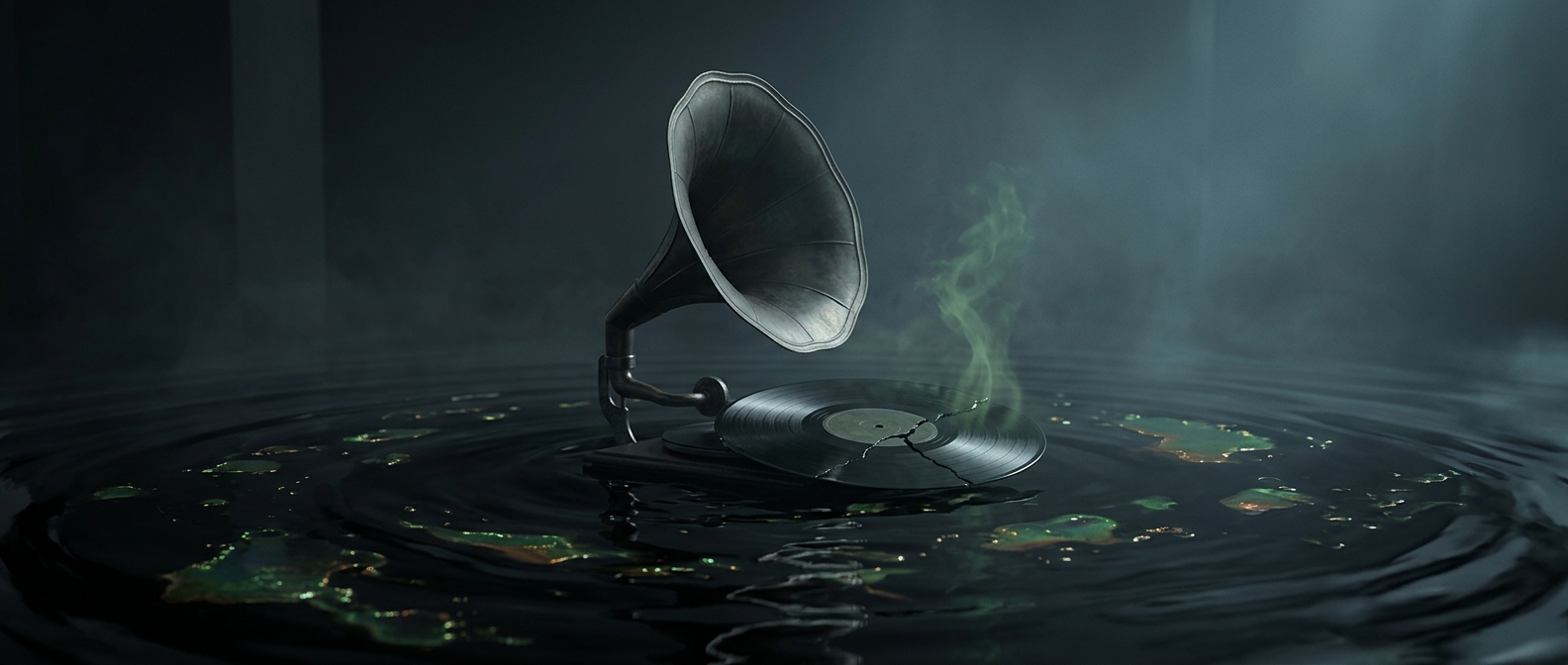
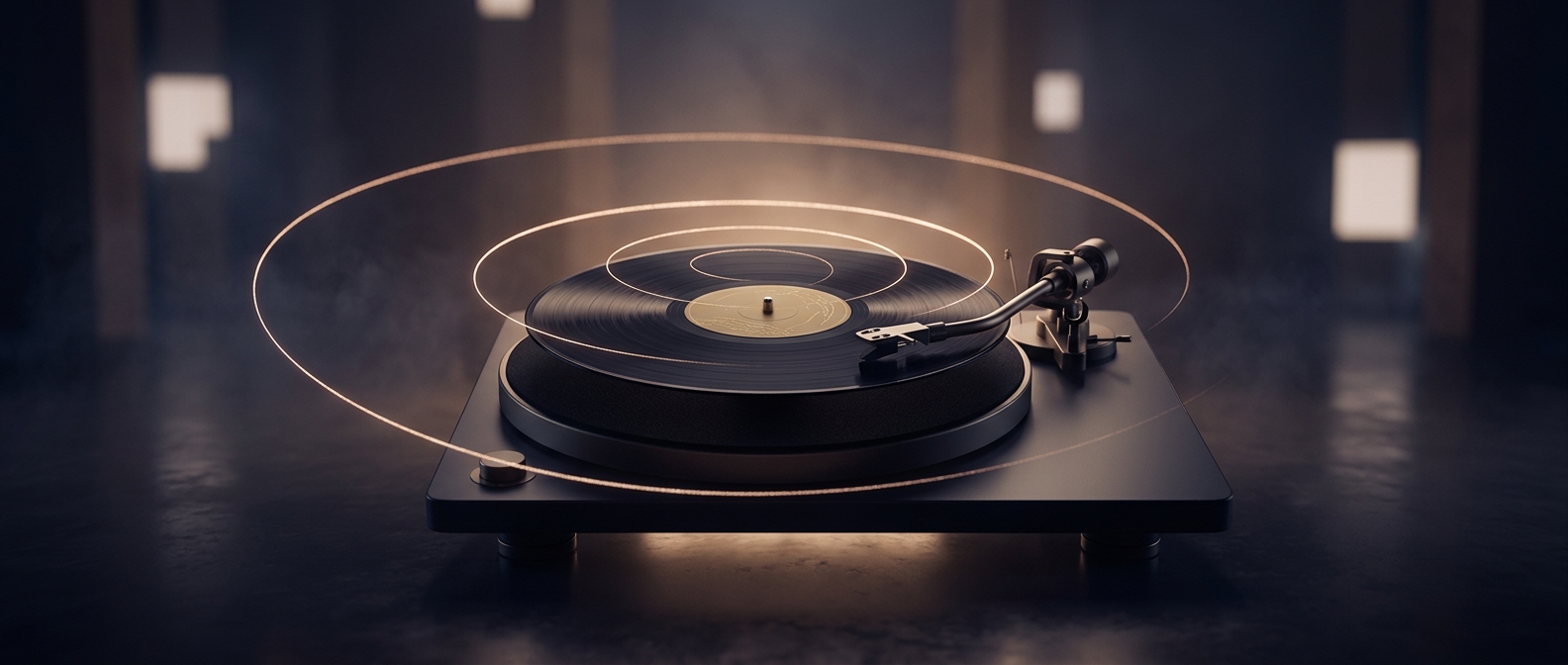
A record’s groove is a tiny, continuously changing track. As the stylus follows its walls, those changes make it vibrate; the cartridge turns the vibrations into an electrical signal that becomes sound. The music is encoded in the groove’s carefully shaped motion. Crackles and pops come from unwanted disturbances—such as dust, static, scratches, or small pressing flaws—that jostle the stylus.
That distinction matters: surface noise is not a required ingredient of vinyl playback. A clean, well-kept record can be very quiet, and some recordings add crackle as an effect without relying on noise from the disc itself.
Why an imperfection can feel like part of the experience
Listeners may come to associate a faint hiss or occasional pop with the physical ritual of playing a record: taking it from its sleeve, placing it on the turntable, and lowering the arm. The noise can make playback feel tangible, as if the music is arriving through a physical object rather than appearing instantly from a file. Familiarity also matters: once a listener expects that texture, its absence may make a record sound less characteristic.
The appeal is therefore partly emotional, not acoustic. Crackle can add a sense of warmth or age for some listeners, but it does not reveal that the music itself is more authentic—and louder or persistent noise can simply obscure detail. A little surface noise may be welcomed; the same noise, heard as a scratch repeating on every rotation, is usually a sign of a problem to fix.