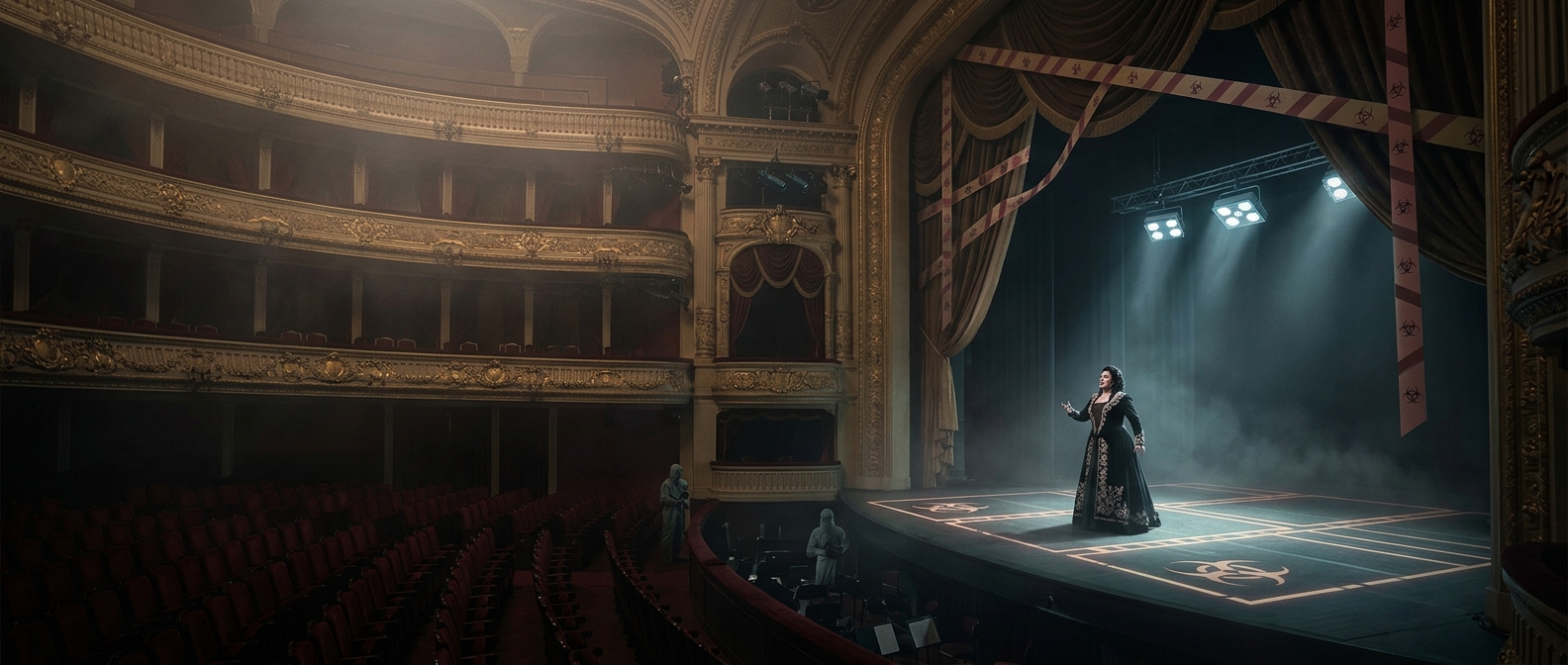
A movie theater is part of the incident record, not the diagnosis
A fall on spilled soda can produce several different injuries, from a bruise to a broken wrist. The place where it happened does not tell a clinician which injury occurred or how severe it is. That is why medical documentation separates the injury itself from details about the circumstances.
In the coding system used for medical records, Y92.213 identifies a movie theater as the place of occurrence. It is a location code, not a diagnosis: it adds context to the record but cannot replace the code describing the patient’s actual condition.
Why record the setting separately?
The distinction lets a record preserve two kinds of information without confusing them. A clinician documents the medical problem; a separate code can capture where the event happened. That context may help describe patterns in injury data—for example, incidents associated with particular kinds of places—while keeping the patient’s injury clear.
The code alone does not explain what caused the fall, whether the floor was unsafe, or who was responsible. It records the setting. In this case, the medical record can say both what happened to the person and that the incident took place in a movie theater.