Mana Was Power Made Present
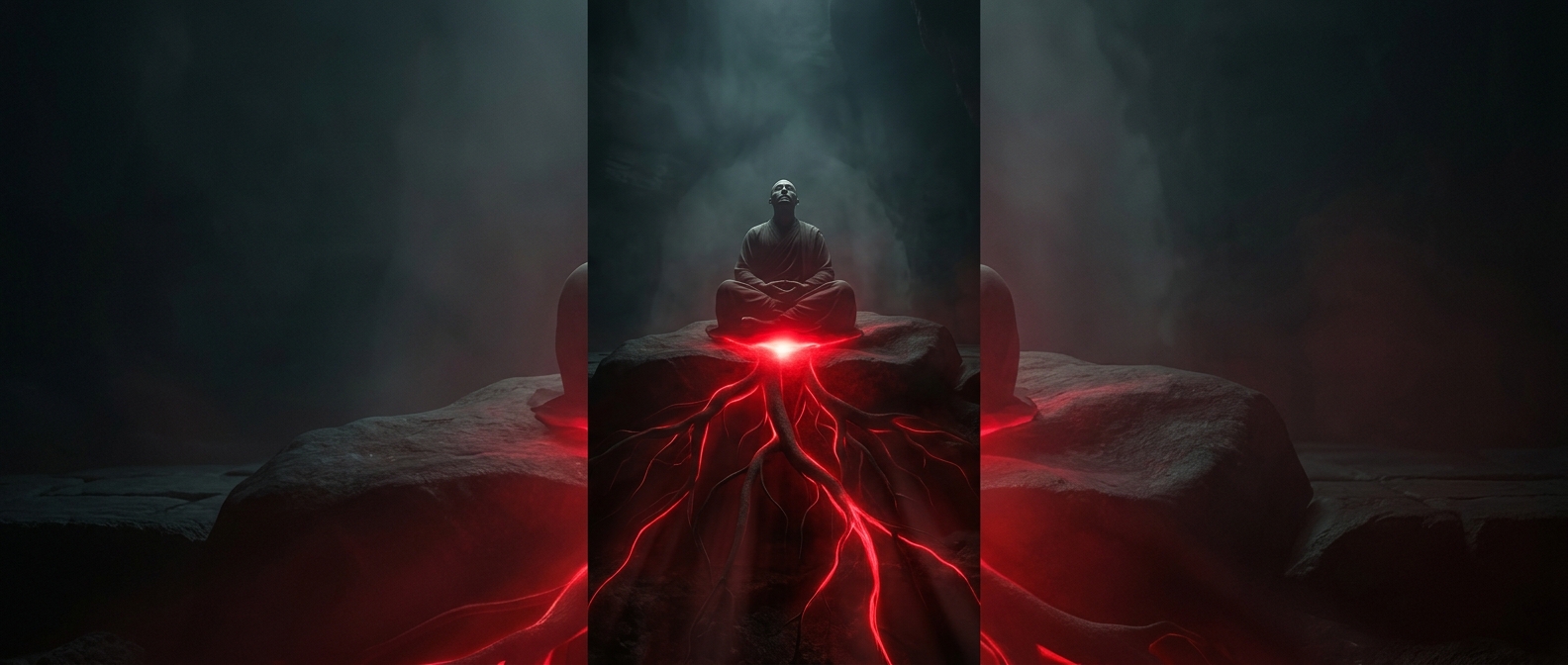
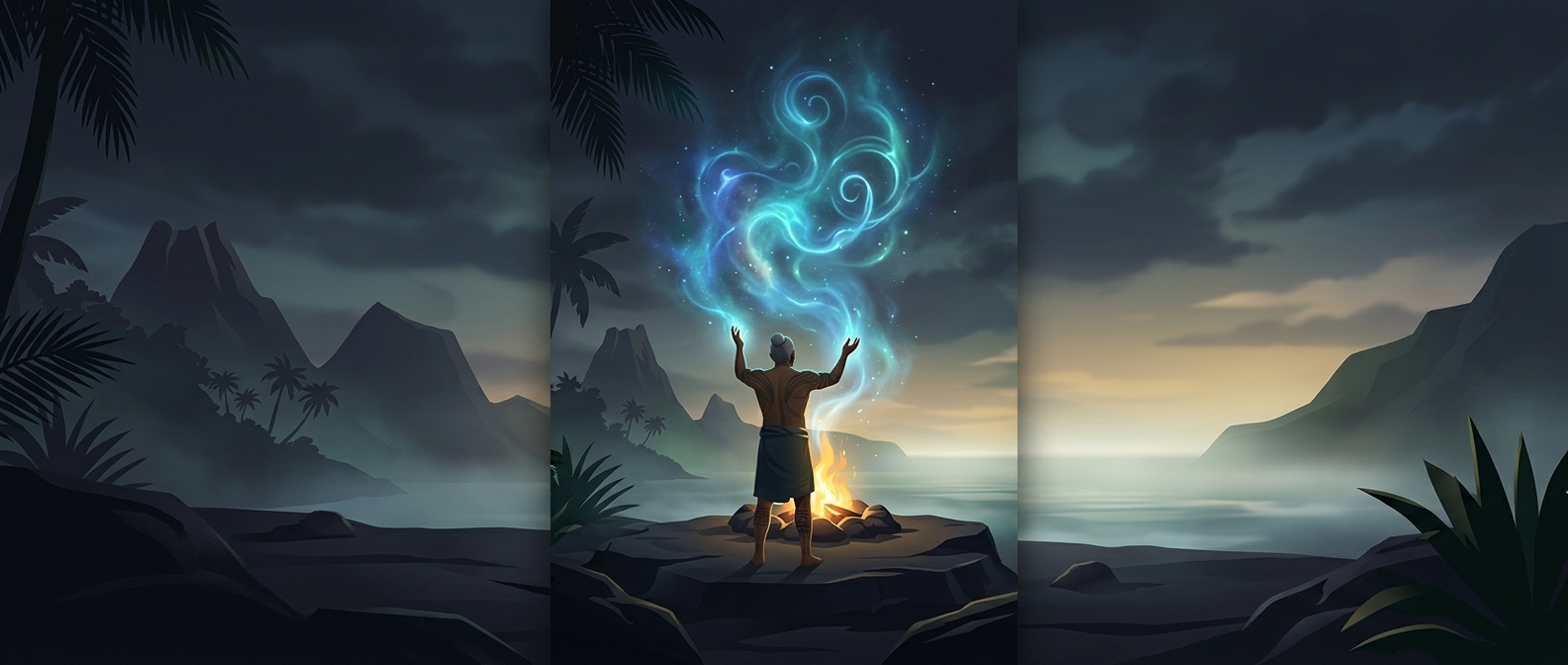
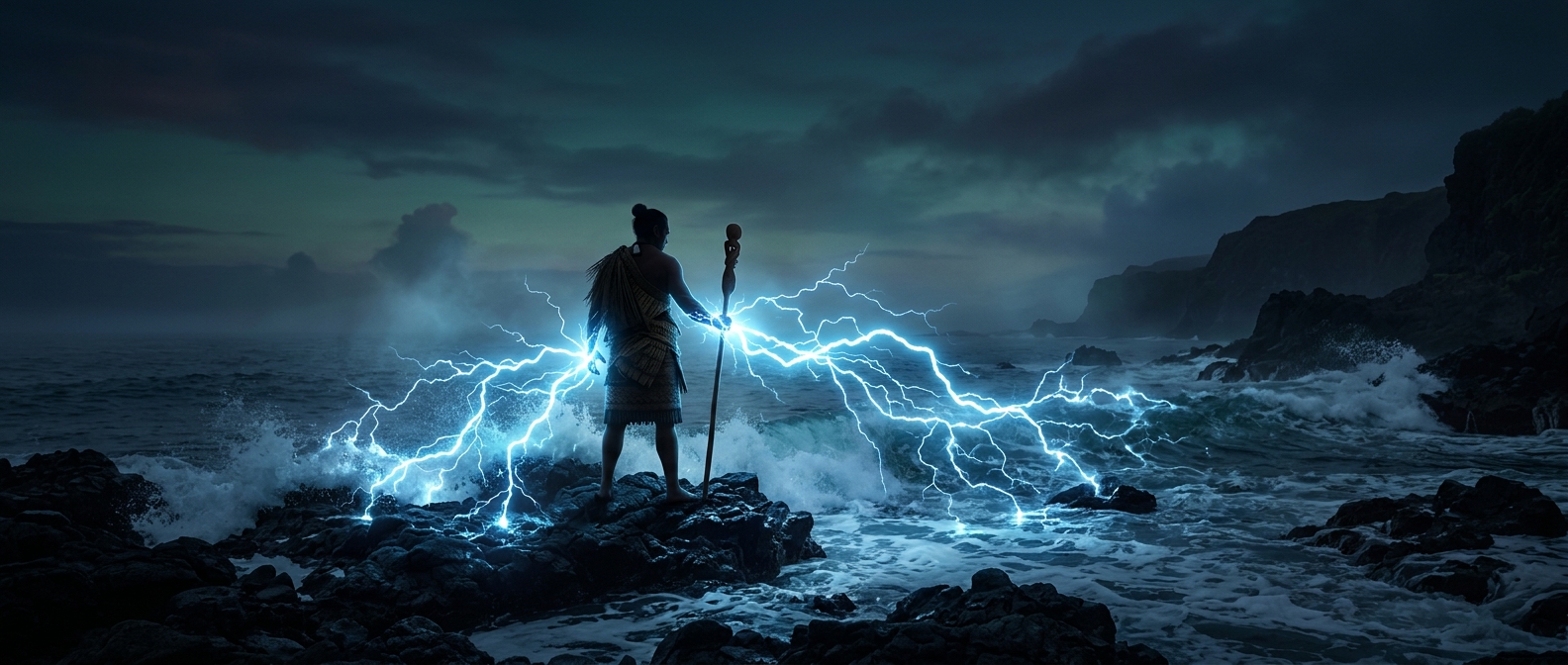
In many Polynesian traditions, mana meant effective spiritual power: a capacity associated with people, objects, and actions that could produce consequences in the world. It was not electricity in the modern physical sense. Calling it a tangible force captures how seriously people treated it, but risks making a varied set of traditions sound like one uniform doctrine.
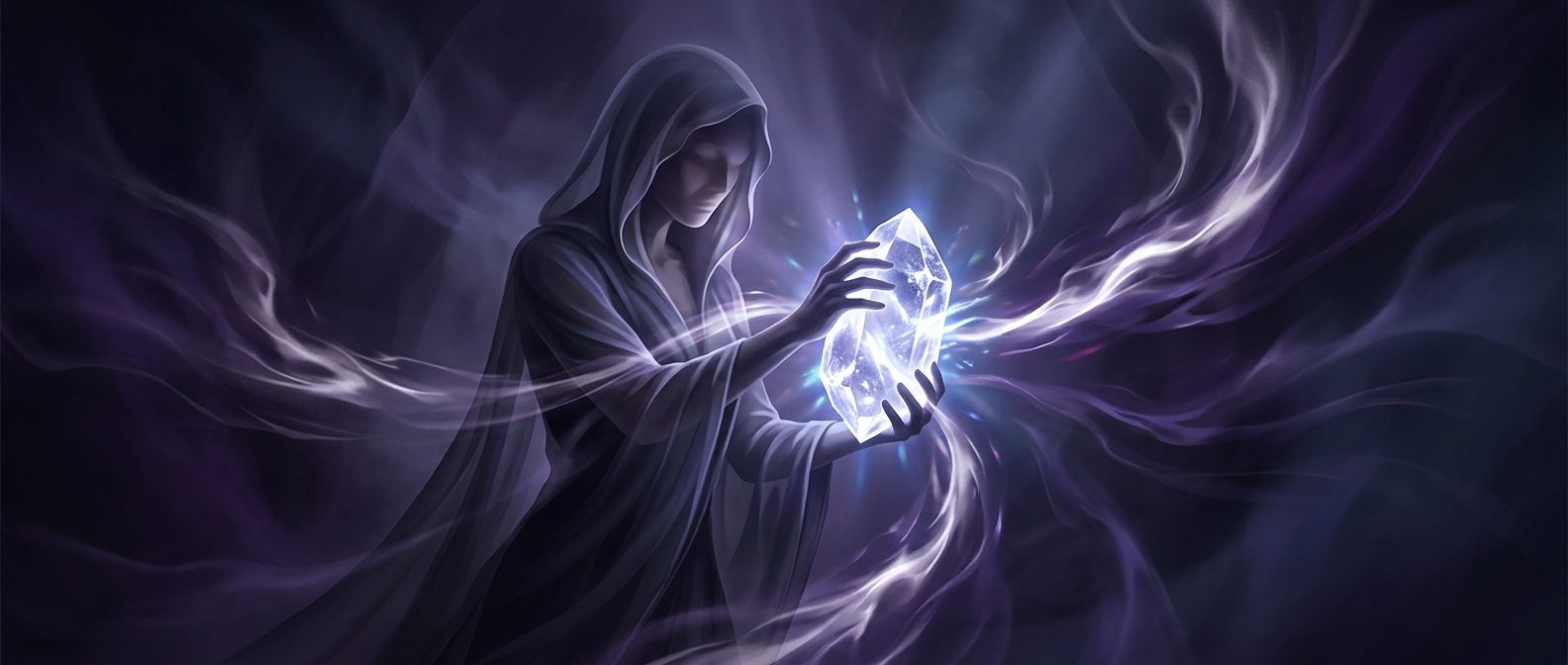
A chief might be understood to possess exceptional mana through ancestry, rank, and deeds. Sacred objects could also carry mana, linking them to a person, lineage, or place. The idea made authority more than a title: it could be experienced as a real potency that demanded care and respect.
Why Touch Could Be Dangerous
Mana was closely connected in some settings with tapu—a state of restriction or sacred protection. Rules about who could touch a chief, handle an object, or enter a place helped keep powerful relationships from being violated. An ordinary person touching a high chief might be believed to suffer harm, including death; the danger was understood spiritually, not as an electric shock.
Such restrictions also shaped everyday conduct. They marked boundaries between people of different rank and helped protect chiefs and sacred things from casual contact. Breaking a rule could threaten not only an individual but the order and well-being associated with the person or object.
Mana did not have exactly the same meaning across Polynesian peoples or in every circumstance. But the central idea is striking: power could be treated as something present in relationships and things, with practical consequences. A taboo against touching a chief was therefore not just a gesture of deference—it was a boundary people believed could keep dangerous power in its proper place.