Why the shrimp goes into the pot first
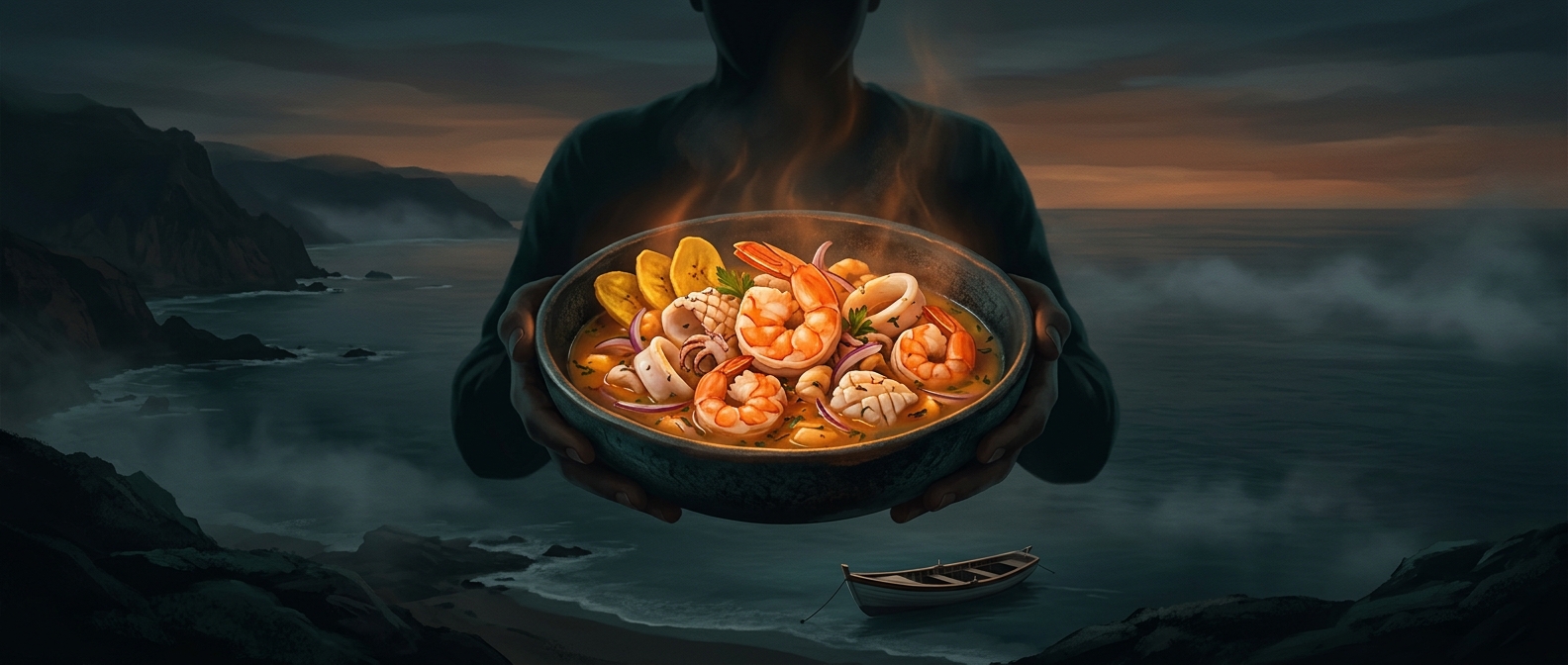
In many Ecuadorian shrimp ceviches, boiling gives the shrimp its cooked texture before the citrus is added. Heat makes muscle proteins unfold and join together, turning the flesh firm and opaque. The cook can control that change with time and temperature; the lemon or lime marinade then brings acidity and flavor without having to do the work of cooking the shrimp.
That order also shapes the dish. Once cooled, the shrimp can sit with citrus and other ingredients, absorbing their sharp, fresh flavors while keeping the texture of boiled seafood. The marinade is a seasoning step, not simply a substitute for a pot of hot water.
Opaque doesn’t tell you what did the cooking
Acid can also alter proteins. It changes their structure and how they interact with light, making seafood look paler or opaque—much as heat does, though by a different route. So appearance alone cannot show whether seafood was heated: two different processes can produce a similar visual cue.
Nor does citrus make raw seafood equivalent to reliably cooked seafood. Acid may affect some microbes, but a marinade is not a dependable replacement for heat when the goal is to cook shrimp. In a boiled-shrimp ceviche, the distinction is simple: heat sets the shrimp’s cooked texture; citrus adds the tang.