Why cobalt can lead back to hand-dug mines
Cobalt is one ingredient in some electric-vehicle batteries, though battery designs differ and some use little or none. Much of the world’s cobalt has come from the Democratic Republic of the Congo, where industrial operations coexist with artisanal and small-scale mining: people extracting ore with hand tools, often outside large companies’ formal systems.
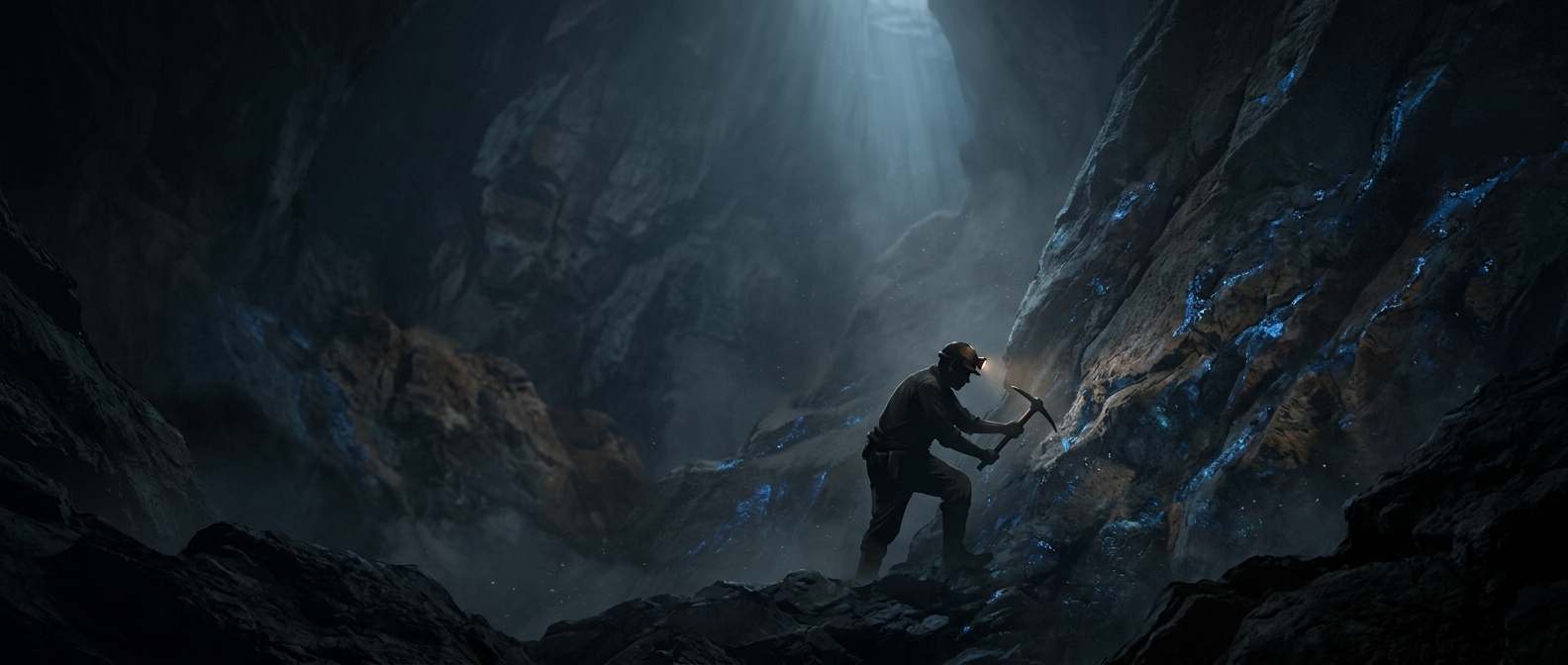
The economic pull is straightforward. Cobalt-bearing rock can be sold for cash, and informal mining may be one of the few ways to earn a living in places with limited alternatives. But workers can face unstable tunnels, falling rock, dust, and little protective equipment. The ore may then enter the same trading network as material from larger mines, making its origin difficult for buyers to distinguish.
The supply chain separates the buyer from the risk
A carmaker typically does not buy ore directly from an individual miner. Ore passes through traders and processors before cobalt becomes a refined material for battery production. At each step, it may be combined with material from other sources. That distance makes it harder to verify who mined a particular batch and under what conditions.
The result is a gap between a product’s clean image and the labor behind one of its ingredients. A battery can help reduce tailpipe pollution without guaranteeing that every mineral in it was obtained safely. The environmental benefit at the point of use and the conditions at the mine are separate questions.
Why the tradeoff matters
Avoiding cobalt altogether is not a simple answer: battery chemistry choices involve tradeoffs in performance, cost, and supply, and manufacturers’ designs vary. Meanwhile, excluding informal miners from legal markets can also threaten livelihoods without making the demand for cobalt disappear.
The practical challenge is to trace material more reliably, improve safety, and make responsible sourcing economically viable. Until that happens, a vehicle’s supply chain can carry a risk the driver never sees: the person who helped supply its battery may have worked underground with little protection.