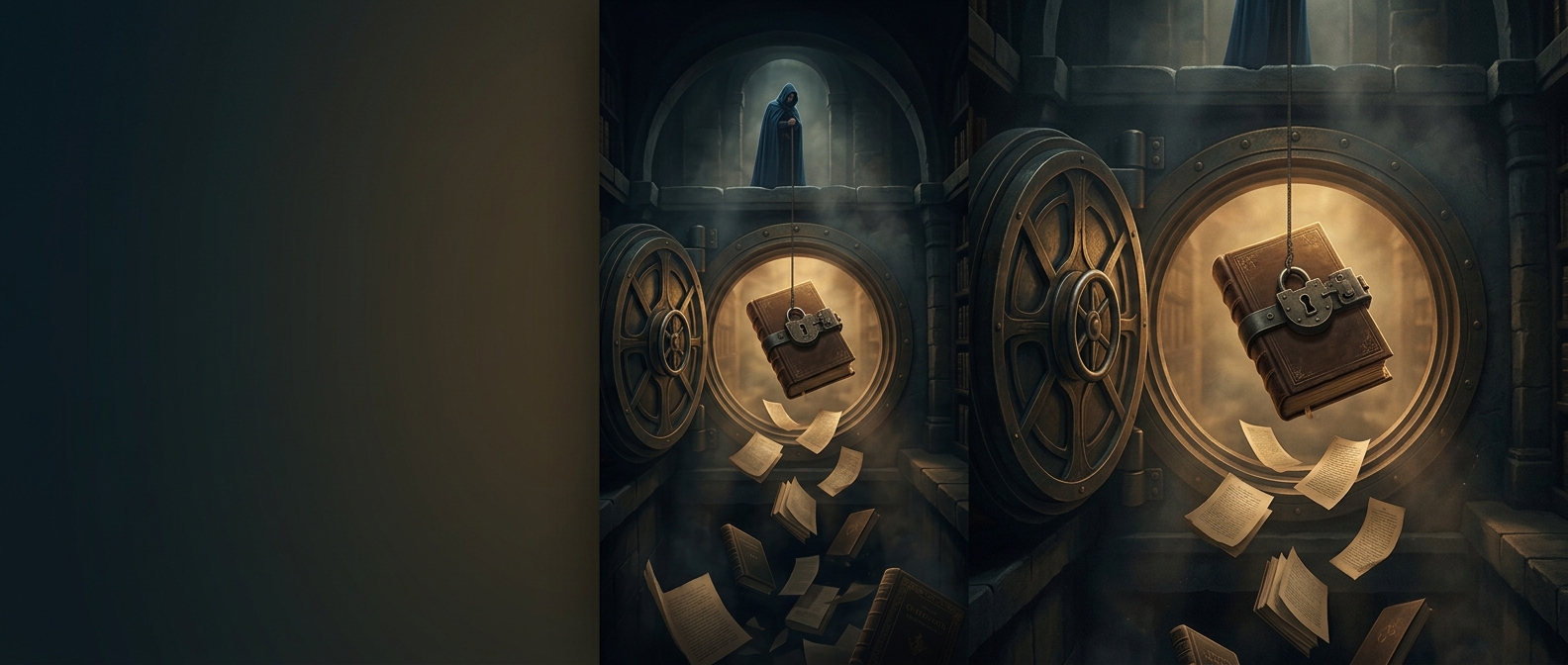
A manuscript becomes a secret before it becomes a book
A highly anticipated novel can pass through many hands before publication: an editor may need to revise it, a designer may need to plan its pages, and a publicity team may need material to promote it. Every person who sees an unreleased draft creates another possible route for a plot detail to escape. Publishers therefore try to limit both who can read the manuscript and what copies they can keep.
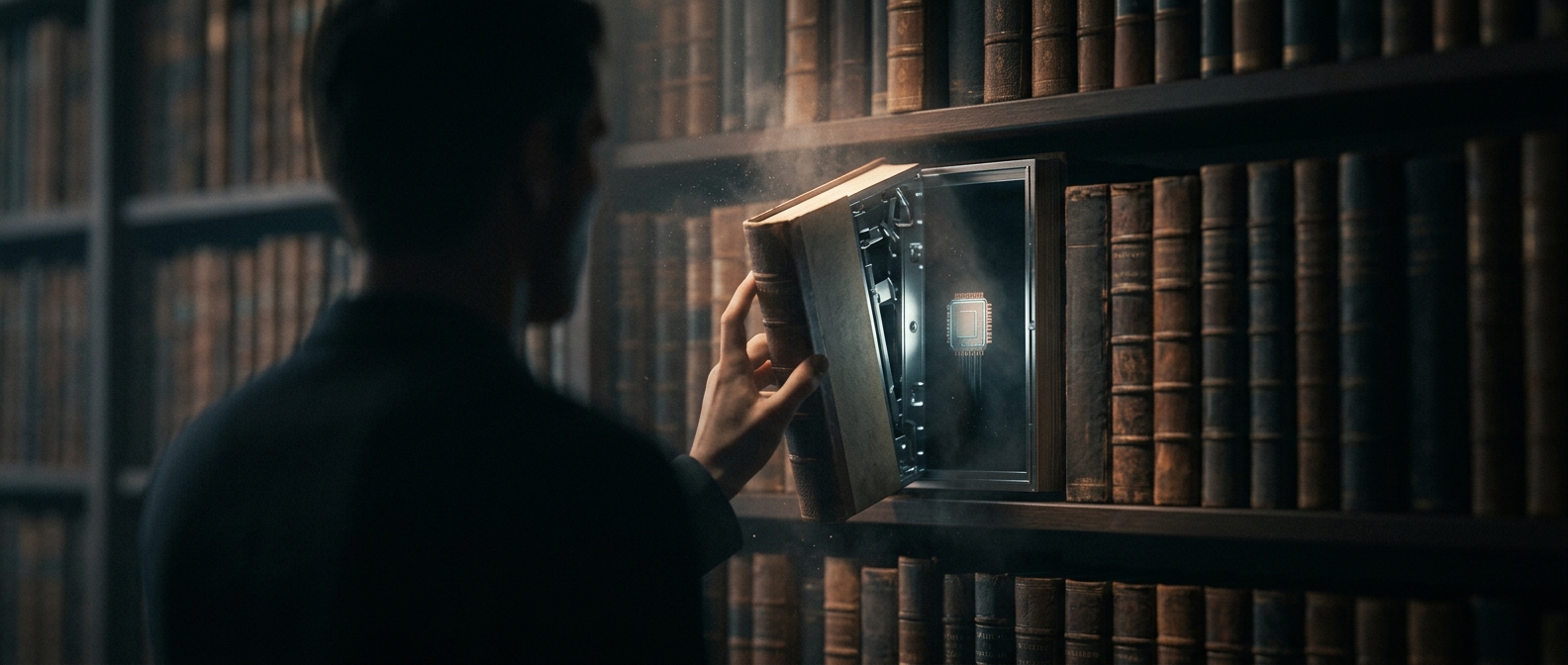
That can mean sharing a password-protected digital file with selected people, or allowing someone to read pages in a controlled space rather than take them away. A locked case adds a physical barrier; a secure room can reduce the chance that pages are photographed, copied, or left behind. These are precautions, not guarantees, and the approach depends on the project and the people who need access.
Secrecy has to coexist with making the book
A novel cannot be prepared for readers without being handled. Editors need to comment on the story, and production teams need to turn a manuscript into a finished book. Keeping access narrow can reduce the risk of a leak, but making the process too restrictive can slow essential work or make collaboration harder.
The goal is usually not to hide every word from everyone. It is to reveal only what each person needs, at the point they need it, while limiting unnecessary copies and circulation. The same logic applies to promotional excerpts: a short passage can build anticipation without exposing the turns the author wants readers to discover for themselves.
The stakes are the reader’s first encounter
A plot leak does not make a book unreadable, but it can change the experience of reaching a major reveal. For a story built around surprise, a brief detail can travel far beyond the original recipient once it is posted or repeated. The security measures are meant to preserve a simple privilege: letting readers meet the story in the order its author intended.