A Drink Is Part of the Conversation
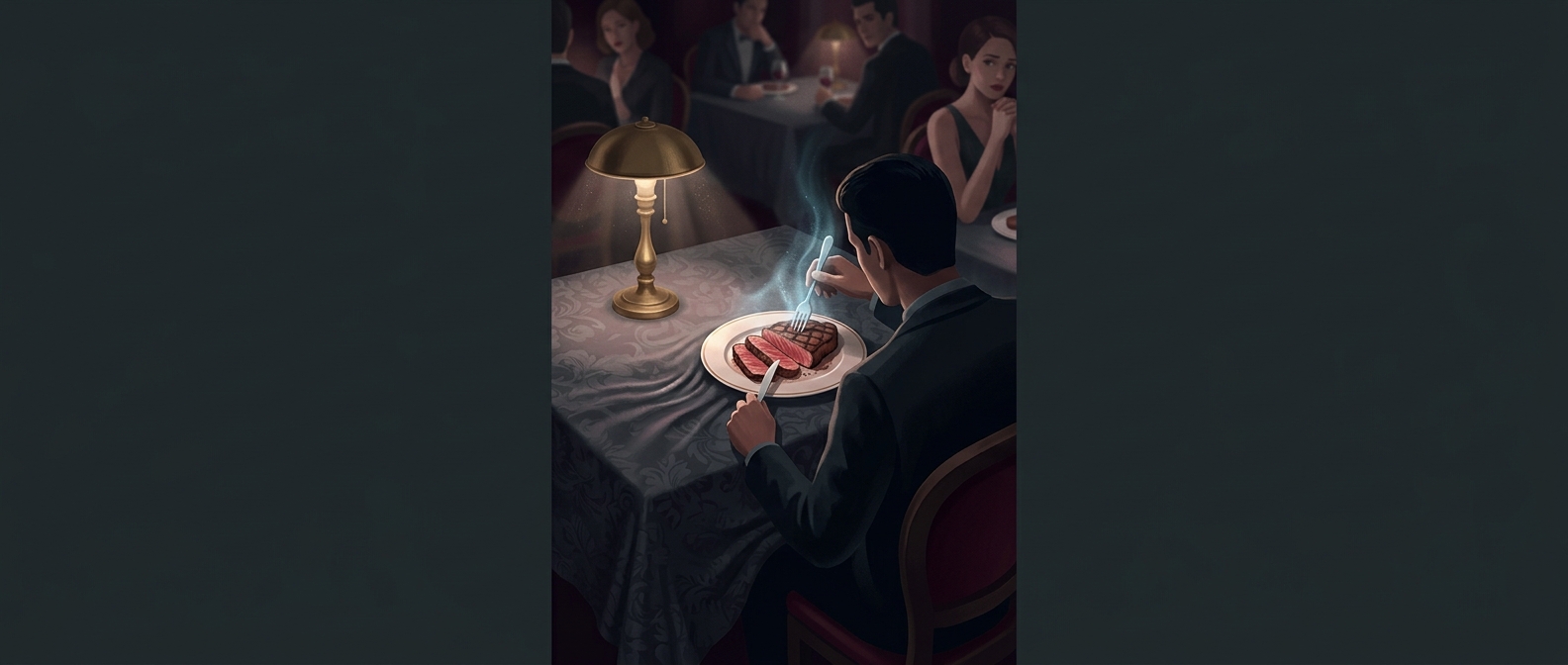
At a Korean dinner table, pouring is often treated as a small act of attention, not just a way to refill a glass. Guests watch one another’s drinks and take turns serving. Pouring for someone else creates a moment to acknowledge them; they can return the courtesy later. Filling your own glass can therefore look as though you are stepping out of that exchange, even if you meant only to be practical.
The ritual can also signal respect. When serving an older person or someone senior, a guest may use both hands to hold the bottle or support the pouring arm. These gestures make the act feel deliberate and considerate rather than casual.
Why Self-Pouring Gets a Superstitious Meaning
The warning about ending up without a romantic partner gives a memorable consequence to breaking the table’s social rhythm. It is best understood as a superstition attached to the etiquette, not a prediction about anyone’s love life. The underlying concern is more immediate: a person who pours only for themselves may seem uninterested in the company’s shared gestures.
The custom is not a rule that every person at every meal follows. But in a group where people are observing the exchange, waiting for someone else to notice an empty glass—and then returning the favor—can be part of the evening’s hospitality. The empty glass becomes a small invitation to connect.