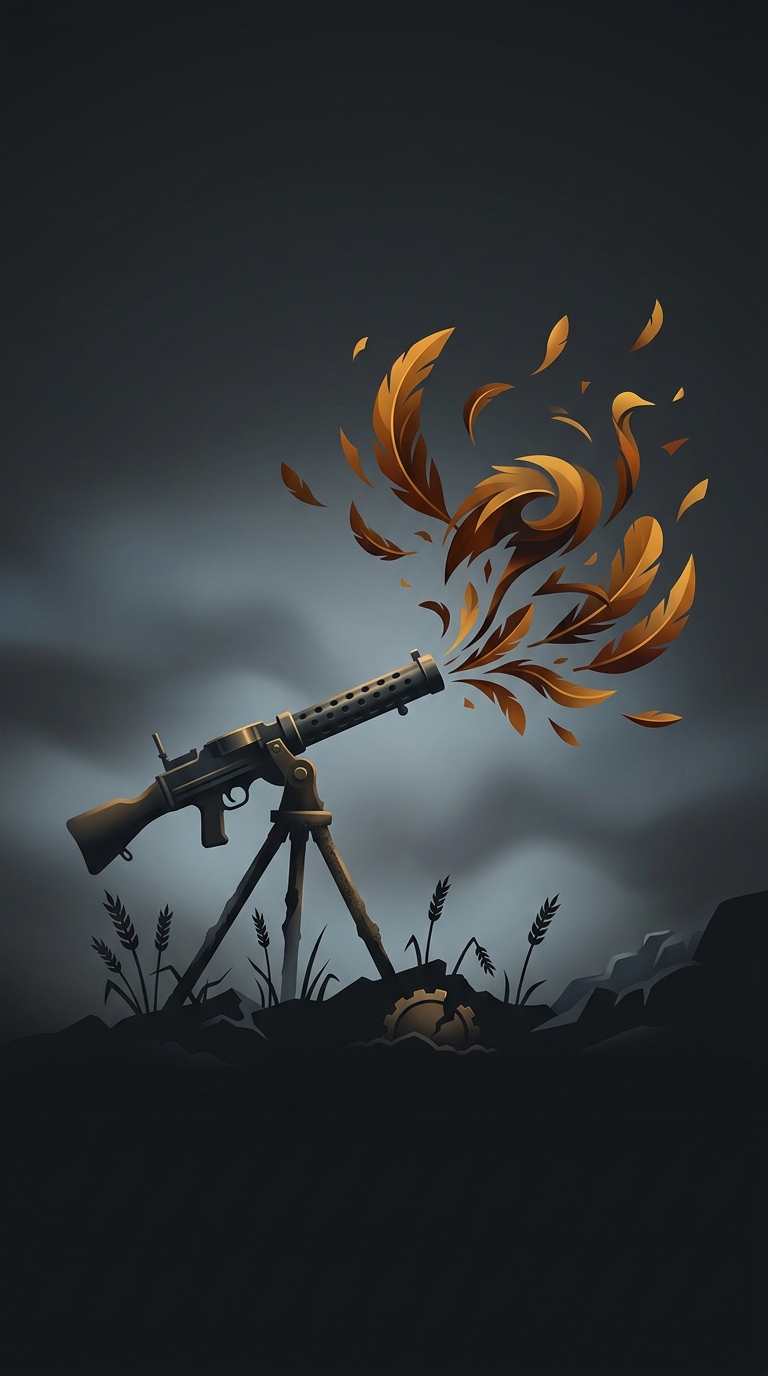
A farm crisis met a military-style response
In 1932, emus moving through Western Australia’s wheat country damaged crops and worsened an already painful problem for farmers during the Great Depression. Wheat was their income; birds feeding or trampling fields could turn a thin harvest into an even smaller one. The government sent soldiers armed with Lewis machine guns and ammunition, in what became known as the “Emu War.”
The response treated the problem as if it were a matter of hitting a visible target. But the economic damage came from birds spread across farmland, not from a single flock gathered in one place. A machine gun could fire rapidly, yet that advantage mattered only if soldiers could get close enough to a group and keep it within range.
Why firepower did not fix the problem
Emus were difficult targets in open country. When startled, they could scatter, and their speed and movement made it hard for soldiers to line up a useful shot. The birds did not need to defeat the soldiers; they only had to avoid being concentrated where the weapons could be effective. Ammunition and effort could be spent without removing the broader threat to crops.
That was the mismatch at the heart of the operation: military weapons were built to engage targets, while the farmers’ problem was ongoing damage across a large area. The soldiers eventually withdrew, and the emus remained a concern. The episode is remembered for its comic contrast, but its economic lesson is sharper: force aimed at a scattered problem can make a dramatic response without protecting the people who bear the loss.