Why a library gets its own code
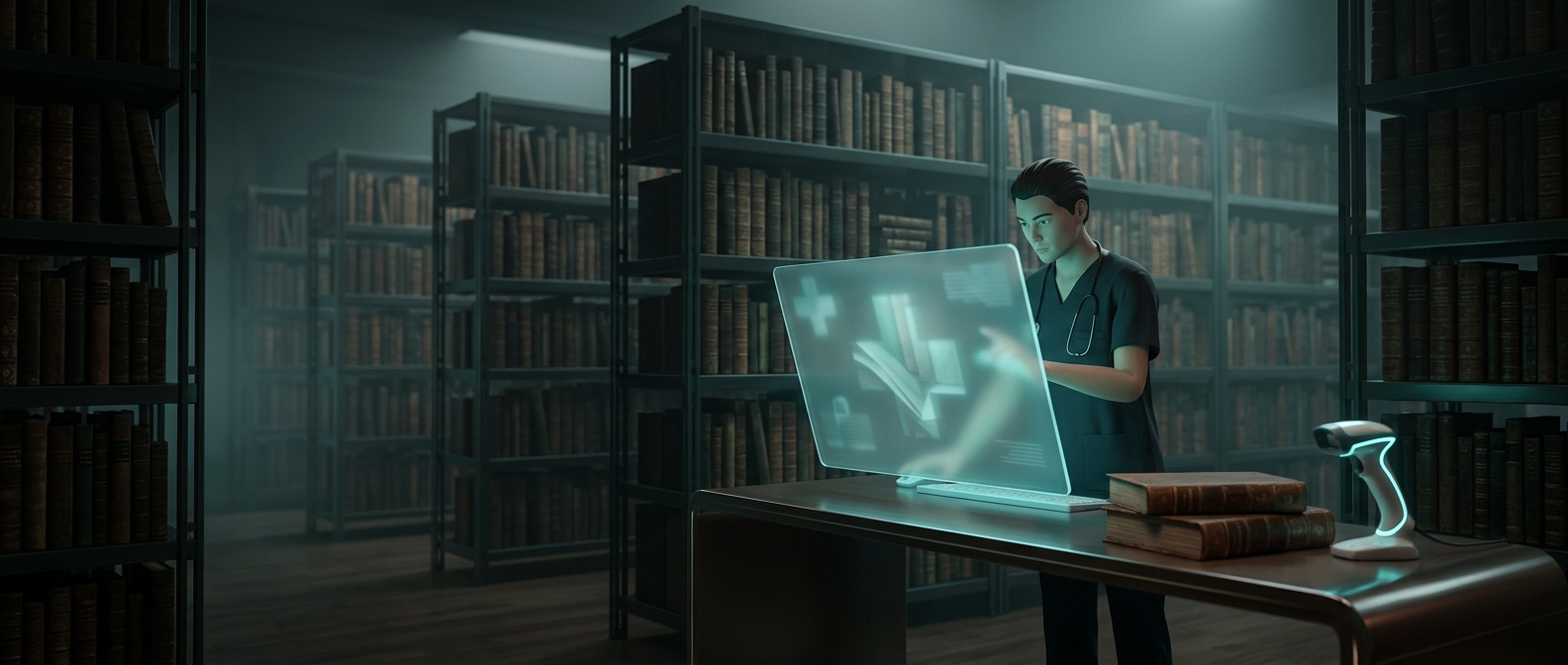
An injury diagnosis tells clinicians what happened to the body: a sprain, a cut, or a concussion. It does not necessarily say where the incident occurred. In medical coding, Y92.241 identifies a library as the place where an accident happened. It is a location code, not a diagnosis and not a description of how the injury occurred.
A small detail in a larger record
Codes like this belong to a broader system for recording the circumstances around an injury. A clinician or medical coder can pair the place code with information about the injury itself and, where documented, what caused it. That separates three useful questions: what was hurt, how the event happened, and where it took place.
The location is not just decorative detail. Recorded consistently, it can help make patterns visible across cases—for example, whether incidents are clustering in a particular kind of setting. A single library code does not explain an accident or prove that a place is unsafe; it gives the record a standardized way to say where it occurred.
Quiet places are still real-world settings
A library may suggest stillness, but people move through its rooms, climb stairs, carry books, and use furniture and equipment. The code reflects a practical point about injury records: the setting can matter even when the place is not usually associated with danger. A sprain diagnosed in a clinic may look the same on paper whether it happened at home or between library shelves; the location code preserves that missing piece.