Why Mystics See the Small in the Vast
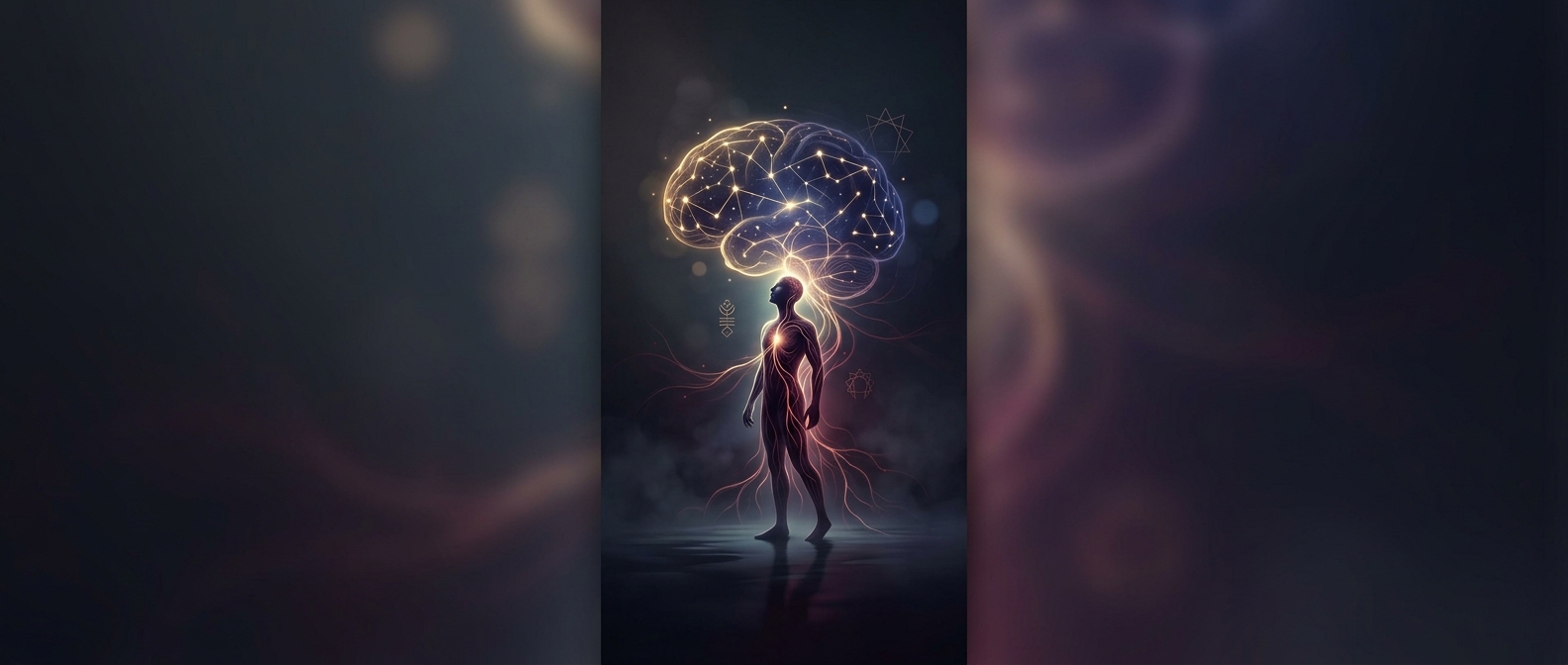
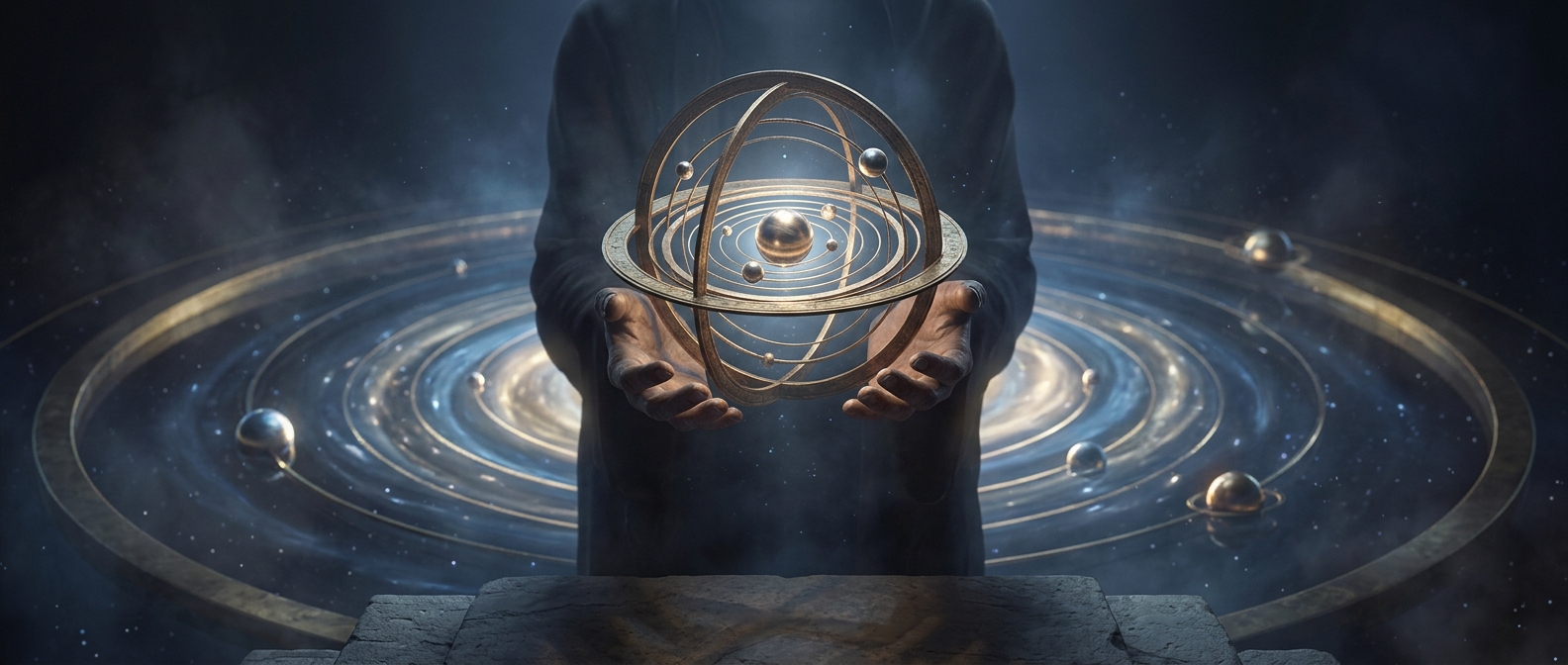
The microcosm–macrocosm idea treats a small part of reality as a reflection of the whole. A drop of water and an ocean are not identical, but both display water’s capacity to flow, gather, and change form. Mystical traditions use this kind of resemblance to suggest that close attention to one thing can illuminate patterns in existence more broadly.
A Way of Reading, Not a Scale Model
The claim is usually symbolic rather than a literal rule that every small system reproduces every feature of a larger one. A person, a family, or a natural object may be understood as carrying traces of wider patterns: change, dependence, order, or decay. The small becomes a lens for contemplating the large.
That lens can make an abstract question feel immediate. Instead of trying to grasp “the universe” all at once, a person studies something near at hand and asks what its relationships or transformations might suggest. The meaning comes from interpretation; it is not proof that the same mechanism operates at every scale.
What the Analogy Makes Possible
The idea encourages attention to particulars. A single drop cannot tell someone everything about an ocean, but it can prompt reflection on qualities they associate with both. The part matters because it offers a human-sized entry point into what feels too vast to comprehend directly. That is why the image is memorable: the ocean remains immense, yet a small thing in the palm can become a way of thinking about it.