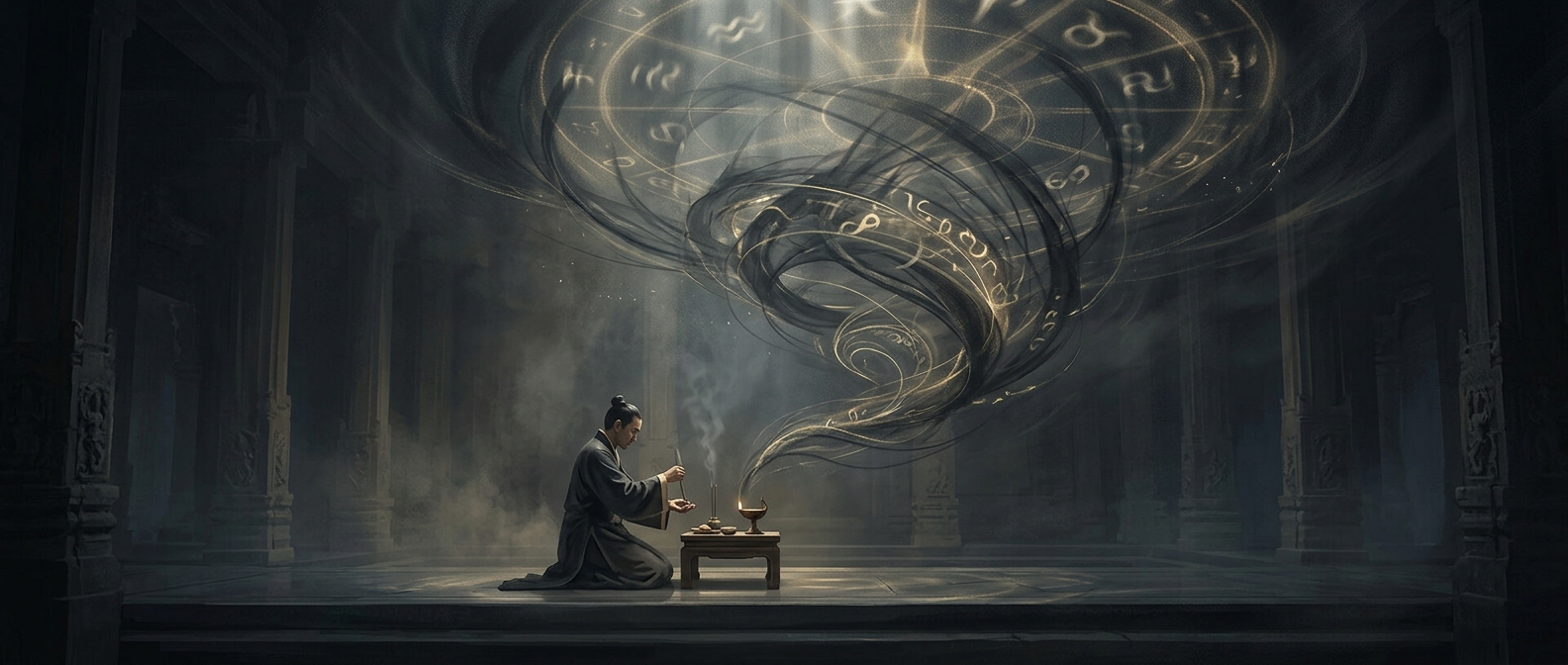
Karma is a chain of causes, not a cosmic scoreboard
The Sanskrit word karma means “action,” but in Indian religious traditions it also names the consequences actions set in motion. The idea is not that every kind deed earns an immediate reward or every harmful act brings instant punishment. Instead, actions—especially intentional ones—help shape what a person becomes and the circumstances they may encounter later.
That makes karma less like a judge keeping score and more like a process unfolding over time. Repeated choices can strengthen habits: acting with anger, for example, can make anger easier to return to, while generosity can cultivate a readiness to give. In traditions that teach rebirth, karmic consequences may extend beyond one lifetime, helping shape the conditions of a future one.
Different traditions explain the process differently
“Karma” is not a single doctrine shared identically across Hinduism, Buddhism, and Jainism. They differ in how they describe the self, rebirth, and the way actions carry consequences. In Buddhism, for instance, intention is central to karma; the teaching does not require an unchanging soul traveling from one life to another. Jain traditions give karma a distinct account, treating it as a subtle material burden bound to the soul.
These differences matter because karma is not simply a claim that people deserve whatever happens to them. Its practical emphasis is on how conduct matters: choices can shape patterns and future conditions, even when their effects are not immediate or visible. A small decision, repeated over time, can become part of the circumstances a person later has to live with.