Bardo Means More Than the Time After Death
In Tibetan Buddhist teachings, bardo means an intermediate state or interval. It is often used for the period between death and rebirth, but the idea is broader: teachings also describe transitions during life, such as dreaming or the process of dying, as bardos. The word points to a moment when one state has ended and another has not yet taken hold.
Why Visions Matter in the Teaching
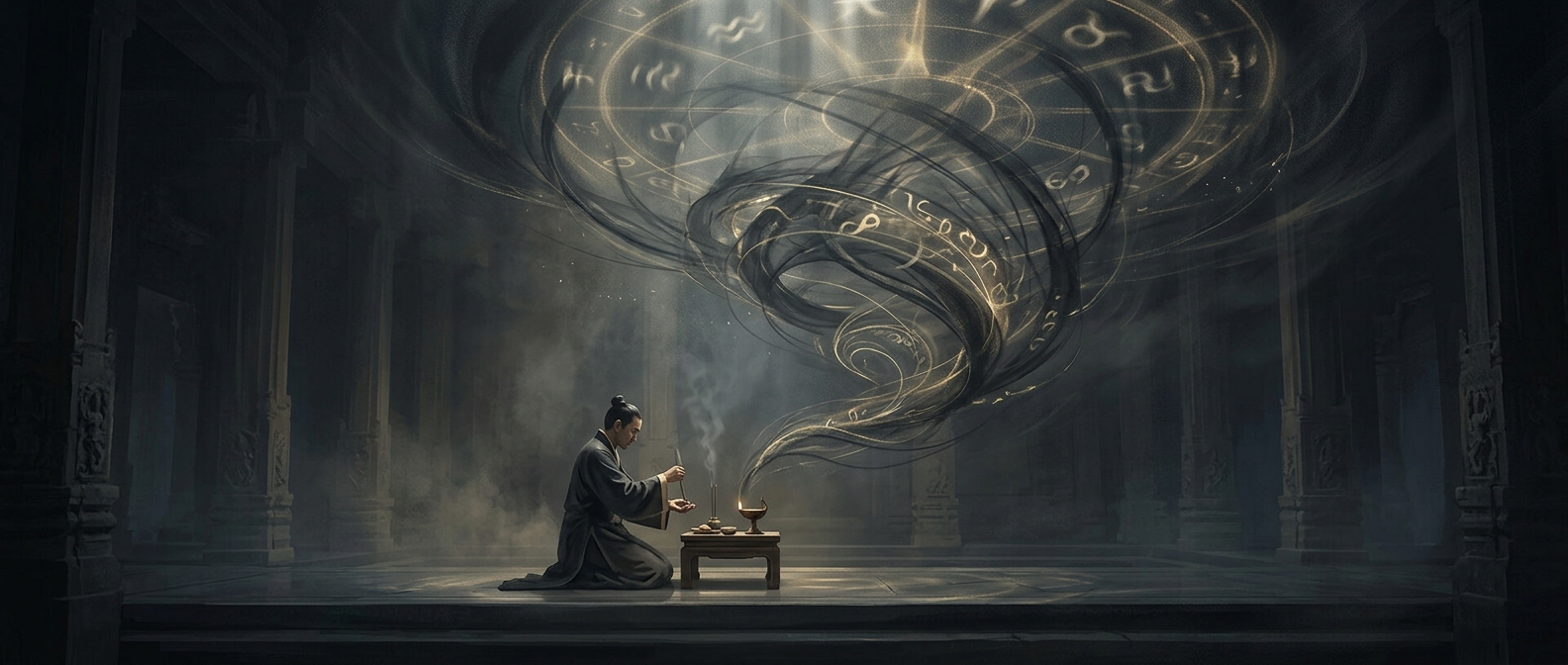
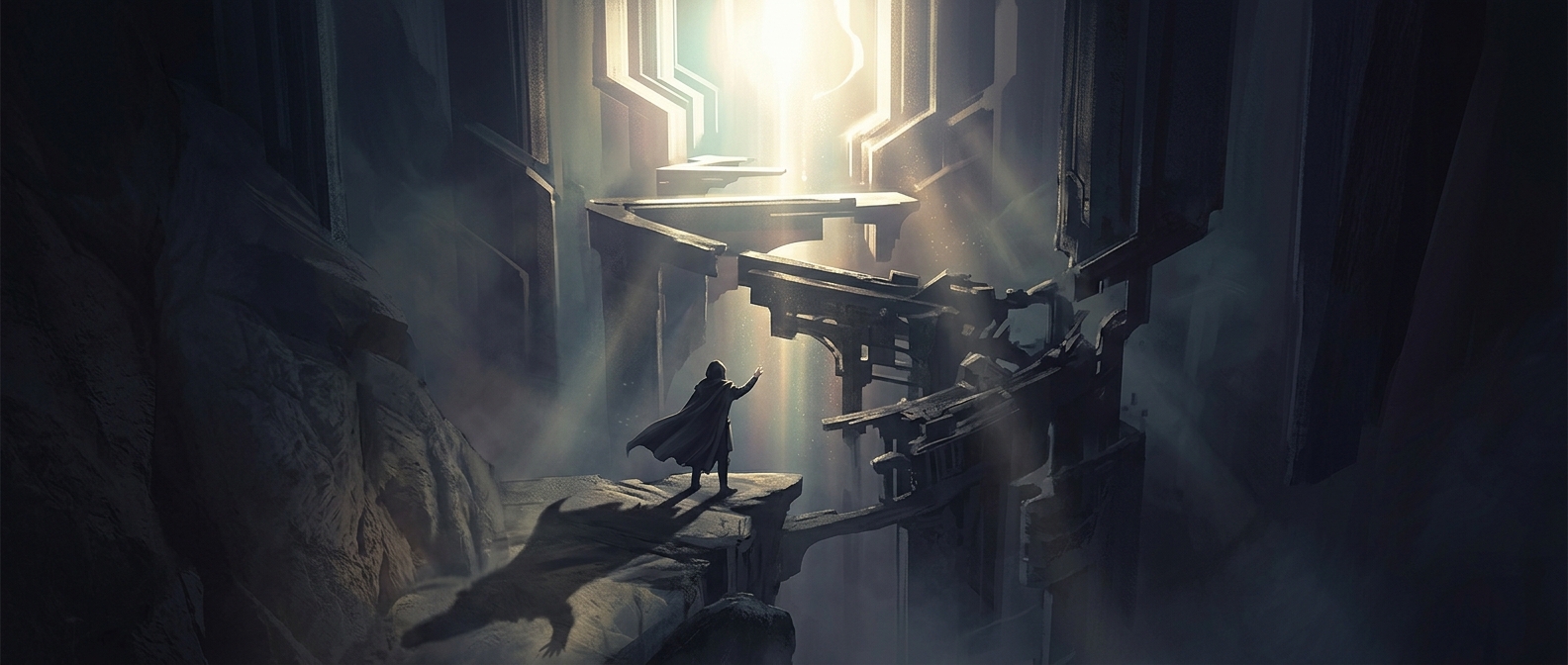
In accounts of the after-death bardo, a person may encounter vivid, sometimes frightening appearances. These are traditionally understood not as ordinary physical events but as manifestations of the mind. The key teaching is that fear can make such appearances seem solid and threatening, while recognizing their nature may loosen their grip.
That recognition is spiritually significant. Tibetan Buddhist texts describe the bardo as a chance for liberation: if awareness can remain clear and recognize what is appearing, rebirth may be avoided. If confusion and attachment prevail, the being is said to move toward another life. This is a religious account of consciousness and rebirth, not a claim established by scientific observation.
A Transition, Not Just a Waiting Room
The bardo is therefore not simply imagined as empty time between two lives. It is portrayed as an active passage in which perception, fear, and understanding matter. The unsettling visions are central to the teaching because they dramatize its practical point: how one responds to an experience can shape what follows.