Why contemplation can outrank action
In some mystical and philosophical traditions, life is described through two Greek terms: praxis, meaning practical action, and theoria, meaning contemplative attention. The contrast is not simply between being busy and doing nothing. Praxis includes the work of living—care, duties, ethical choices—while theoria aims to attend steadily to what a tradition regards as deepest or most real, often the divine.
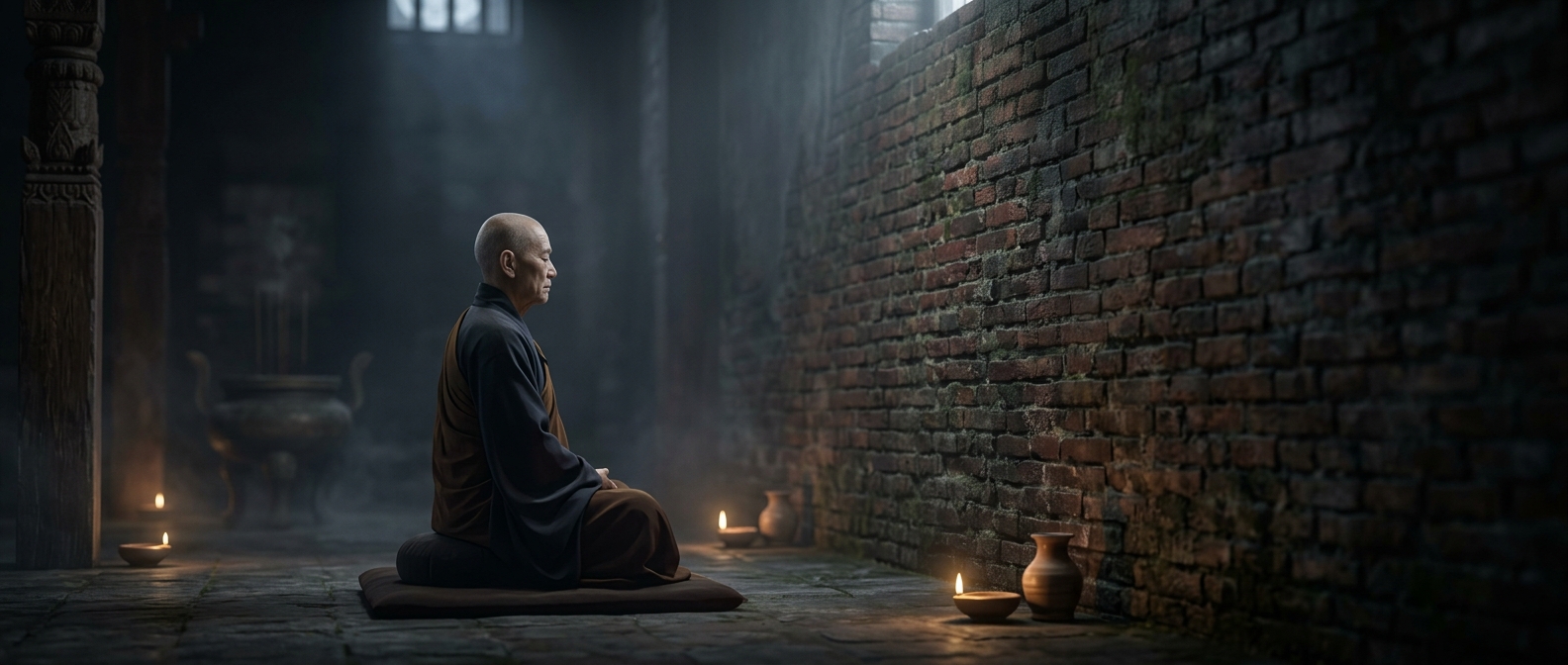
When contemplation is treated as superior, the reasoning is that action changes circumstances, but contemplation seeks understanding that is not limited to any one task. A person may finish a chore and move on; contemplative attention tries to quiet that succession of demands and remain with its object. Stillness, in this view, is valuable because it makes sustained attention possible.
Stillness is a discipline, not an escape
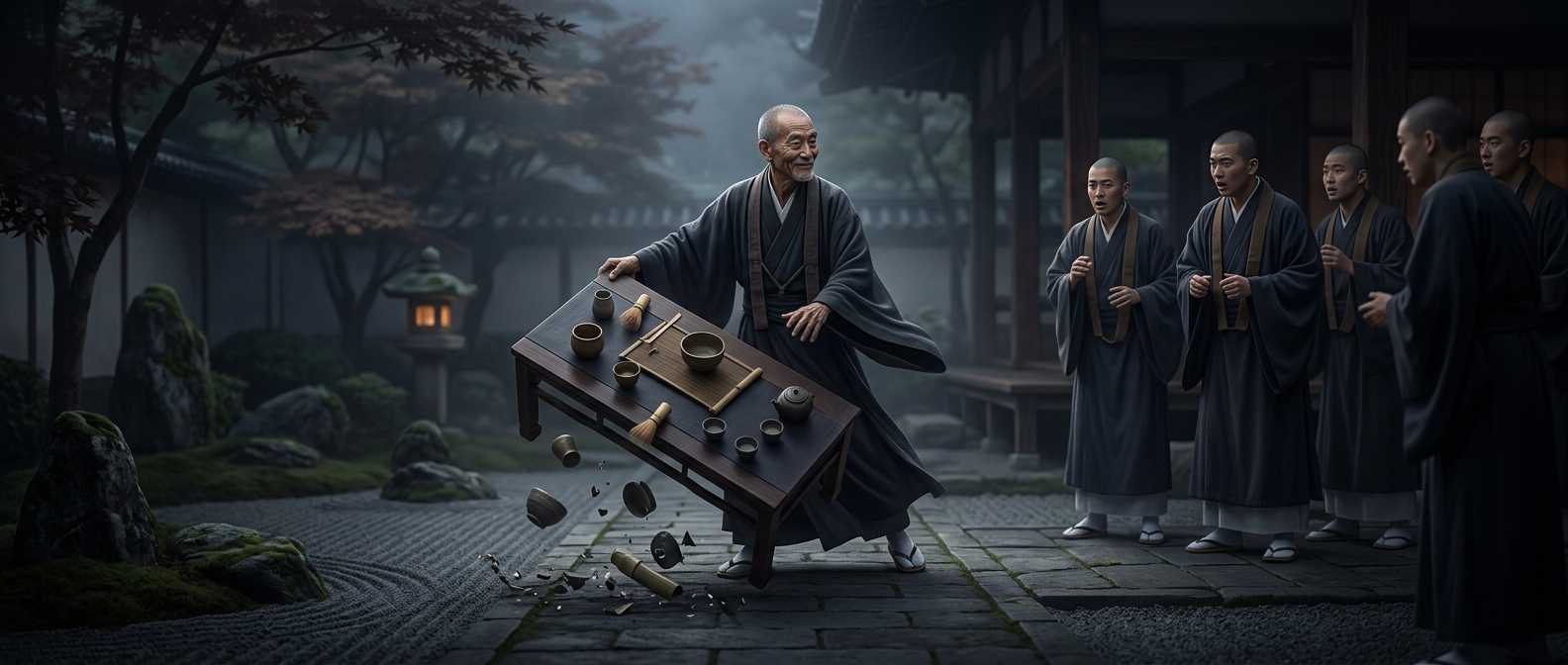
That hierarchy does not necessarily make ordinary work worthless. Practical action can be understood as preparation: fulfilling responsibilities and ordering one’s conduct may help make a quieter, more focused life possible. Nor does every tradition rank the two in the same way; the distinction is a framework some traditions use, not a universal rule about spiritual life.
The result is a different measure of a worthwhile day. Getting things done may matter, but it is not always treated as the highest aim. A moment spent attending carefully, without rushing toward the next task, can count as more than empty time—it can be the central practice.