A Rodeo Bull’s Second Career Is in Its Genes
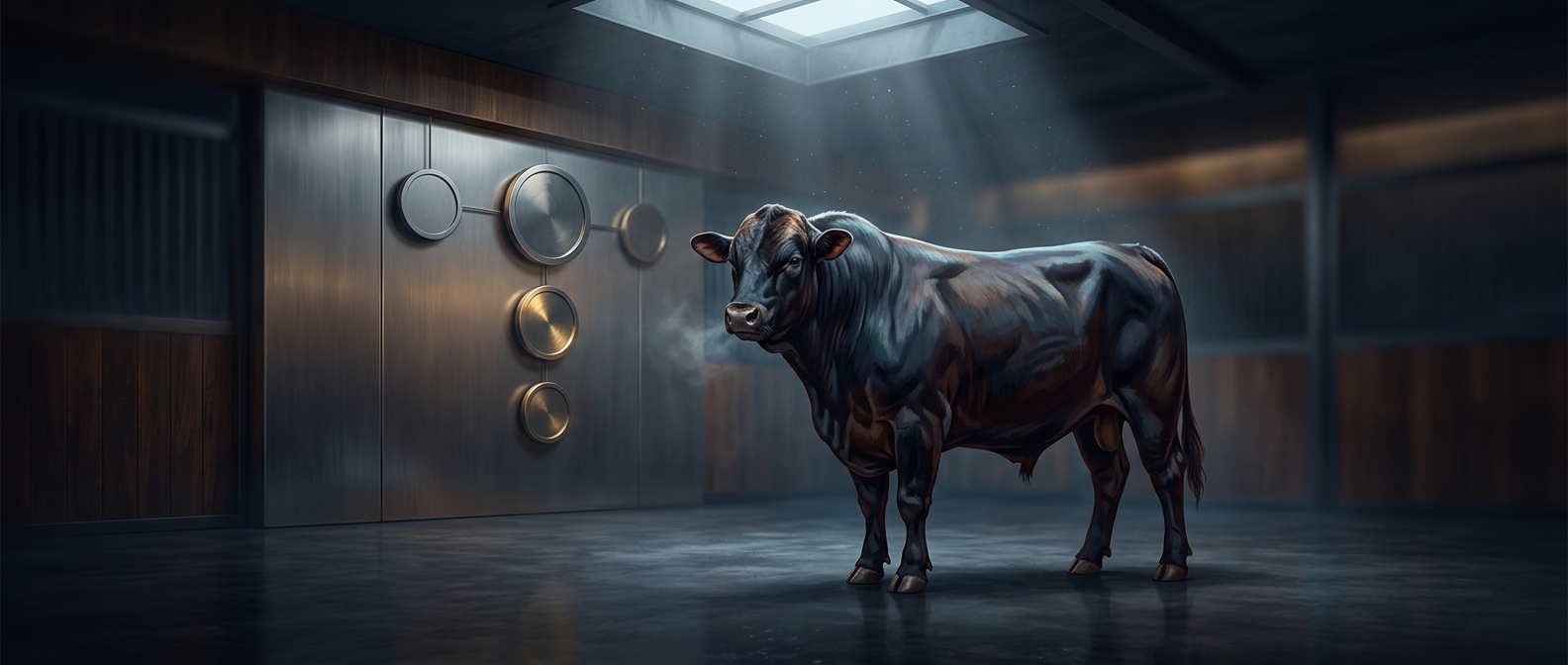
A top bucking bull can remain valuable after it stops competing because breeders may want its offspring. The business rests on a useful distinction: a bull’s arena reputation is evidence of performance, while breeding offers a chance to pass along traits associated with that performance.
Bucking bulls are not simply wild animals reacting at random. Their athleticism, strength, balance, and tendency to resist a rider all help shape how they perform. Those characteristics are influenced by genetics as well as upbringing and handling, so a celebrated bull is not a guarantee of a champion calf. But a proven performer can make an appealing breeding prospect to people hoping to improve their odds.
Reputation Becomes a Marketable Asset
Instead of entering the arena again, a bull may be used to produce breeding material that can be sold to breeders. This lets an owner earn from the animal’s lineage while avoiding the risks and demands of continued competition. Buyers, meanwhile, are paying for potential—not a promise that a calf will become a star.
That uncertainty is part of the economics. The bull’s fame can increase interest in its offspring, but the young animals still have to grow, be assessed, and prove themselves. If one develops into a standout, that success can further raise the value of the family line and attract more buyers.
The arena may make a bull famous, but the longer-lasting business can happen off the dirt: each sale gives breeders another chance to turn a celebrated animal’s traits—and reputation—into the next generation’s opportunity.