Why a Pill Bottle Is Made from HDPE
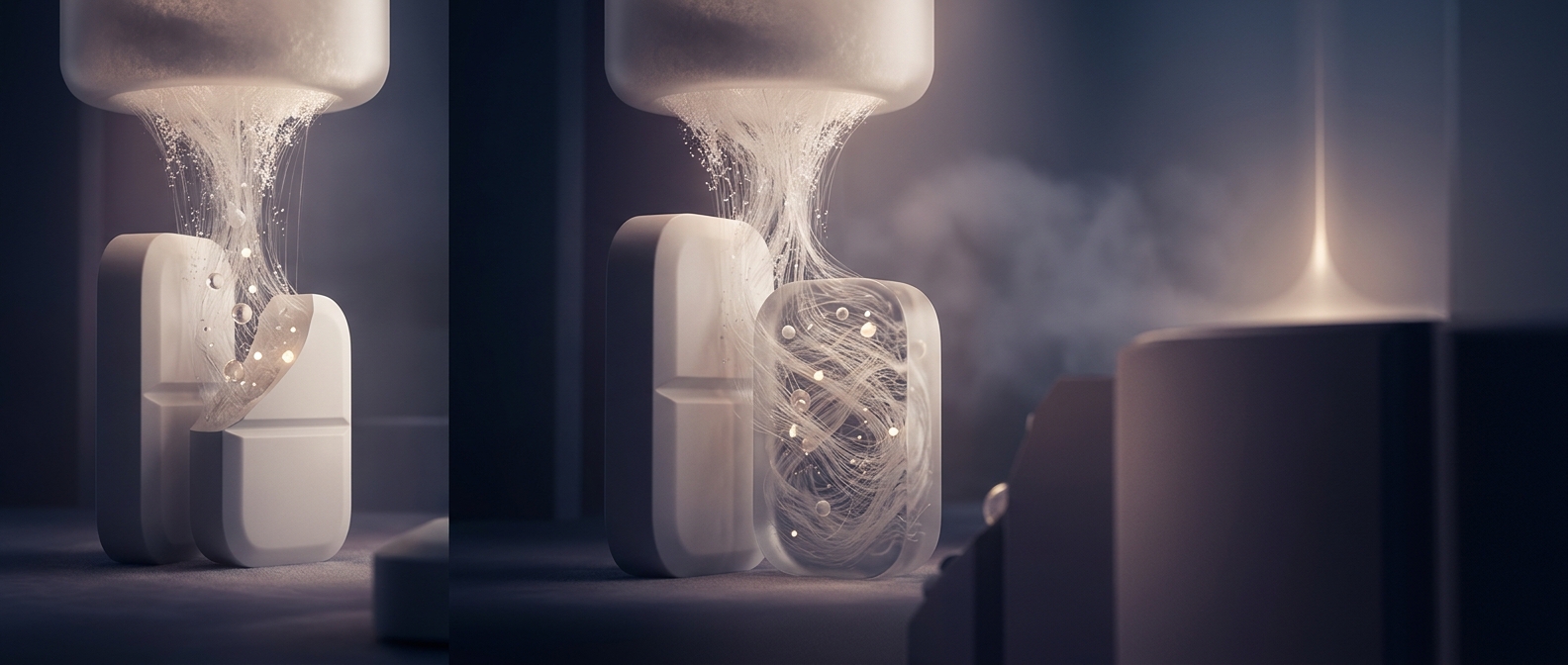
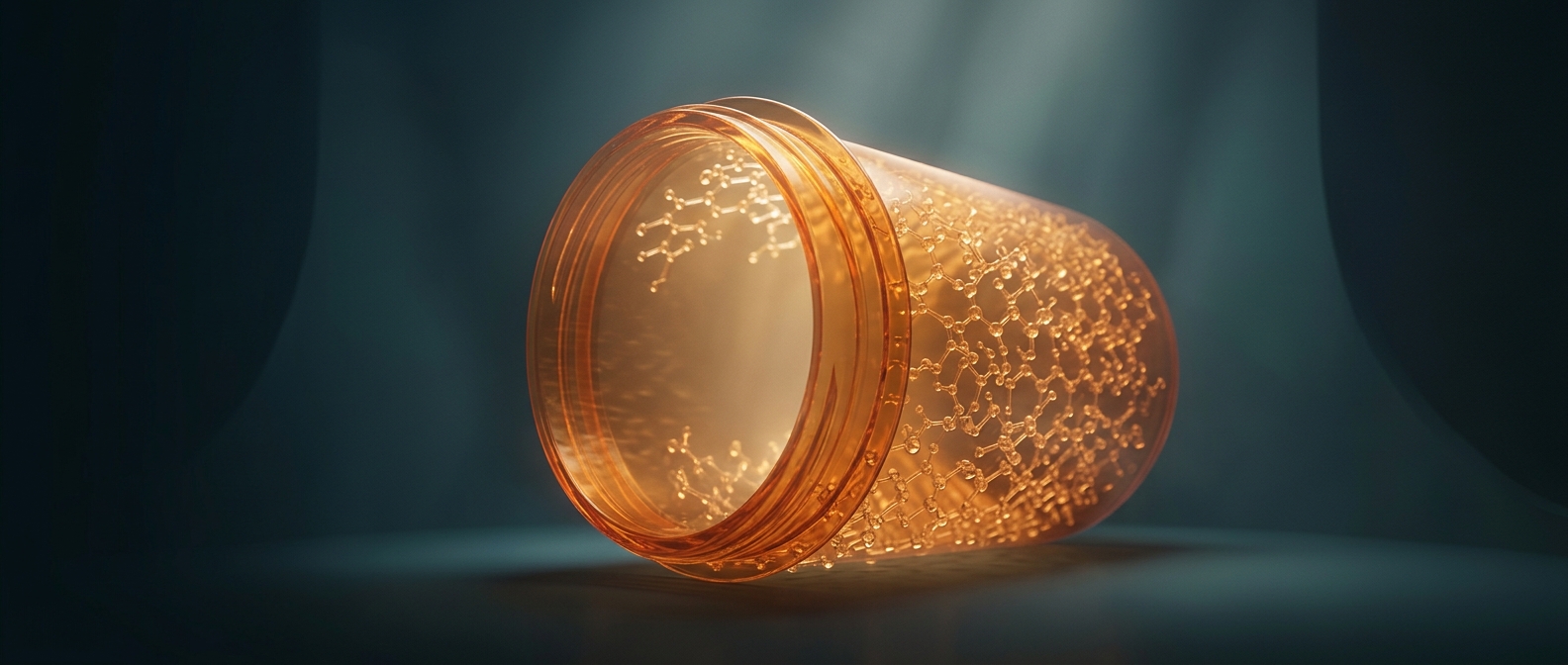
High-density polyethylene, or HDPE, is a plastic made of long, tightly packed molecular chains. That structure makes it sturdy and relatively resistant to water vapor and gases moving through the bottle wall. It does not make the container airtight, but it can slow the exchange enough to help limit exposure during storage.
The Bottle Is Part of a Packaging System
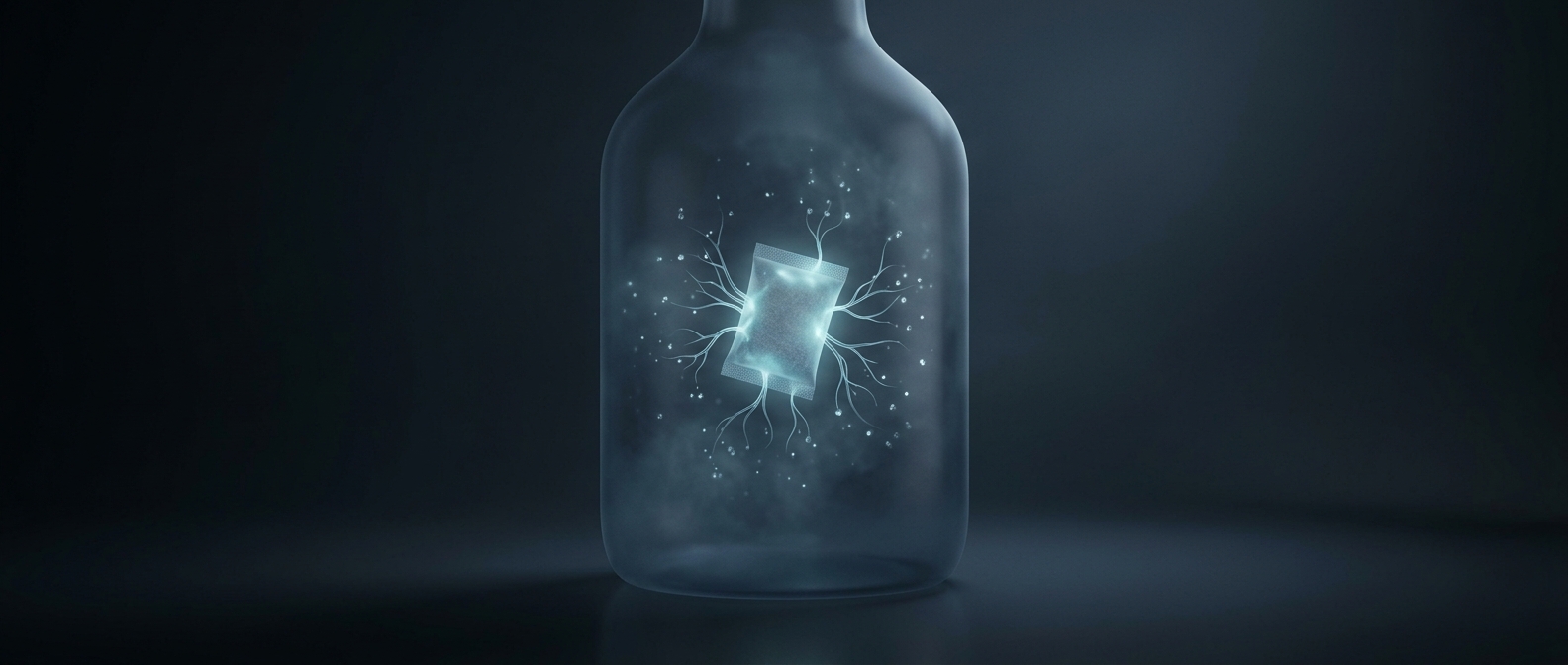
A tablet’s protection depends on more than the plastic. The cap and its liner or seal matter because moisture can enter through a poor closure even when the bottle wall performs well. Some medicines also need additional protection, such as a desiccant—a small packet or canister that absorbs moisture—or packaging designed to block light.
HDPE is useful for everyday pill containers because it is lightweight, tough, and can be molded into bottles in many shapes and sizes. Those qualities help the container survive handling and shipping without adding much weight. The choice still has to suit the particular medicine: a drug’s sensitivity to moisture, oxygen, or light determines what level of protection its packaging needs.
What the Plastic Can—and Can’t—Do
A bottle slows environmental exposure; it does not stop it indefinitely. Keeping the cap tightly closed and following the storage directions helps preserve the conditions the packaging is meant to provide. The practical result is that the plastic bottle, its closure, and any added protective materials work together to keep a medicine usable through ordinary storage and handling.