How checkers was solved without trying every game
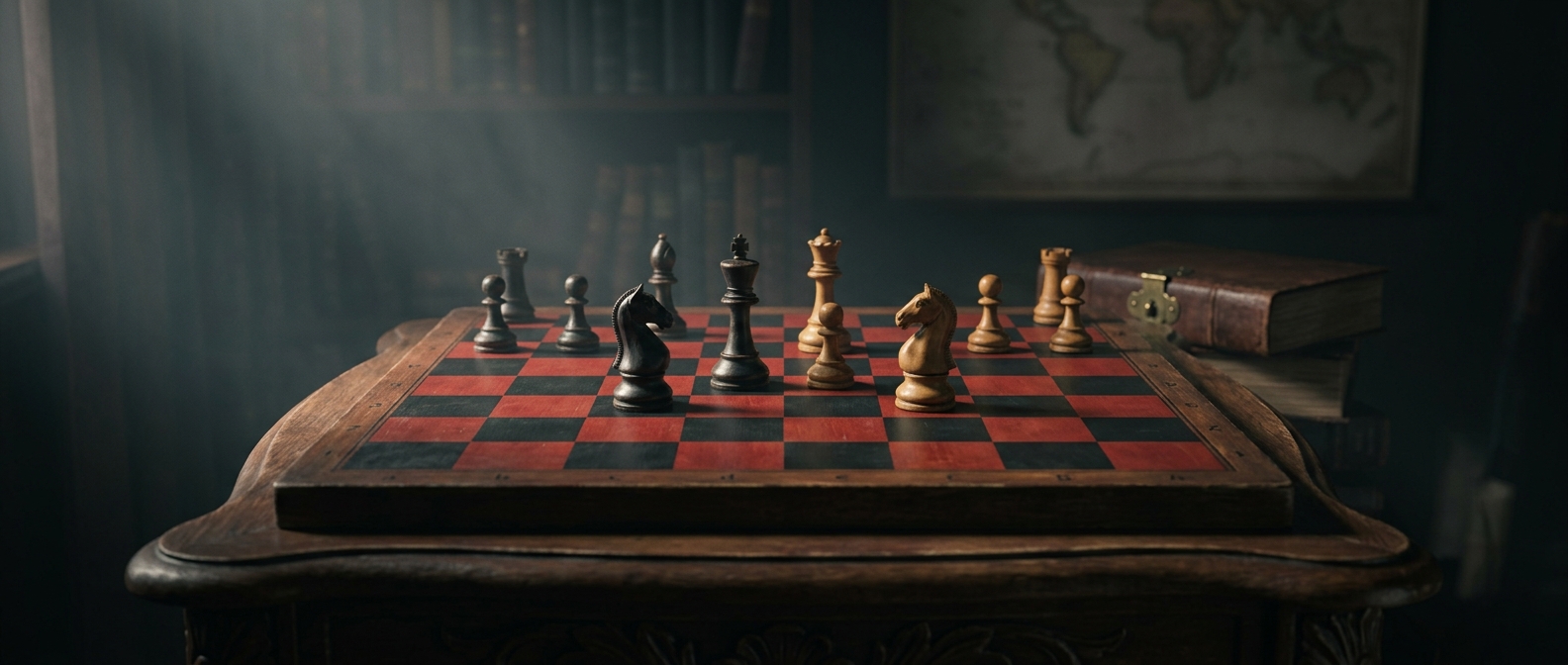
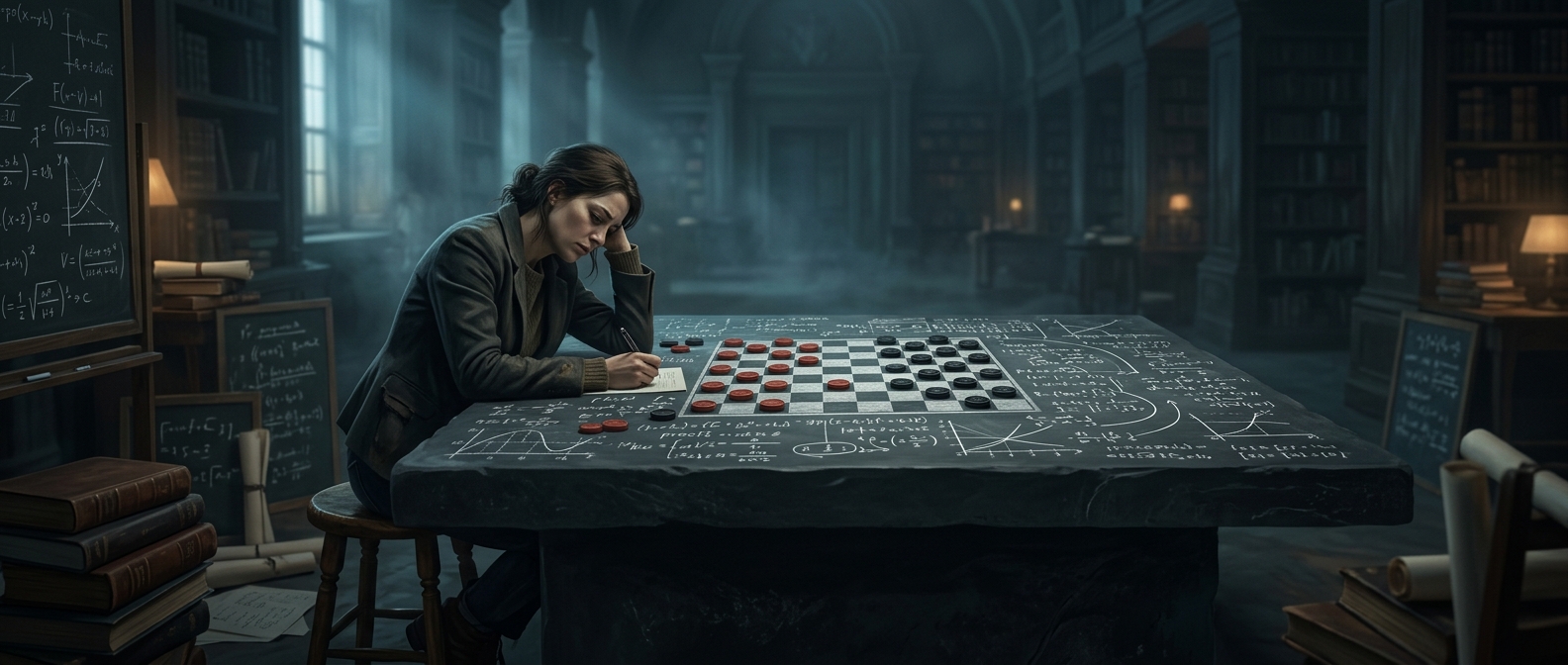
Checkers looks simple: each player moves pieces across an 8-by-8 board, and a piece can jump an opponent’s piece to capture it. But a game can branch into many different move sequences. The number of possible board positions is so large that checking them one by one would be impractical.
The computer program Chinook, developed at the University of Alberta, set out to determine the result of checkers when both players choose the best possible moves. That kind of result is called a solution: it tells whether perfect play leads to a win, a loss, or a draw from a given position. In 2007, after work spanning nearly two decades, Chinook established that the standard game is a draw with perfect play.
The shortcut was to rule out whole families of play
Chinook did not need to store every conceivable full game. It searched forward through possible moves, but cut off branches that could not improve on a better option already found. It also used stored results for positions near the end of a game, where only a few pieces remain. Those known endings let the program evaluate much larger sequences without calculating every move from scratch.
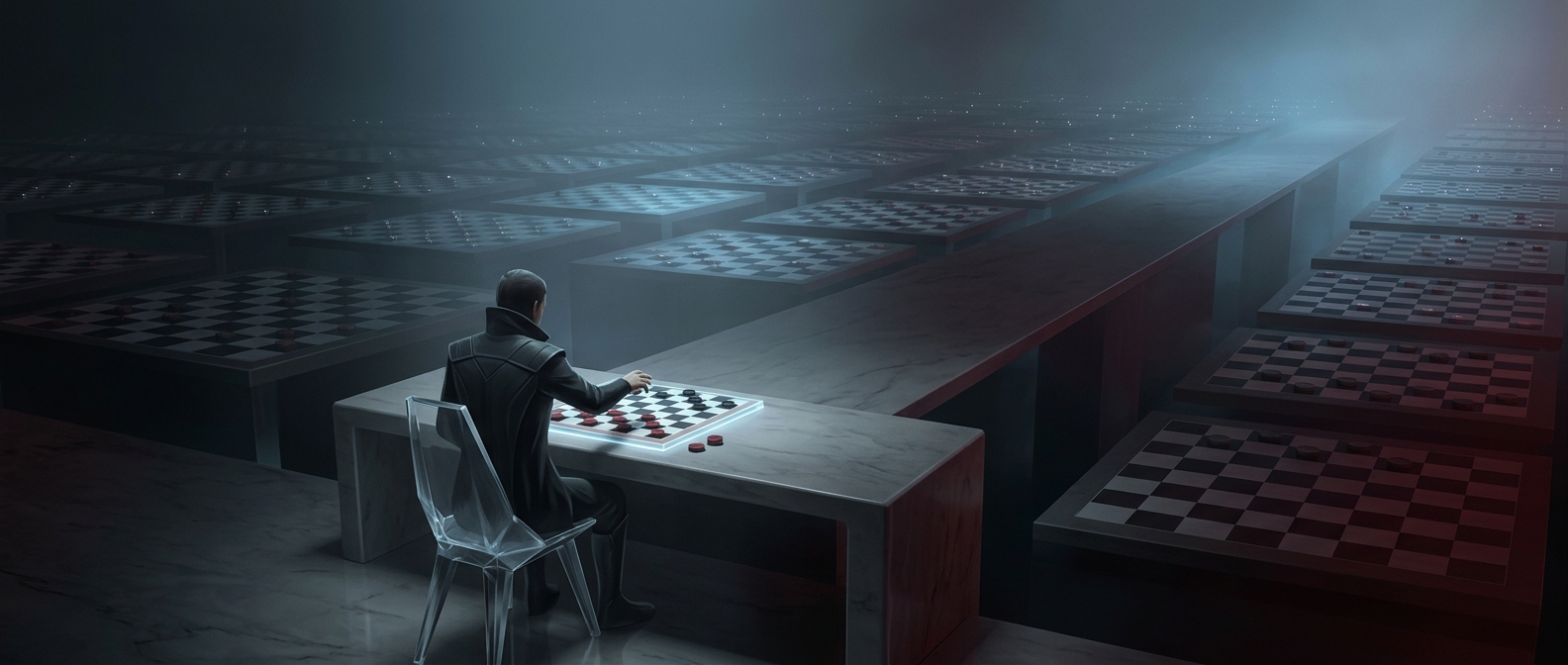
This is similar to solving a maze by recognizing that many routes lead to the same junction: once a position’s outcome is known, the computer can reuse that result instead of repeating the work. The hard part was building and checking enough of this map to cover every position that could matter under perfect play.
A draw does not mean every game ends that way
Human players still make mistakes, so ordinary checkers games can end in wins. The result means that neither side can force a win against an opponent who always responds optimally. A familiar children’s game thus has a surprisingly precise limit: however many tactical twists a match may contain, perfect play cannot push it beyond a draw.