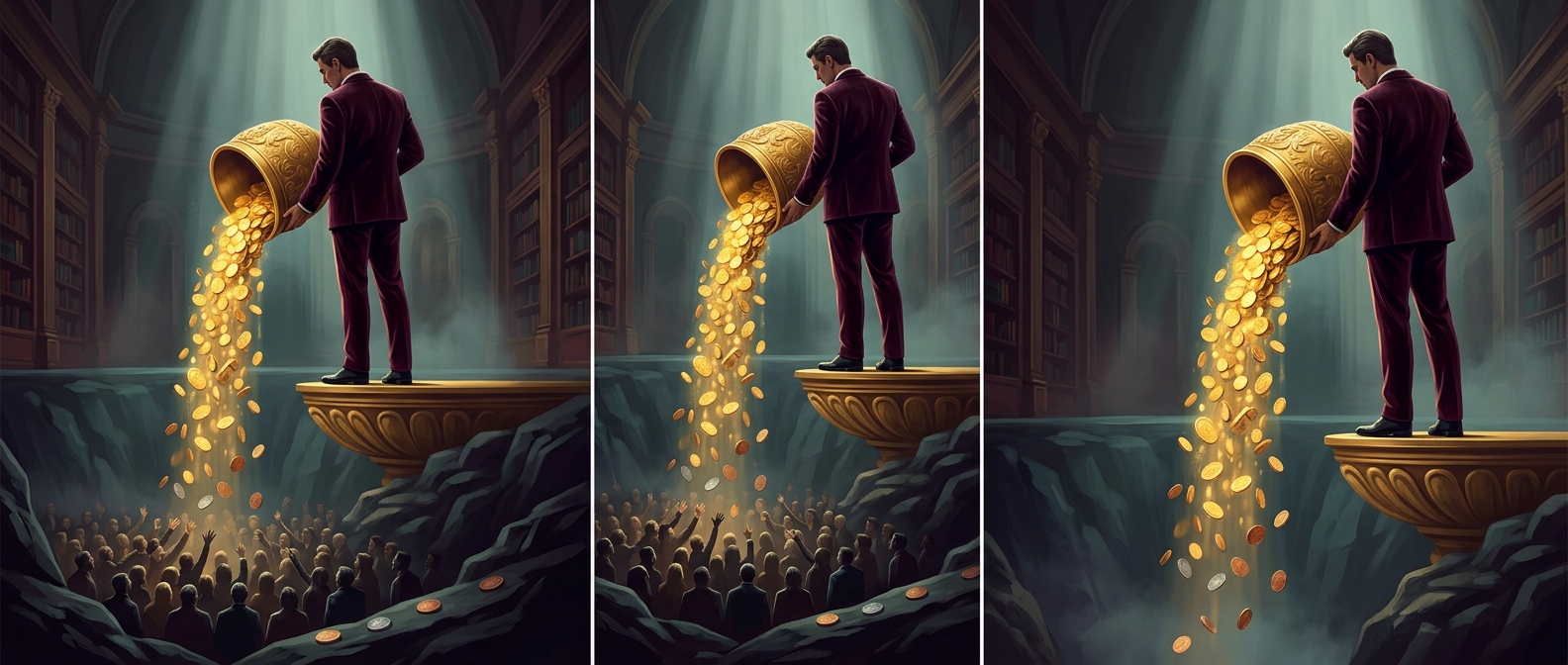
Why Psyche’s metal would not sell at today’s price
A quoted “value” for an asteroid usually treats its metal as though it could be sold in small amounts at current market prices. That calculation can be useful for imagining the scale of the material, but it skips the step that determines what buyers would actually pay: how much usable metal reaches the market, and how quickly.
Metals prices are shaped by supply and demand. If mining Psyche added a large flow of a particular metal, buyers would not necessarily keep paying the old price. Lower-cost alternatives might become less attractive, manufacturers could use more, and producers on Earth could cut output. The market would adjust, often pushing the price down before every last ton could be sold. A resource’s theoretical value is therefore not the same as the revenue its owner could collect.
Getting the metal to buyers is part of the price
Space mining would also have to turn raw material into something customers can use. That means extracting and processing it, then transporting it to a place where it can be sold. Equipment, energy, time, and transport capacity all impose costs; the relevant question is whether the sale price covers them.
The economics would depend on a workable pace of delivery and on buyers’ ability to absorb the added supply. A small, steady stream might fit into existing demand better than a sudden flood, but even then, the delivered metal would compete with terrestrial sources. Psyche’s striking implication is not a ready-made fortune: it is that abundance has value only when extraction, delivery, and demand line up.