When a Ritual Candle Becomes an Object to Keep
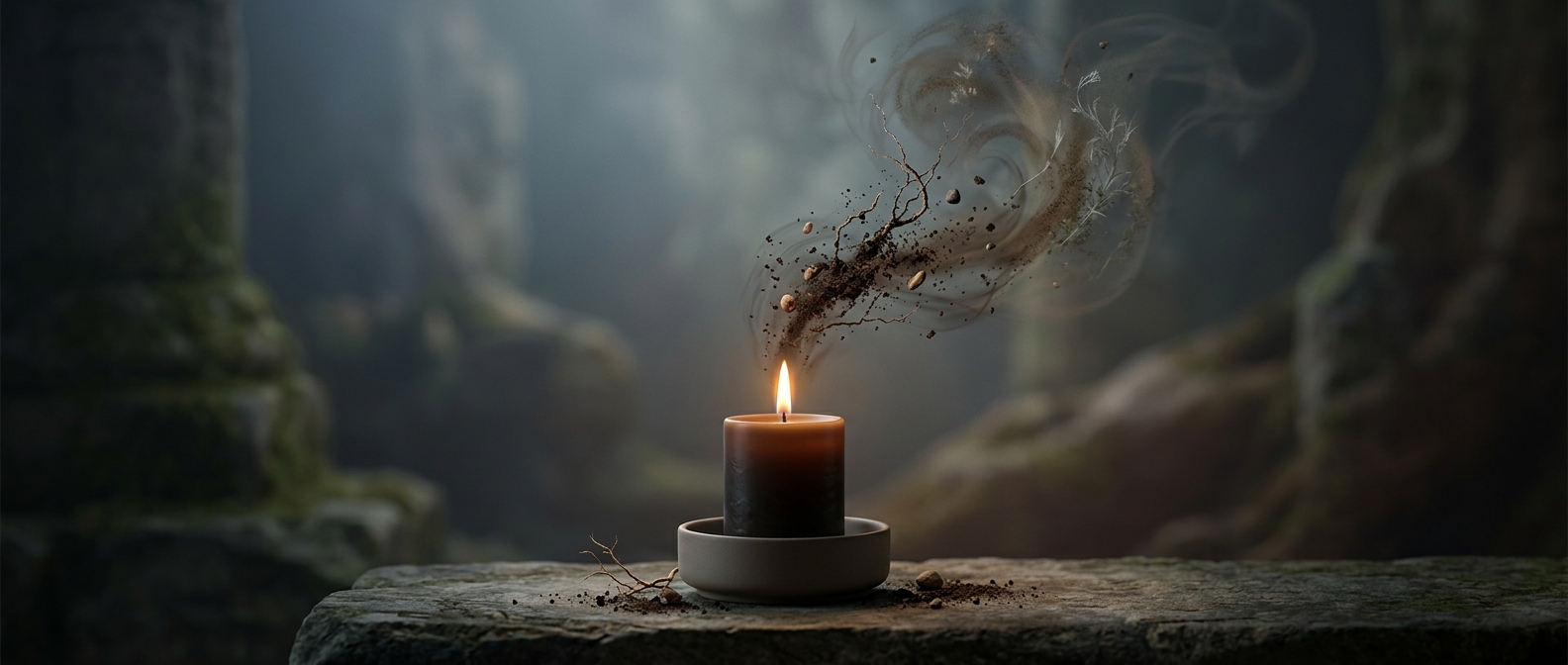
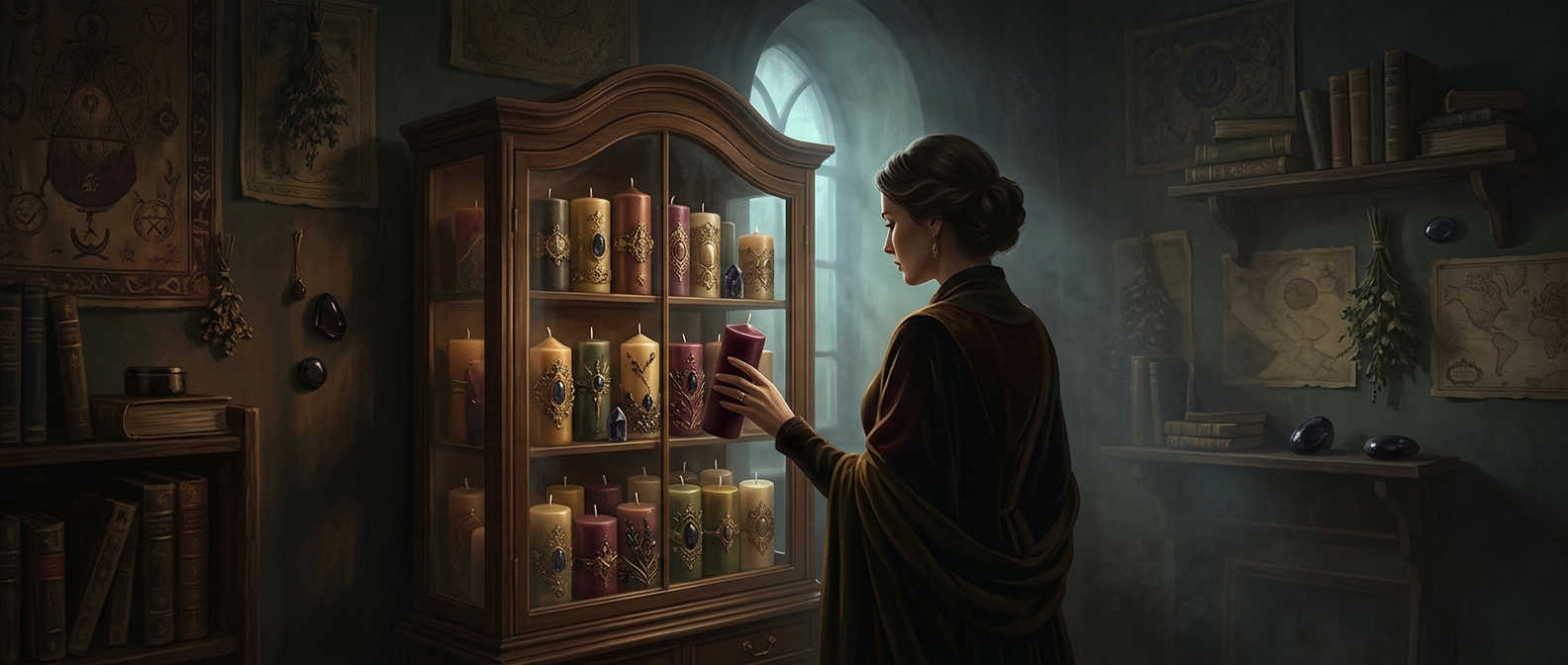
A candle is usually understood through what it does: it burns, gives light, and eventually disappears. But an intricate, richly colored candle can also be valued as a made object. Its carved surface, layered colors, or carefully shaped form may be part of what makes it meaningful to its owner—not merely decoration waiting to be consumed.
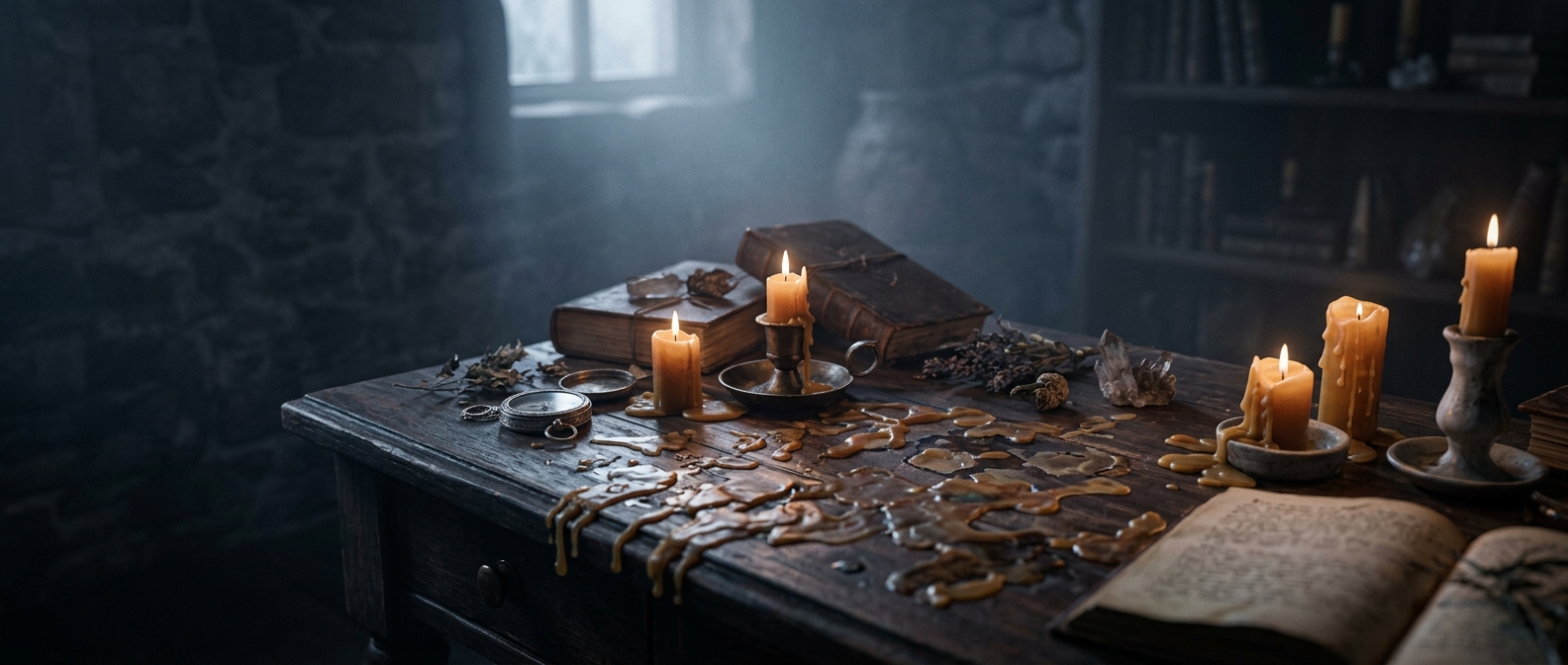
That creates a practical conflict. Lighting the candle would fulfill its ordinary purpose, but flame can soften details, distort the shape, and leave wax behind. Keeping it unlit preserves the work intact. In that sense, the choice resembles saving a beautiful object rather than using it up: its presence matters more than its burn time.
Meaning Without the Flame
For some practitioners, a candle can serve as a visual focus even when it is not lit. Its color and form can help mark a personal space or keep an intention in view; the owner does not necessarily need to destroy the object to value what it represents. That meaning is individual, not a universal rule about ritual candles.
The result is a small reversal of expectation: an object associated with fire is treated almost like a keepsake. The candle remains ready to burn, but its unlit state is itself the point—preserving the very details that make it precious.