Why “forest” candles can smell like soil
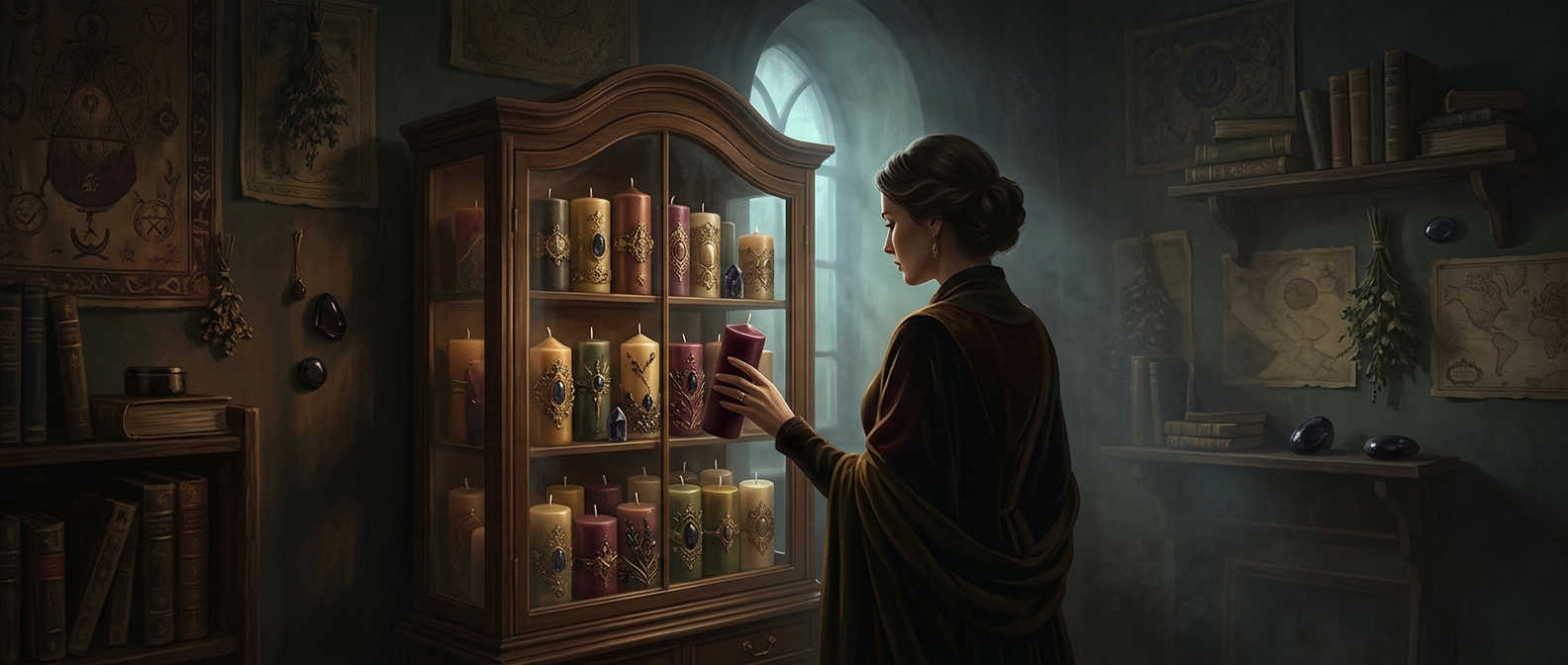
A candle labeled with a landscape is usually built from fragrance notes, not a literal recipe of things found there. Patchouli brings a deep, earthy, sometimes musty character; cedar tends to read as dry wood. Together, those smells can suggest a forest floor, where damp earth and fallen timber mingle—even if the candle contains neither soil nor actual forest material.
“Note” is a fragrance term for a smell people can perceive within a blend. A candle may combine several notes to create an impression, much as a few colors can suggest a whole scene. The label points toward the intended scene; it does not guarantee that every nose will picture the same one.
The nose supplies the rest of the scene
Smell is especially good at triggering associations. An earthy, woody odor may call up wet leaves or a shaded trail for one person, and a basement or old box for another. Those reactions reflect what the scent resembles and the memories attached to it—not a hidden ingredient or a supernatural property.
That is why the same candle can feel atmospheric to one buyer and stubbornly dusty to another. The practical translation of a poetic label may be less “walk through the woods” than wood-and-earth aromas, interpreted through your own experience.