How a Side Character Becomes the Center
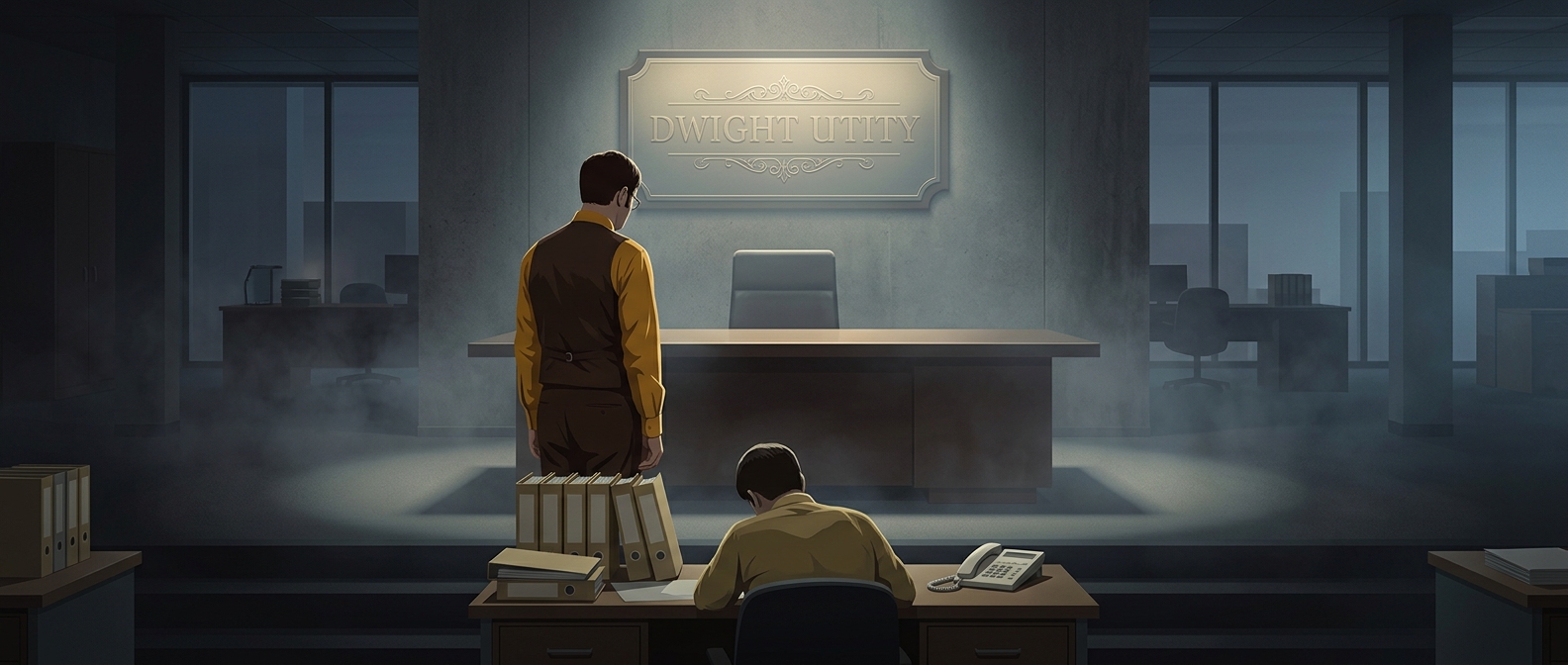
A supporting character is usually written to sharpen someone else’s story: a foil, a source of comic relief, or a familiar face who appears when the plot needs a lift. A spin-off reverses that arrangement. The traits that worked in brief appearances have to generate new situations week after week.
That requires more than giving the character extra screen time. The writers need to discover what the character wants, what gets in the way, and which relationships can keep producing conflict. A joke or eccentric habit may be memorable, but it becomes a series engine only when it leads to choices and consequences.
Familiarity, With Room to Grow
Audiences arrive with a shortcut: they already recognize the character and know the broad shape of their personality. That recognition makes a new show easier to enter. But repeating the original joke indefinitely can make the character feel thin. The spin-off has to preserve the qualities viewers came for while revealing new dimensions—perhaps through a different setting, new responsibilities, or companions who challenge the character in fresh ways.
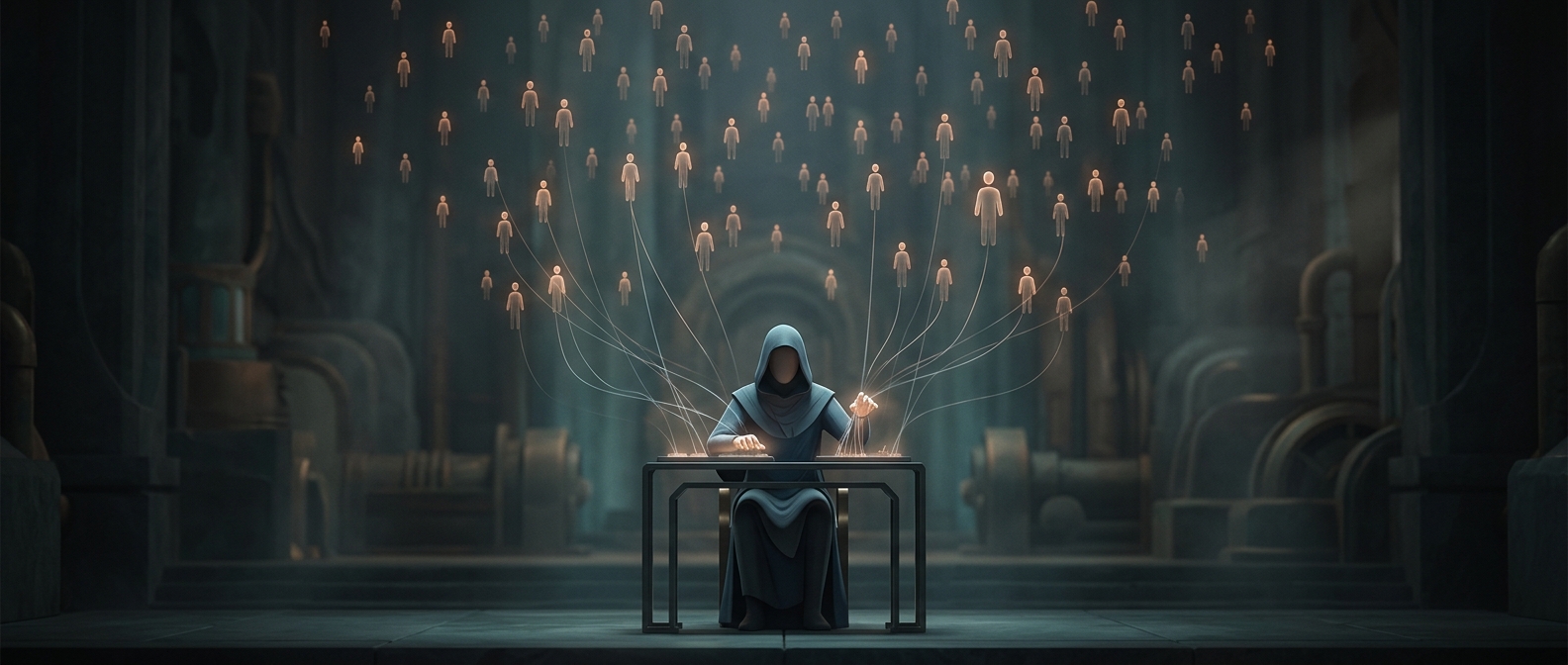
The supporting cast matters for the same reason. A central character cannot plausibly create every conflict alone; other people supply competing goals, misunderstandings, affection, and resistance. Over time, those relationships can become as important as the original character’s comic appeal.
The Long-Term Tradeoff
A decade-long run asks the premise to stretch without losing its identity. The character may change, but not so much that the audience stops recognizing the person who drew them in. The lasting trick is to make an old, familiar trait produce unfamiliar consequences: the same flaw that once earned a laugh can, in a new context, complicate a friendship, a job, or an entire episode.